WINDOWS


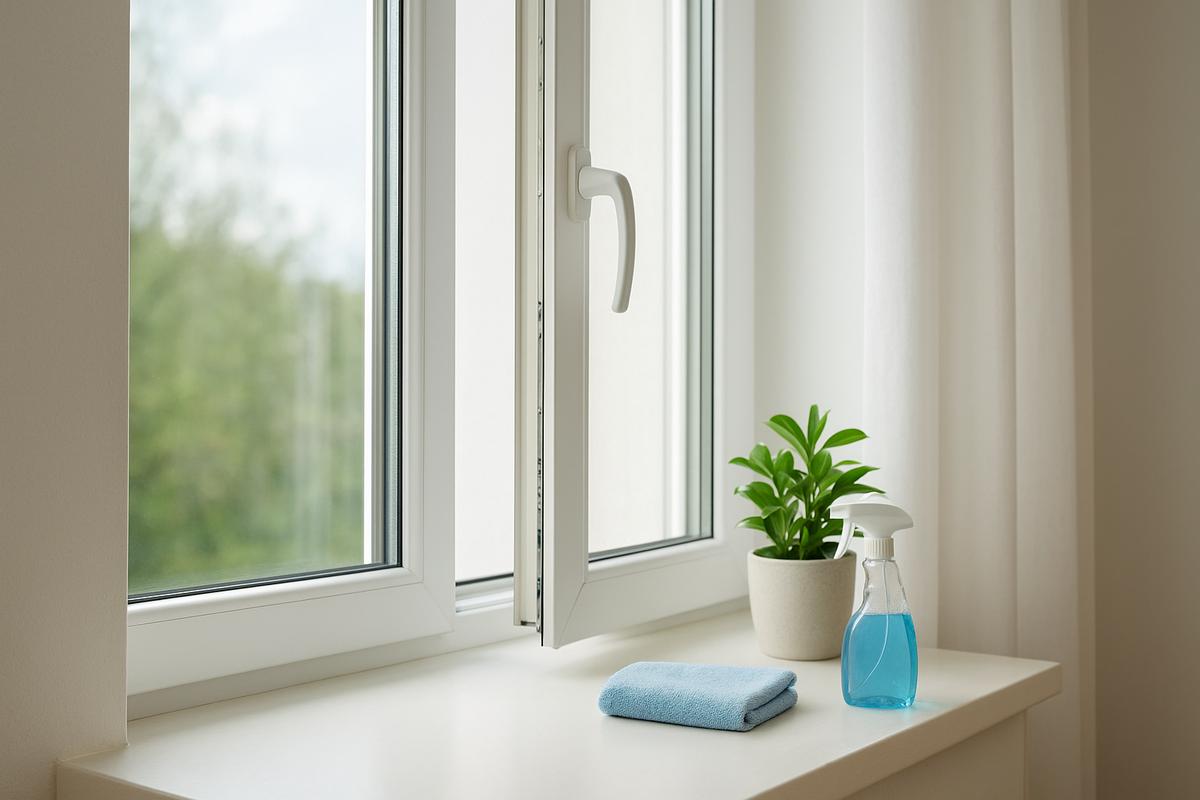
Date added: 13.09.26
Answers to questions about window care
Why proper window care matters
Proper care of PVC windows extends the life of hardware, preserves thermal insulation and appearance, and prevents mold and leaks. Small preventive actions twice a year help avoid costly repairs and keep your home energy-efficient.
Basic care rules
- Clean glass units and frames with mild, non-abrasive products.
- Lubricate hardware with specialized lubricants (once a year or when operation becomes stiff).
- Inspect seals and replace them if they lose elasticity.
- Seasonal pressure adjustment of sashes (spring/autumn).
- Fix minor damages promptly—replacing loose handles or sealing small cracks.
Cleaning glass and frames: do's and don'ts
- Do: warm water with mild detergent, microfiber cloths, soft sponges.
- Don't: abrasive powders, hard brushes, solvents or acetone—they damage frame coating and seals.
- Avoid metal scrapers on frozen dirt—use warm water to thaw.
Tip: to remove water streaks, use a 1:1 water-vinegar mixture or ammonia-free glass cleaners.
Caring for seals and hardware
Seals
Check seals twice a year for cracks, wear, and loss of elasticity. Clean with warm soapy water and apply silicone-based rubber care if needed (avoid petroleum-based greases).
Hardware
Use window-specific aerosols or oils for lubrication (not WD-40 as a long-term solution). Remove dust and old residue with a dry brush before applying lubricant. If a sash becomes stiff, inspect guides and adjustment screws.
Sash adjustment: when and why
Adjustments are needed when sashes jam, close poorly, or visible gaps appear between sash and frame. Seasonal adjustment (reduce pressure in spring, increase in autumn) helps maintain proper airflow and sealing.
- Adjustment screws are located on hinges and strike plates—change settings carefully following manufacturer guidance.
- If unsure, call a technician: incorrect adjustments may skew the sash.
Dealing with mold and condensation
- Condensation between panes indicates compromised insulation and requires glass unit replacement.
- Mold on frames and reveals often comes from high humidity and poor ventilation. Address the cause: ventilate rooms, use extractor hoods, or dehumidifiers.
- Use bleach-based solutions or commercial antiseptics to remove mold, then dry the surface and monitor.
Frequently Asked Questions (FAQ)
How often should I wash windows?
Main cleaning 2–4 times a year is recommended; spot cleaning after storms or heavy dust can be done as needed.
Can I clean windows in winter?
Yes, but avoid washing at temperatures below -5°C to protect seals and glass. Defrost ice with warm water first.
What to use for hardware lubrication: oil or graphite?
Use window-specific lubricants (silicone sprays, light machine oils). Graphite is suitable for locks but not for all hardware parts.
How to know if I need repair rather than cleaning?
Air leaks, cracked glass units, or condensation between panes usually require repair or glass unit replacement. Poor closing may need hardware adjustment.
Can I replace the seal myself?
Many seals are user-replaceable—choose the correct profile and width. For complicated cases, hire a professional.
Conclusion
Regular window maintenance is more than aesthetics: lubrication, timely adjustments, and seal checks keep windows energy-efficient and durable. If in doubt, consult a professional to inspect and repair issues promptly.
DK-Logi blog topics and categories
Useful articles about PVC windows, blinds, and practical advice for your home.





GET A FREE WINDOW COST ESTIMATE!
Leave a request, and we will contact you to arrange a free measurement and provide a full cost estimate.
Your name
Your phone number *
Your e-mail
File
Choose file
Comment (e.g., window sizes, quantity, preferred profiles)

2025 © All rights reserved