WINDOWS


Date added: 28.11.26
Blinds for kitchens in small-family houses
Blinds for kitchens in small-family houses
Kitchens in small-family houses (compact apartments) require practical window treatments. Limited space, proximity to cooking surfaces and frequent use impose specific demands: compactness, easy cleaning, moisture resistance and safety.
Which blinds suit a small kitchen
- Roller blinds — space-saving, easy to raise, available in moisture-resistant fabrics.
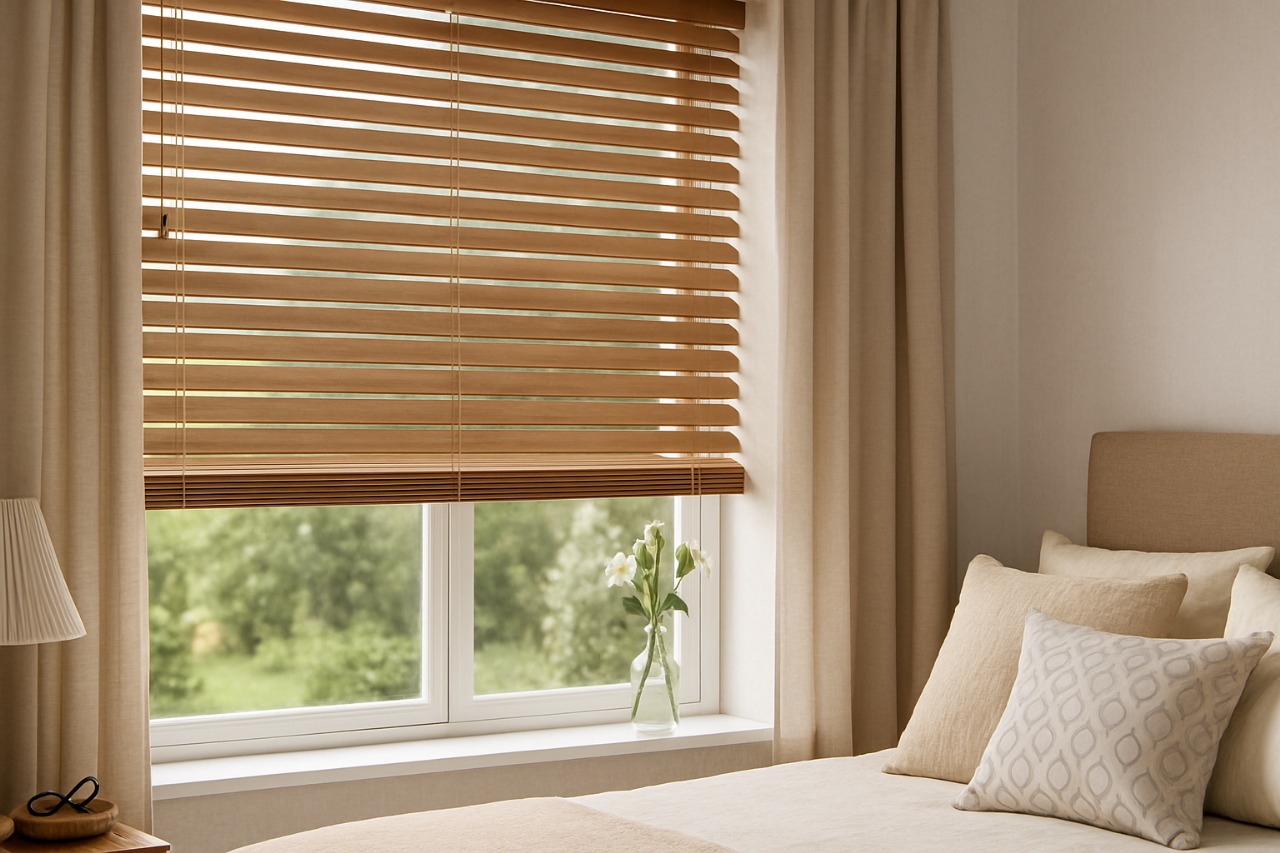
- Aluminum horizontal blinds — slim slats, resistant to moisture, precise light control, may rattle in drafts.
- PVC blinds — budget-friendly, waterproof and easy to wipe clean.
- Roman blinds — cozy look, but fabric needs protection against stains; choose treated fabrics.
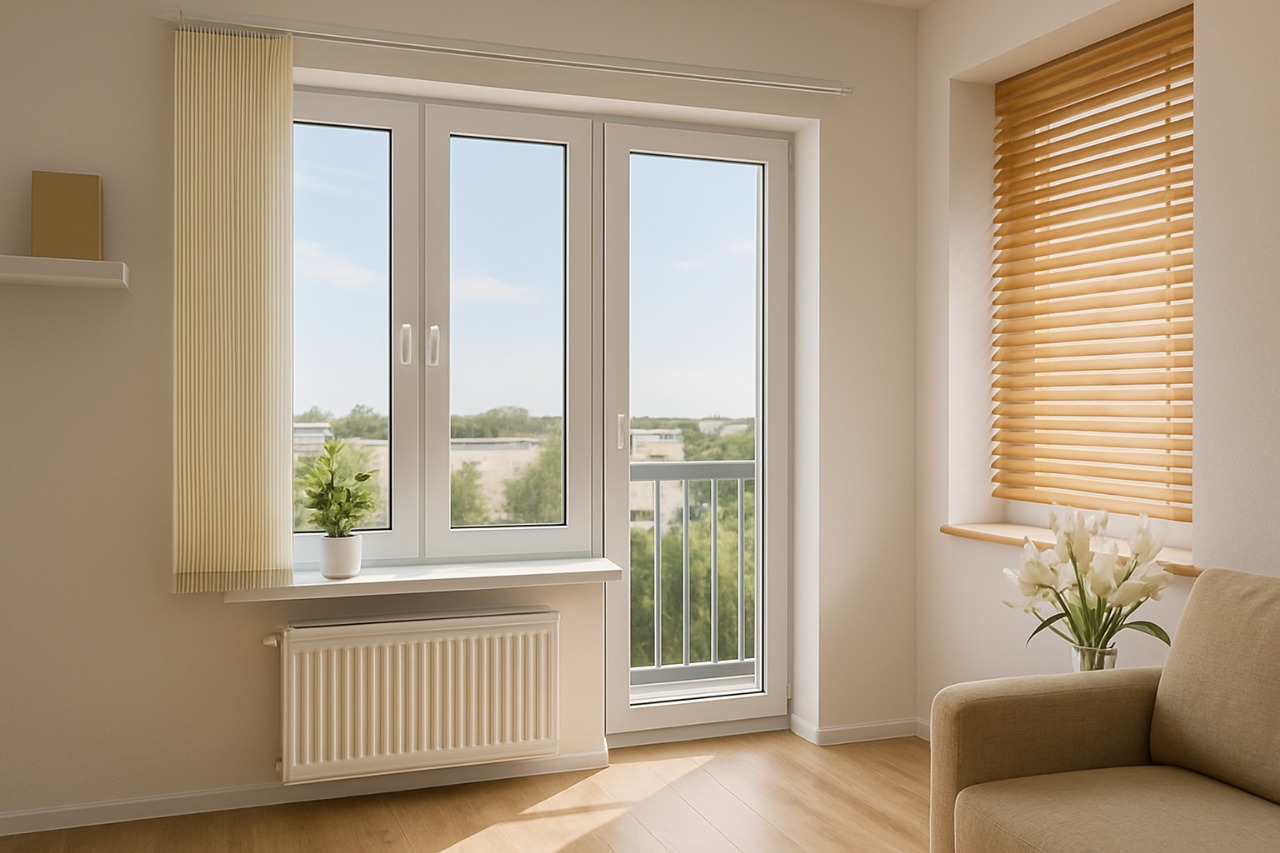
- Vertical blinds — rarely used in kitchens unless windows are tall or for balcony doors.
Size and mounting considerations
Compact kitchens benefit from inside-frame or sash-mounted installations. This keeps the windowsill free. Tips:
- Measure accurately — record width and height of the glass unit.
- For windows over the sink choose corrosion-resistant fixtures and water-repellent materials.
- If the sash opens inward, pick a mounting method that does not obstruct the sash (sash-mounted or cassette systems).
Materials and maintenance
Choose materials that withstand humidity and grease:
- Aluminum and PVC are easy to wipe clean and don’t retain odors.
- Fabrics with stain-resistant coatings work well but require gentler cleaning.
- Routine maintenance: dust weekly, perform a damp wipe monthly following manufacturer instructions.
Light control and privacy
Small kitchens need daylight without sacrificing privacy:
- Sheer roller fabrics let in soft light while hiding the interior from the street.
- Horizontal slats allow precise control of light direction — useful for worktops.
- Avoid very dark coverings that make a small space feel smaller.
Safety and practicality
- For homes with children choose cordless systems or those with chain tensioners.
- Ensure materials resist steam and splashes near the stove and sink.
- Easy removal and re-installation makes cleaning and replacement simpler.
Style and color
Light, neutral tones like white, cream, and soft gray visually expand a small kitchen. Add accents through textured fabrics or a subtle stripe on slats.
Practical checklist before buying
- Measure twice.
- Decide inside-frame or sash mount.
- Prioritize moisture-resistant materials for the cooking area.
- Avoid long dangling cords.
- Verify replaceability of fabric or slats.
Frequently Asked Questions (FAQ)
1. Which blinds are best above a kitchen sink?
Choose water-resistant materials such as aluminum or PVC. Roller blinds with a water-repellent finish are also suitable if they can be easily removed for cleaning.
2. Can blinds be mounted on an inward-opening sash?
Yes — use a lightweight system (roller cassette or compact horizontal slats) and ensure fittings do not obstruct sash movement.
3. How to care for fabric Roman blinds in the kitchen?
Regular dry cleaning (vacuuming with a soft nozzle), occasional gentle damp cleaning per manufacturer guidance, and prompt stain treatment with suitable cleaners.
4. Are blinds safe for children?
Long cords can be hazardous. Opt for cordless, motorized, or cord-tensioned solutions to reduce risk.
5. What color should I choose for a small kitchen?
Light neutral tones broaden the visual space. If adding color, use small accents rather than covering the whole window with dark fabric.
6. How long do kitchen blinds last?
With proper care, aluminum and PVC blinds can last 10–15 years; fabrics vary depending on protective coatings and maintenance.
If you need exact measurements or help selecting a model for your specific window, we can provide tailored recommendations and mounting options.
DK-Logi blog topics and categories
Useful articles about PVC windows, blinds, and practical advice for your home.


GET A FREE WINDOW COST ESTIMATE!
Leave a request, and we will contact you to arrange a free measurement and provide a full cost estimate.
Your name
Your phone number *
Your e-mail
File
Choose file
Comment (e.g., window sizes, quantity, preferred profiles)

2025 © All rights reserved