WINDOWS


Date added: 13.10.26
Blinds for living rooms in the old Lithuanian project
Blinds for living rooms in the old Lithuanian project
Introduction
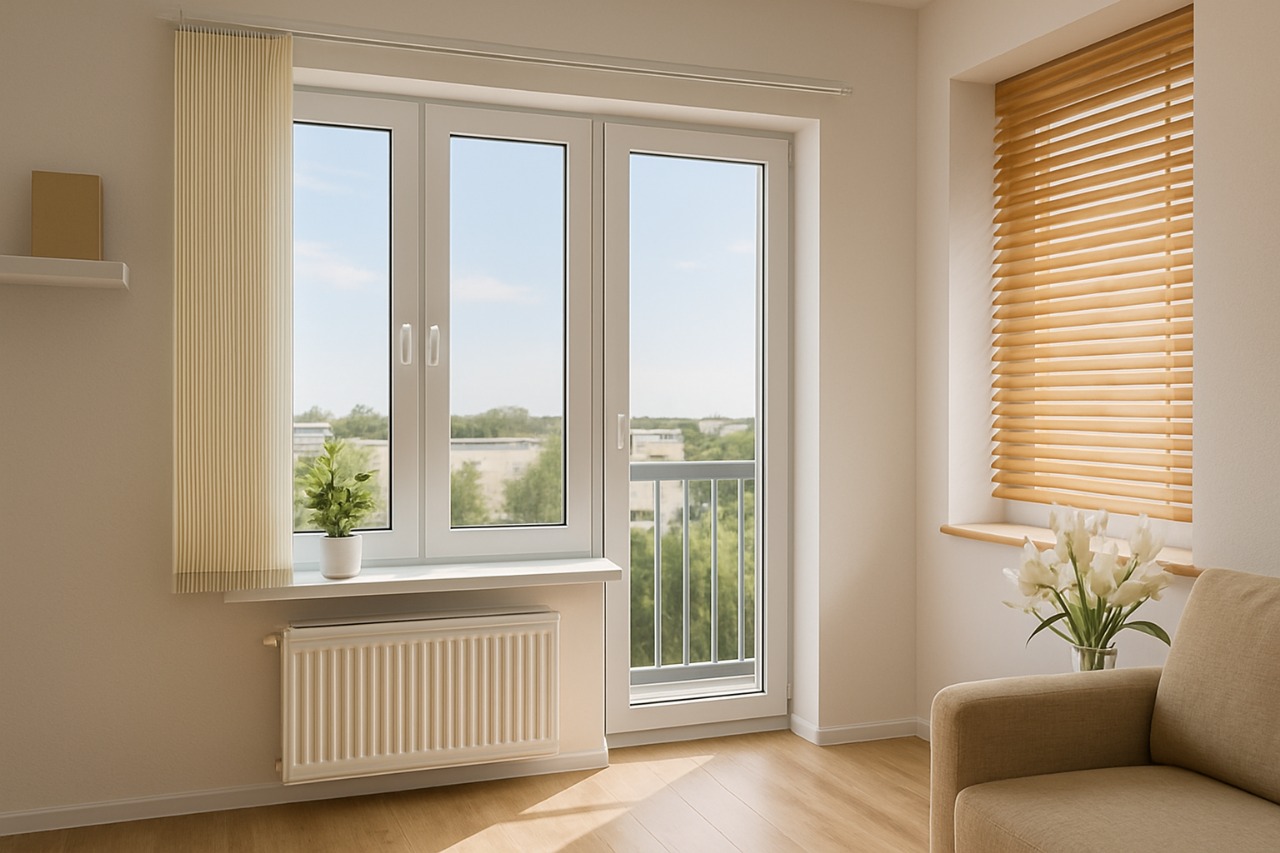
Apartments from older Lithuanian projects (typical Soviet-era panel houses) have specific window features: varied opening heights, limited reveal depth, and sometimes non-standard widths. Choosing the right blinds helps control light, maintain privacy, and bring a modern touch to the living room while respecting structural constraints.
Window specifics and constraints
- Thin frame profiles and shallow window reveals affect mounting options.
- Proximity of balcony doors requires compatibility with opening directions.
- Strong southern exposure may call for better light control and thermal protection.
Measure the reveal depth, window handle position, and ceiling height before choosing blinds.
Suitable blind types: quick overview
- Roller blinds (fabric) — compact, suitable for inside or outside mount; provide good light control and available with thermal backing.
- Day-night (zebra) blinds — offer flexible light and privacy control, great for living rooms with TVs.
- Roman blinds — decorative, add softness and good insulation when closed.
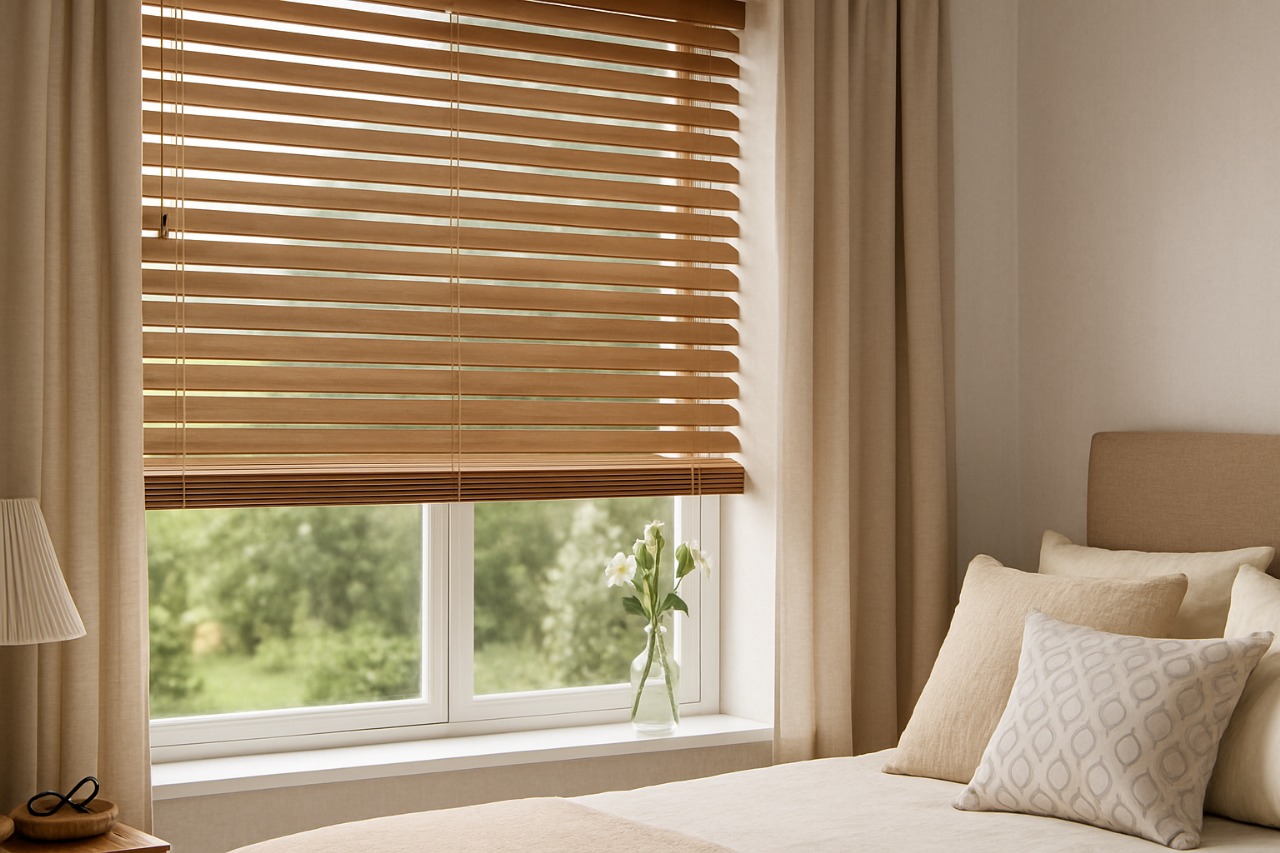
- Horizontal aluminum or wooden blinds — precise light adjustment; wood gives a warmer look.
- Vertical blinds — practical for wide panoramic windows or openings to balconies.
Each type has pros and cons in the context of Soviet-era apartments: inside-mounted roller blinds look neat but may interfere with sash operation in shallow reveals.
Measurements and installation tips
- Measure the opening in three places (top, middle, bottom) to account for irregularities.
- Determine reveal depth — if less than 5 cm, consider exterior or ceiling mounts.
- Check handle and door swing positions — blinds must not obstruct functionality.
- For non-standard sizes, order custom-made blinds.
Design and color suggestions
- Light fabrics and neutral tones visually expand a small living room.
- Textured materials (linen, bamboo) add warmth and character.
- Combine blinds with sheer curtains for layered control: blinds for function, curtains for softness.
Energy efficiency and noise reduction
Fabric roller and Roman blinds with thermal lining help retain heat in winter and reduce summer overheating. Tight mounting reduces drafts and improves acoustic comfort.
Maintenance and durability
- Regular dusting with a vacuum brush or soft brush.
- Spot-clean stains following the manufacturer's instructions.
- Aluminum blinds are easy to wipe; wooden blinds need careful protection from moisture.
Recommendations by situation
- Bright living rooms: roller or day-night blinds with adjustable opacity.
- Cozy spaces with texture: Roman or bamboo blinds.
- Panoramic windows or balcony openings: vertical blinds or bespoke systems.
Frequently Asked Questions (FAQ)
Should I mount blinds inside the reveal or outside?
Inside mounting is cleaner and space-saving but requires a reveal depth of at least 4–5 cm. Shallow reveals often need outside or ceiling mounts.
Can I install blinds on windows with French glazing or balcony doors?
Yes, but choose a system that does not obstruct door operation. Vertical blinds or separate roller units for doors are practical solutions.
How to pair blinds with curtains?
Blinds provide light control and privacy, curtains add insulation and decor. Match tones and choose a light curtain fabric to avoid visual heaviness.
Is professional installation necessary?
Standard windows can often be installed by experienced technicians. For irregular openings or integrated systems, professional installation ensures correct fitting.
How to prolong the life of blinds in older apartments?
Regular maintenance, careful operation, and choosing moisture-resistant materials extend lifespan, especially in buildings with variable humidity.
What are typical costs for measuring and installation?
Costs vary by blind type, size, and complexity. Basic measuring is often free or low-cost; installation prices depend on mounting difficulty and custom work.
Quick buying checklist
- Accurate three-point measurements.
- Decide mounting type (inside/outside/ceiling).
- Select material based on light control and maintenance.
- Confirm production lead time and warranty.
DK-Logi blog topics and categories
Useful articles about PVC windows, blinds, and practical advice for your home.

GET A FREE WINDOW COST ESTIMATE!
Leave a request, and we will contact you to arrange a free measurement and provide a full cost estimate.
Your name
Your phone number *
Your e-mail
File
Choose file
Comment (e.g., window sizes, quantity, preferred profiles)
2025 © All rights reserved