WINDOWS


Date added: 23.09.26
Blinds for medical institutions
Blinds for medical institutions
Blinds in hospitals, clinics and private medical offices are more than interior decoration. They control natural light, protect patient privacy and help maintain hygiene standards. Choosing the right blinds helps staff work better and patients feel more comfortable.
Why blinds matter in healthcare
- Light control — supports examinations, diagnostics and patient comfort.
- Privacy — essential for consultation rooms and patient wards.
- Hygiene — materials must be washable and resistant to disinfectants.
- Safety and compliance — fire safety and sanitary standards are mandatory.
Recommended types of blinds
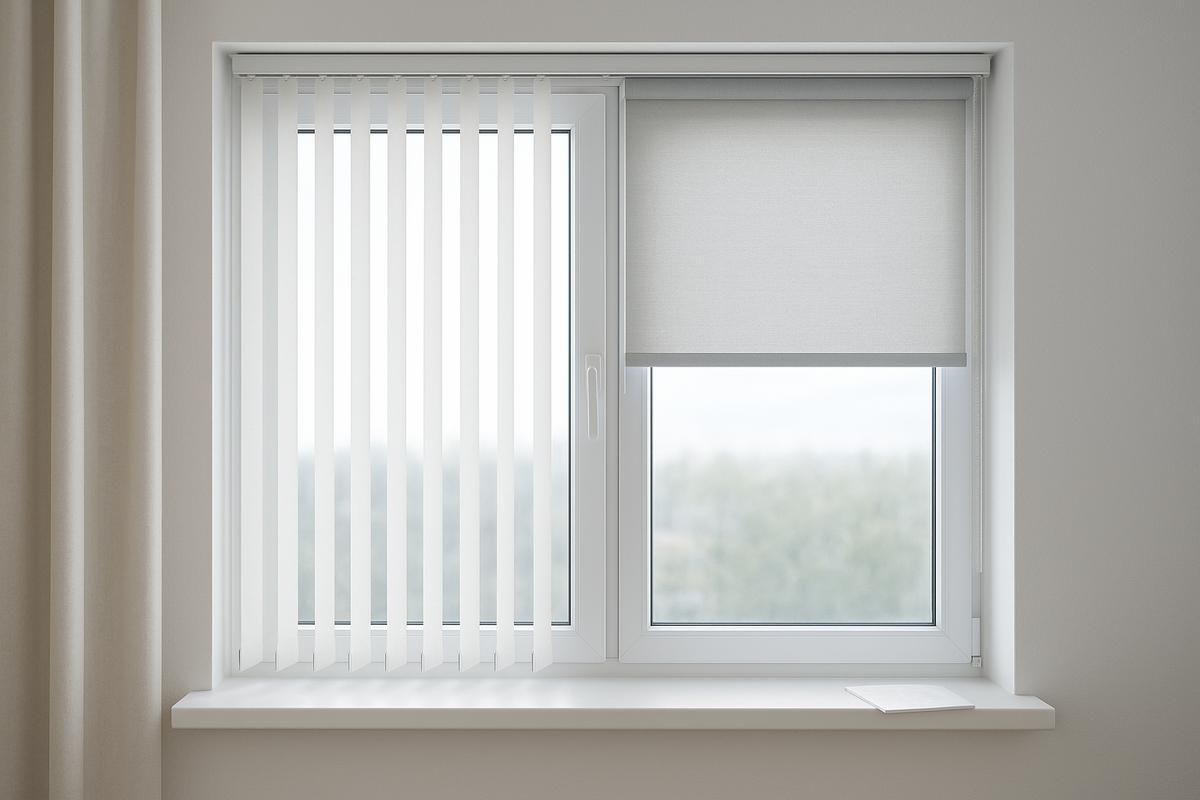
- Vertical blinds: suitable for reception areas and corridors, easy to clean, available with antimicrobial coatings.
- Roller blinds: compact, easy to operate and clean; fabrics can have antibacterial treatment and different blackout levels.
- Aluminum blinds: durable and simple to disinfect, ideal for treatment rooms and labs.
- Roman and fabric blinds (antimicrobial): good for waiting areas and offices where acoustics and comfort matter, but choose fabrics rated for disinfection.
Materials and finishes
Consider these properties when selecting materials:
- Antibacterial and antifungal treatments for textiles.
- Moisture-resistant and washable surfaces (PVC, lacquered fabrics, aluminum).
- Low VOCs, hypoallergenic materials, and sanitary certificates.
Note: sterile zones (operating theatres, intensive care) usually require specialized solutions agreed with facility engineers and infection control teams.
Safety, installation and maintenance
- Installation must be performed by certified installers experienced in medical projects.
- Control mechanisms (chains, cords) should be safe — prefer enclosed or cordless systems to reduce risk.
- Quick-release slats or removable fabrics simplify regular cleaning and replacement.
- Choose systems able to withstand frequent disinfection.
How to choose
- Identify the functional area: reception, treatment room, ward, diagnostic room.
- Select material based on cleaning regime and hygiene needs.
- Decide on light transmission: soft diffuse light for consultations, controlled blackout for diagnostics.
- Verify fire safety ratings and manufacturer certifications.
Maintenance recommendations
- Daily dusting and weekly wet cleaning with approved disinfectants.
- For fabric systems — removable covers or professional cleaning per manufacturer guidelines.
- Inspect mechanisms and fastenings at least twice a year.
Use cases
- Reception and waiting rooms: roller or vertical blinds for flexible light control.
- Doctor’s offices: roller or Roman blinds with antimicrobial treatment.
- Diagnostic areas (non-sterile): aluminum blinds for easy disinfection.
Frequently Asked Questions (FAQ)
Can blinds be used in operating rooms?
Operating rooms usually require strict sterility and may use specialized sterile panels or integrated systems. Standard blinds are generally not recommended without approval from infection control.
How often should blinds be disinfected?
In public medical areas — at least weekly; in higher-risk zones — follow the facility cleaning protocols. Ensure the chosen material tolerates disinfectants.
What colors are best for clinics?
Neutral, light colors create a calming atmosphere and pair well with medical interiors. Pastel tones are often used in pediatric wards.
What is the lifespan of blinds in medical settings?
With proper care and regular maintenance, expect 5–12 years depending on material and usage intensity.
Are special certificates required for materials?
Yes, sanitary and fire safety certificates are important to confirm material suitability for intensive disinfection and public spaces.
If you need, we can prepare a tailored quote and arrange an on-site measurement accounting for your facility's sanitary requirements.
DK-Logi blog topics and categories
Useful articles about PVC windows, blinds, and practical advice for your home.

GET A FREE WINDOW COST ESTIMATE!
Leave a request, and we will contact you to arrange a free measurement and provide a full cost estimate.
Your name
Your phone number *
Your e-mail
File
Choose file
Comment (e.g., window sizes, quantity, preferred profiles)
2025 © All rights reserved