WINDOWS


Date added: 20.11.26
Blinds for panoramic balconies in series 104
Blinds for panoramic balconies (Series 104)
Panoramic balconies in Series 104 buildings need a special approach to sun protection and interior finishing. Large glass areas and narrow frame profiles affect the choice of blind type, mounting method and maintenance routine. This guide explains suitable blind systems, installation options and care tips tailored for panoramic balconies in Series 104 apartments.
Why Series 104 matters
- Series 104 apartments often feature wide, frontal glazing with low sills and narrow frames.
- Non-standard dimensions require precise measuring and often custom solutions.
- Increased solar exposure makes UV protection and fade-resistant materials essential.
Suitable blind types for panoramic balconies
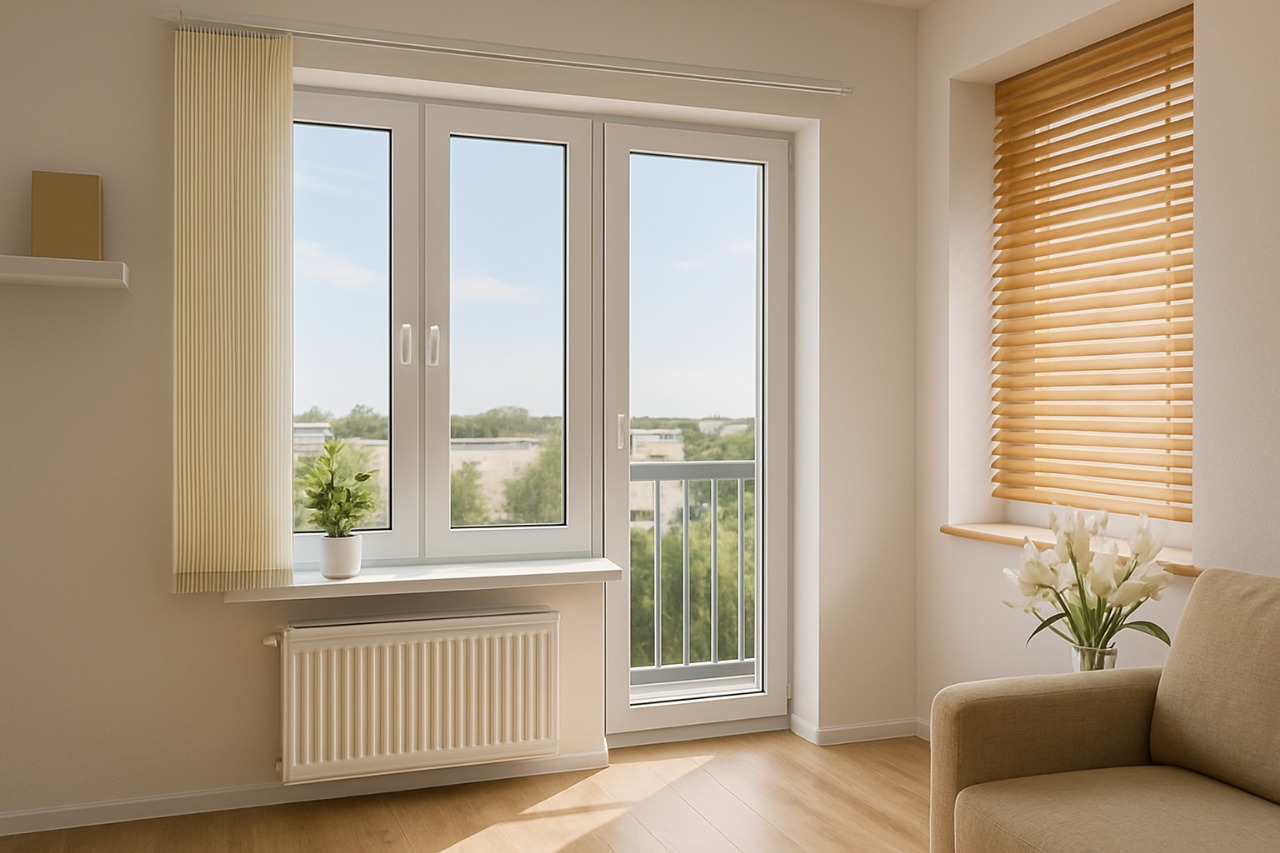
- Vertical blinds — ideal for wide panes: they allow accurate light control without blocking the view and can be mounted to the ceiling or the frame head.
- Roller blinds — compact and effective for heat and light control; available in varying opacities (day-night to blackout).
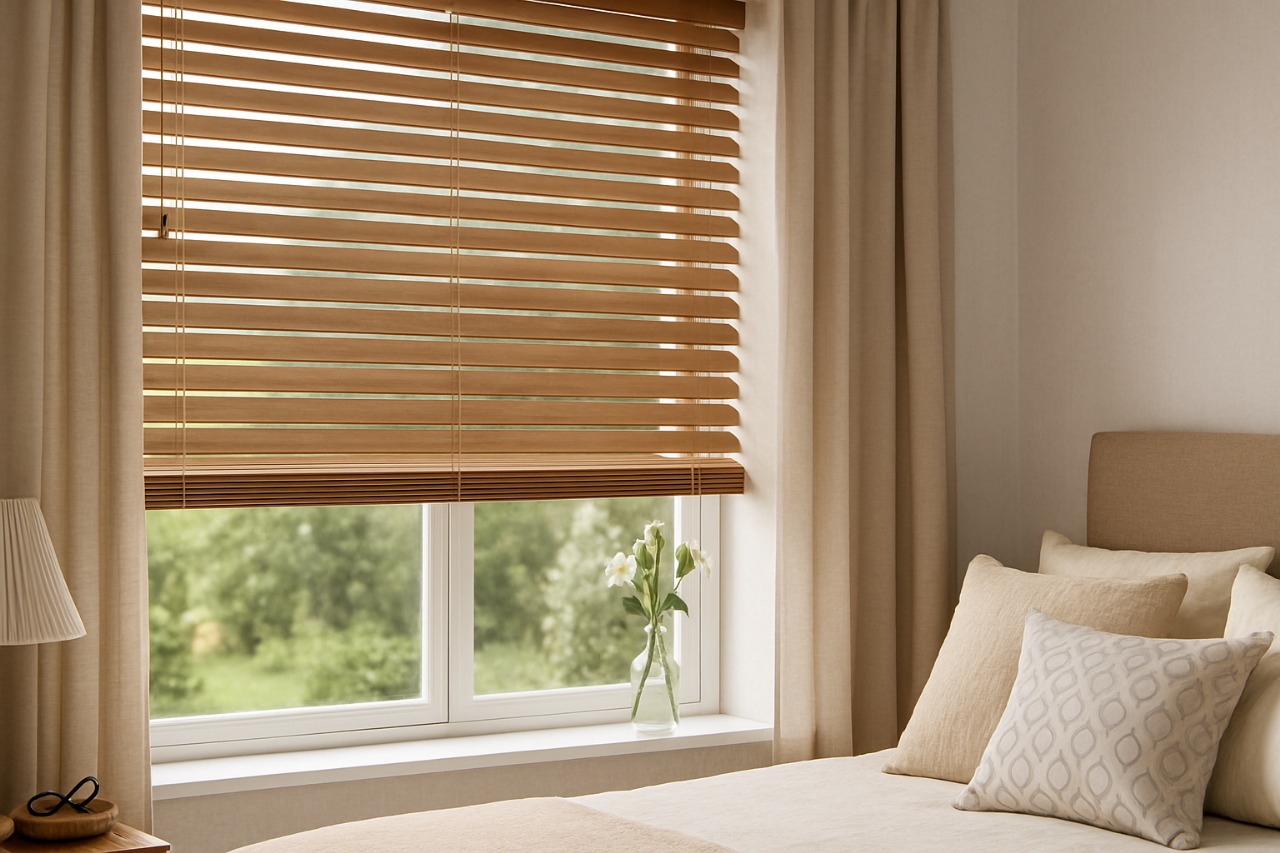
- Venetian (horizontal aluminum) blinds — suitable for large glass areas but need careful mounting to avoid sagging slats.
- Pleated blinds — slim and elegant, easy to fit into glazing beads or between glass panes.
- Roman blinds — decorative and soft, good for enclosed balcony spaces where textile aesthetics matter.
Materials and colors
- Choose fabrics with UV stabilization and anti‑fade finish for longevity in strong sunlight.
- Light colors reflect heat and reduce interior temperature; dark fabrics enhance privacy and blocking.
- Aluminum and PVC slats resist moisture and temperature changes.
Mounting options and controls
- Surface mounting to the ceiling or top of the frame is common for panoramic glazing.
- Recessed fitting into the window reveal is an option when space is limited.
- Motorized control offers comfort and is recommended for large systems: button, remote, or smart home integration.
- Manual options: chain, cord or wand control for slat rotation.
Thermal and acoustic effects
Blinds alone don’t dramatically increase insulation, but dense roller and pleated systems reduce radiant heat and help stabilize the microclimate. Combined with good seals and insulating glazing, they improve comfort on the balcony.
Maintenance
- Dust regularly with a soft brush or vacuum on low power.
- Spot clean fabric blinds with a damp cloth; avoid harsh chemicals.
- Wipe aluminum slats with a soft cloth and mild detergent.
- Motorized systems should be checked annually for secure fixings and electrical integrity.
Practical tips for Series 104
- Measure precisely after removing old fittings or use a professional measurer — panoramic openings often have bespoke sizes.
- Prioritize moisture‑resistant and UV‑stable materials.
- For unobstructed views, vertical or roller systems are preferable.
FAQ
Which blind type works best for a panoramic balcony?
Vertical and roller blinds are most versatile: vertical for directional light control, rollers for compact blackout and neat appearance.
Can blinds be fixed to PVC frames?
Yes. There are clip-on and drilled mounting options; professional installation is recommended to avoid damaging the profile.
Is motorization necessary?
Not necessary but convenient for large or hard‑to‑reach systems. Motorization ensures smooth, even operation and can extend service life.
How long do blinds last on panoramic windows?
With proper material choice and care, expect 5–10 years or more. Fabrics may fade sooner under intense sunlight.
How much does installation cost for Series 104 balconies?
Costs vary by system type, dimensions and accessories. Contact DK‑Logi for accurate measurement and a quote.
We offer on-site measuring, custom solutions and professional installation tailored to Series 104 panoramic balconies. Contact DK‑Logi to arrange a visit.
DK-Logi blog topics and categories
Useful articles about PVC windows, blinds, and practical advice for your home.

GET A FREE WINDOW COST ESTIMATE!
Leave a request, and we will contact you to arrange a free measurement and provide a full cost estimate.
Your name
Your phone number *
Your e-mail
File
Choose file
Comment (e.g., window sizes, quantity, preferred profiles)
2025 © All rights reserved