WINDOWS


Date added: 27.11.26
Blinds for panoramic windows in the new Lithuanian project
Blinds for panoramic windows: solutions for the new Lithuanian project
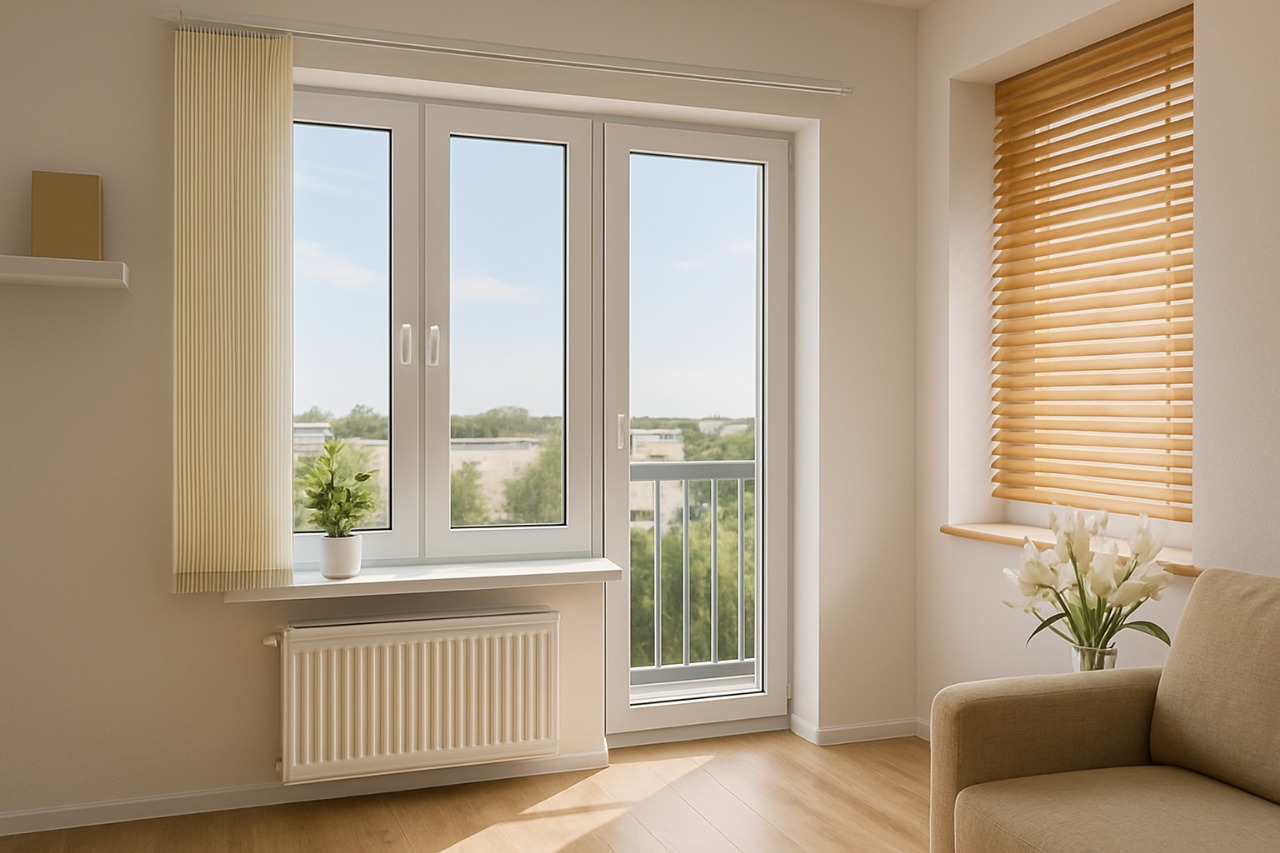
Panoramic windows are a key architectural element that brings light, views, and a contemporary feel to residential and commercial spaces. In the new Lithuanian project, architects and fit-out teams faced the challenge of selecting blinds that deliver comfort, aesthetic harmony and reliable performance on unusually large glazing.
Why panoramic windows need special blinds
- Large glass areas increase solar gain and daylight, requiring precise light control.
- High and wide formats often rule out standard fittings and call for ceiling-mounted systems or special guides.
- Visual continuity: blinds must preserve the view and complement the façade.
Suitable types of blinds for panoramic glazing
-
Roller blinds (cassette and open).
- Pros: clean appearance, easy operation, scalable with motorization.
- Cons: very wide spans may need guide rails to avoid fabric sag.
-
Vertical blinds.
- Pros: scale well by width, effective for very tall glazing.
- Cons: may sway in drafts and present a striped look.
-
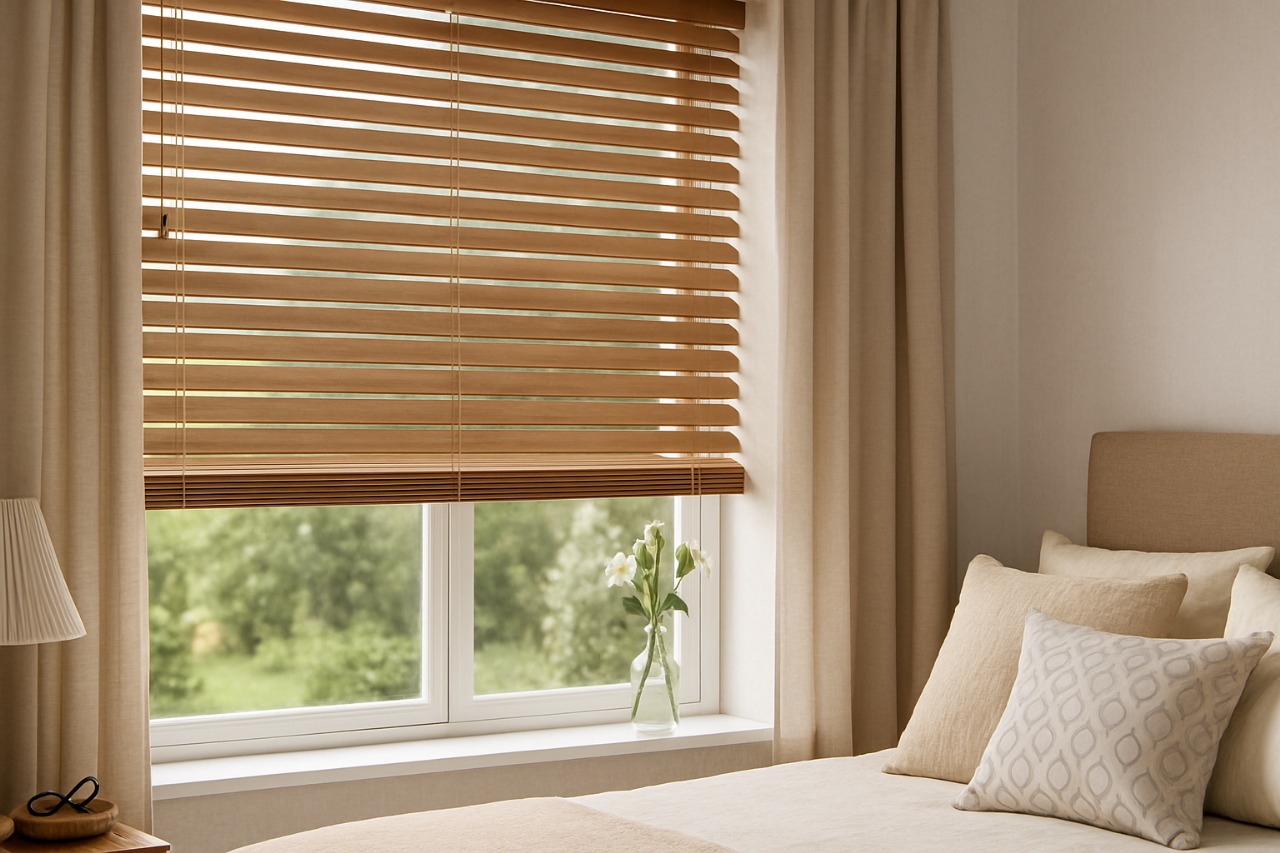
Horizontal Venetian (aluminum or wood).
- Pros: precise light angle control and classic look.
- Cons: difficult to span very wide uninterrupted glass without segmentation.
-
Roman and fabric systems (day/night).
- Pros: soft aesthetics, excellent light diffusion and privacy control.
- Cons: heavy fabrics on large windows require reinforced hardware.
Mounting options
- Ceiling-mounted (recessed or surface) — ideal for tall windows and concealed mechanisms.
- Wall-mounted with side guides — for solid jambs and heavier systems.
- Frame-mounted — possible for lightweight roller systems if the profile supports the load.
Controls: manual vs motorized
For panoramic windows motorization is often recommended:
- Electric drive with remote or wall switch — essential for hard-to-reach large blinds.
- Smart home integration — schedules, light sensors, voice control.
- Quiet, soft-start mechanisms preserve comfort in living and office spaces.
Light control and thermal performance
- Thermal or blackout fabrics reduce solar heat gain and glare.
- Reflective coatings deflect sunlight and improve comfort.
- Combining blinds with curtains or internal films increases insulation.
Durability and environmental factors
- Choose UV-resistant and fade-proof fabrics for south-facing façades.
- Reinforced guides and holders minimize sway and wear under wind loads.
Practical choices used in the Lithuanian project
The project implemented mixed solutions:
- Motorized cassette roller blinds in living areas for a minimal look and silent operation.
- Vertical blinds in public corridors and meeting rooms for scalable width control.
- Roman fabric blinds in bedrooms for soft light and textile warmth.
Client priorities: unobtrusive aesthetic, wind resistance, quiet motorization and full smart-home compatibility.
FAQ — Practical questions and answers
Are roller or vertical blinds better for panoramic windows?
It depends on the window proportions and the desired interior look. Roller blinds offer a sleek, concealed solution; vertical blinds work well when you need to manage very wide spans.
Is motorization necessary?
For very tall or hard-to-reach blinds, motorization significantly improves usability and longevity. Use drives with limit switches and thermal protection.
What fabric is best for large glass areas?
Select high-density, UV-stable fabrics. For heat control, choose reflective or blackout materials.
Can blinds be installed without drilling the façade?
Yes — ceiling and frame mounts often avoid drilling the façade. Adhesive profiles exist but suitability depends on system weight.
How to maintain large blinds?
Regular dry dusting or vacuuming with a soft brush; spot clean according to the manufacturer. Motorized systems should be inspected periodically.
Lead times for custom panoramic blinds?
Typically 2–6 weeks for production depending on fabric and motorization, plus 1–3 days for installation.
DK-Logi provides measurement, advice and full installation services for panoramic windows — from specification to handover, ensuring the blinds match both technical and aesthetic requirements.
DK-Logi blog topics and categories
Useful articles about PVC windows, blinds, and practical advice for your home.

GET A FREE WINDOW COST ESTIMATE!
Leave a request, and we will contact you to arrange a free measurement and provide a full cost estimate.
Your name
Your phone number *
Your e-mail
File
Choose file
Comment (e.g., window sizes, quantity, preferred profiles)
2025 © All rights reserved