WINDOWS


Date added: 05.10.26
Blinds for the kitchen in series 119
Kitchen blinds for series 119 — practical solutions for panel apartments
Kitchens in apartments of series 119 have characteristic window sizes and layout constraints. Choosing the right blinds will help control light, protect surfaces from grease and sun damage, and keep the space tidy and safe.
Best blind types for kitchens
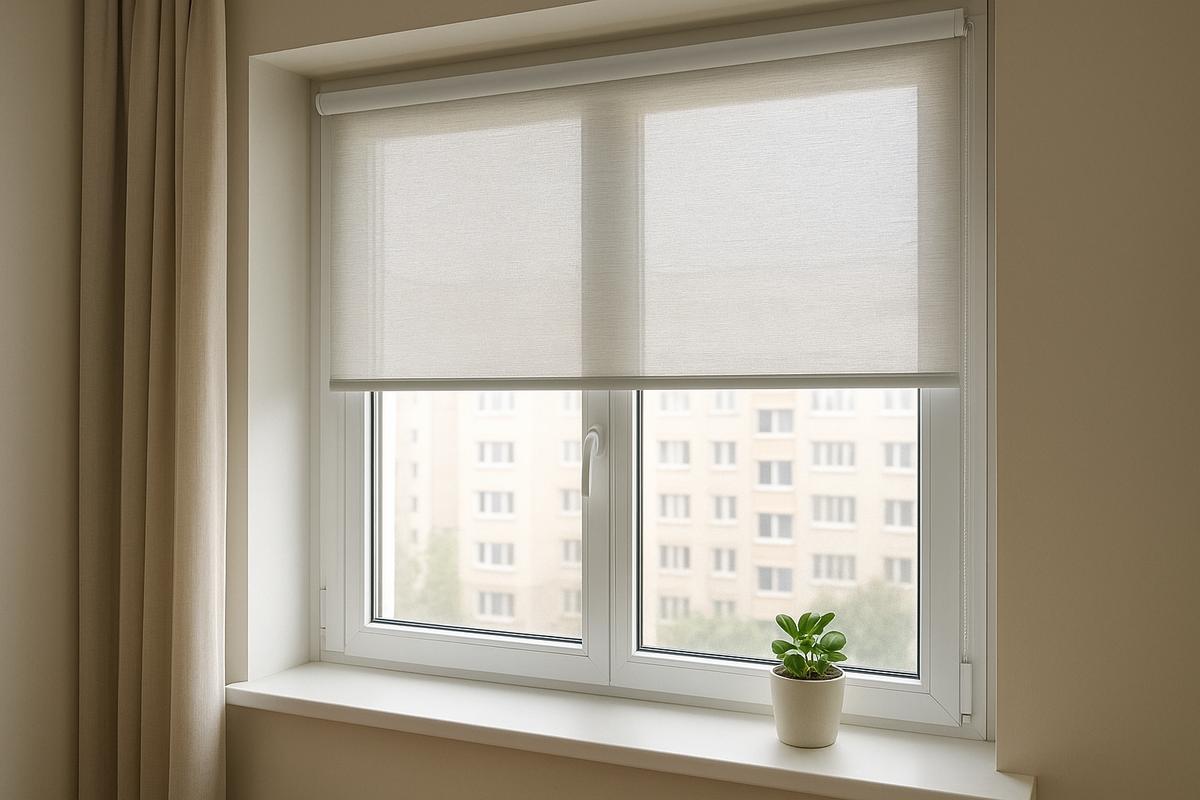
- Roller blinds — compact, easy to wipe, available in moisture-resistant and anti-stain fabrics. Perfect above sinks and near cooktops.
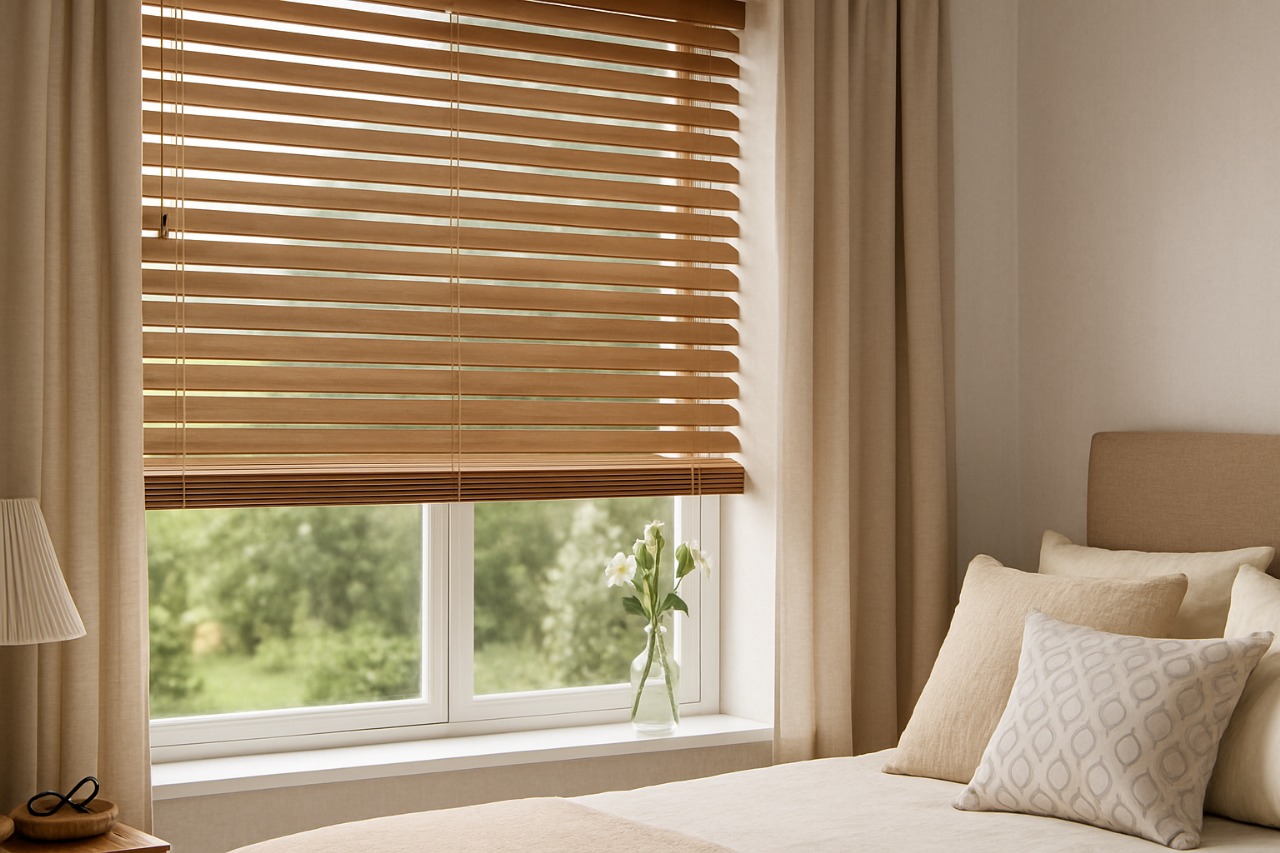
- Horizontal aluminum blinds — slim slats that resist humidity and heat; easy to clean and durable.
- PVC blinds — fully washable and moisture-proof, ideal for areas exposed to splashes.
- Roman and fabric blinds — stylish, but select water-repellent fabrics and be ready for periodic cleaning.
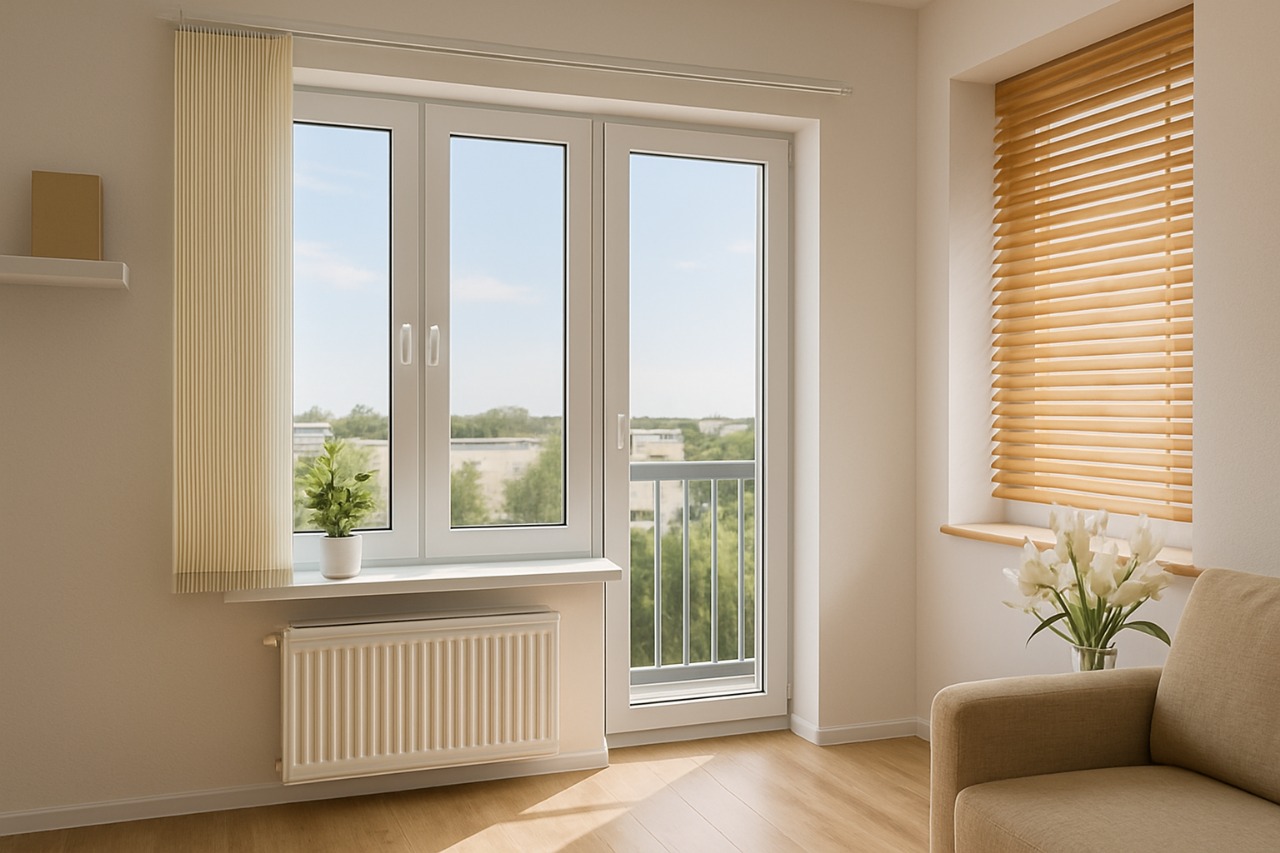
- Vertical blinds — more common for large openings or balconies than for standard 119 series windows.
Selection criteria
- Moisture and grease resistance. Kitchen blinds must withstand splashes and frequent cleaning.
- Measurements and mounting type. Series 119 often benefits from frame or reveal mounting to save space.
- Safety features: cordless options or child-safe cord mechanisms are important.
- Light control: dense fabrics and PVC provide privacy; slatted blinds give flexible daylight control.
- Color choice: light tones reflect more natural light and make kitchens feel larger.
Installation tips for 119 series windows
- Measure correctly: width and height in several places (top/center/bottom) and use the smallest measurement for internal mounts.
- Mounting options: on the frame (no drilling), in the reveal (with anchors), or above the window on the wall/soffit. Frame or reveal mounting is often the most practical for 119-series kitchens.
- For uPVC frames, use manufacturer-approved brackets to avoid compromising the seal.
Maintenance and care
- Daily cleaning: a dry or slightly damp soft cloth; mild detergent for grease.
- For aluminum and PVC, avoid abrasive cleaners and solvents; use neutral detergents.
- Fabric blinds should be cleaned seasonally or via professional cleaning depending on the material.
- Check mechanisms and fixings every 6 months; tighten screws and maintain guides if necessary.
Common mistakes to avoid
- Choosing thin untreated fabric near the stove — it will absorb grease and odors quickly.
- Incorrect measurements causing interference with window handles and opening.
- Neglecting child safety — use cord cleats or cordless systems.
DK-Logi recommendations
- For most 119-series kitchens, roller or PVC blinds strike the best balance of price, durability, and hygiene.
- For adjustable daylight control, 25 mm aluminum slats are recommended.
- Match blind colors with kitchen finishes or choose neutral light shades to visually expand the space.
FAQ — questions about kitchen blinds in series 119
Can blinds be installed above the stove?
Yes, if the material is moisture- and grease-resistant (aluminum, PVC, or specialized roller fabrics). Avoid heavy drapery near heat sources.
How to measure correctly for an order?
Measure internal width and height in three places and take the smallest measurement for reveal-mounted blinds. For external mounts, add overlap: typically 4–6 cm on each side.
Will blinds interfere with window ventilation?
Choose mounts that allow micro-ventilation and select models that do not obstruct the ventilation grille. Frame mounting often preserves ventilation better.
How long do kitchen blinds last?
With proper use and maintenance, moisture-resistant blinds can last 5–10 years or more. Fabric blinds may require more frequent cleaning or replacement.
Do blinds affect kitchen safety?
Yes. Use flame-retardant materials where possible, avoid long cords, and ensure blinds do not block access to window handles or vents.
For precise measurements and on-site advice for a typical 119-series apartment, DK-Logi specialists can consult, supply and install the optimal solution.
DK-Logi blog topics and categories
Useful articles about PVC windows, blinds, and practical advice for your home.


GET A FREE WINDOW COST ESTIMATE!
Leave a request, and we will contact you to arrange a free measurement and provide a full cost estimate.
Your name
Your phone number *
Your e-mail
File
Choose file
Comment (e.g., window sizes, quantity, preferred profiles)

2025 © All rights reserved