WINDOWS


Date added: 06.10.26
Blinds for the kitchen: practical solutions for series 103
Kitchen blinds for a typical apartment of series 103: practical choices
Kitchens in series 103 apartments often have compact windows and limited counter space. The right blinds enhance privacy, control daylight, reduce glare on work surfaces, and resist humidity from cooking. This guide covers suitable blind types, measuring and installation tips, maintenance, and styling ideas tailored to kitchens in typical series 103 apartments.
Best blind types for a series 103 kitchen
- Roller blinds (cassette) — compact, easy to clean, available in moisture-resistant fabrics; great for narrow openings.
- Horizontal blinds (aluminum or PVC slats) — durable against moisture, good light control, economical.
- Roman blinds — decorative, choose treated fabrics for kitchens to prevent stains and mold.
- Vertical blinds — more suitable for large windows, usually not recommended for small kitchen windows.
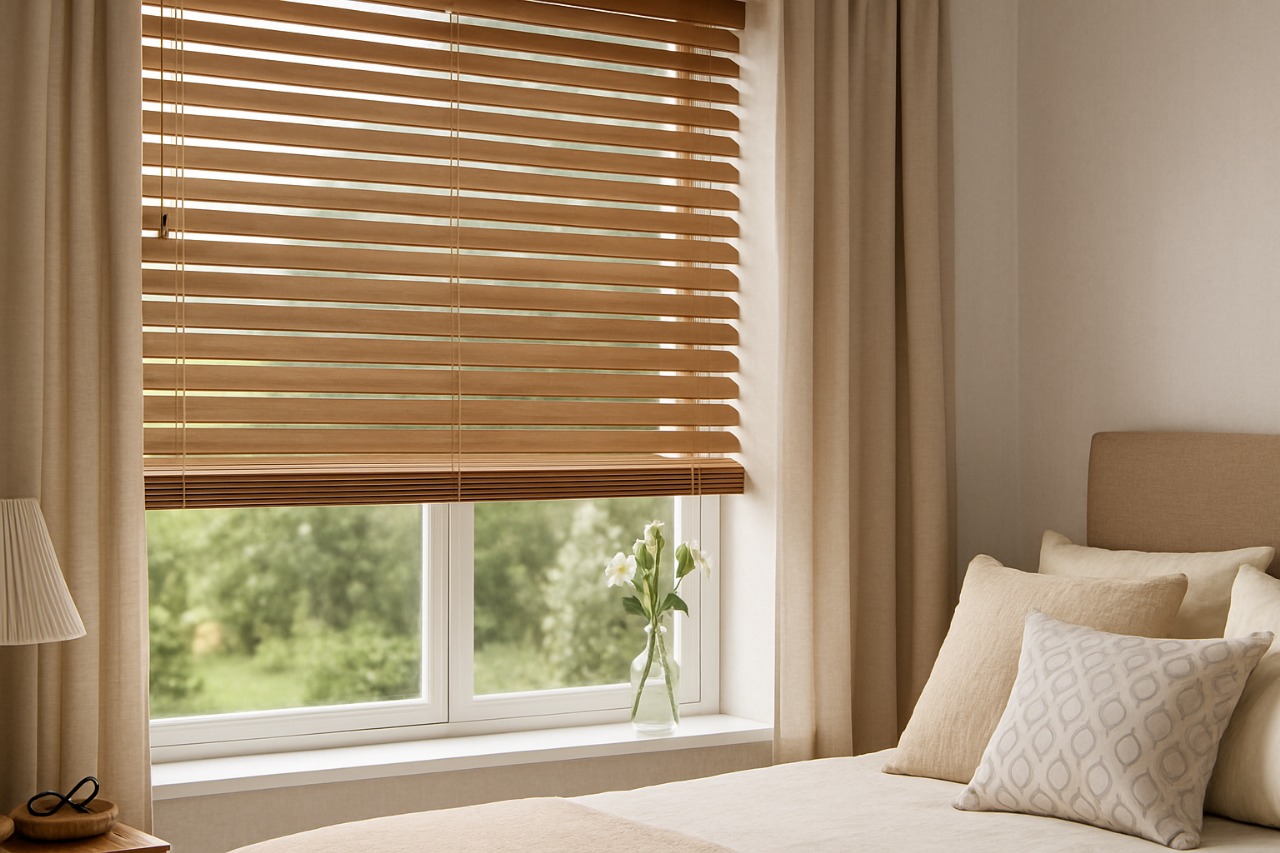
- Bamboo/wooden blinds — add warmth but need protection from steam and grease.
Measuring and mounting considerations
- Measure internal and external opening width at three points and height at two points to ensure accuracy.
- Consider frame protrusions, window handles and sill depth; brackets may need extra clearance.
- Inside-mounted blinds save space and protect the product from splashes — common for kitchen installations.
- When in doubt, order a professional measurement to avoid costly fit issues.
Materials and moisture resistance
- PVC and aluminum are top choices for kitchens: they tolerate steam and are washable with mild detergent.
- Look for mildew-resistant treatments on fabrics for roller and Roman blinds.
- Natural materials require protective coatings and more frequent cleaning.
Operation and safety
- Cordless or cord-concealed systems reduce risk for children and pets.
- Motorized blinds are convenient if windows are frequently opened, but they require power and occasional servicing.
Cleaning and care
- Regular dusting or vacuuming with a soft brush prolongs life.
- Wipe aluminum and PVC slats with warm soapy water; avoid abrasive cleaners.
- Fabric roller and Roman blinds may need professional or gentle steam cleaning according to manufacturer instructions.
Styling tips for a small kitchen
- Light-filtering roller fabrics increase perceived space and still block harsh sunlight.
- Combine short decorative curtains with functional roller blinds: curtains for look, blinds for practicality.
- Neutral, low-maintenance colors and matte textures help to hide stains and reduce glare.
Frequently Asked Questions (FAQ)
Can I install roller blinds above the stove?
Yes, but choose fire-retardant and moisture-resistant fabrics and avoid installing directly over open flames. Aluminum or PVC slats are often a safer alternative near the cooking area.
Which blind type occupies the least space in a narrow window?
Roller blinds and slim horizontal aluminum blinds retract compactly and are ideal for narrow openings common in series 103 kitchens.
Do I need a professional installer?
Professional installation is recommended for precise inside mounts and when windows have non-standard profiles or limited clearance. It ensures correct bracket placement and trouble-free operation.
How do I clean fabric Roman blinds in the kitchen?
Use regular dusting and spot cleaning. For deep stains, follow the manufacturer's care instructions or use professional cleaning. Steam cleaners on a delicate setting may refresh fabric without water immersion.
What makes kitchen blinds for series 103 different from ordinary blinds?
They prioritize compactness, moisture resistance and easy maintenance because of kitchen-specific exposure to steam, grease and frequent handling.
How to choose color and texture?
Select light, stain-masking neutrals to visually enlarge a small kitchen. Matte finishes reduce reflections from countertops and appliances.
If you need on-site measurement, material samples or professional installation for your series 103 apartment window, we can assist with tailored recommendations and a rapid quote.
DK-Logi blog topics and categories
Useful articles about PVC windows, blinds, and practical advice for your home.


GET A FREE WINDOW COST ESTIMATE!
Leave a request, and we will contact you to arrange a free measurement and provide a full cost estimate.
Your name
Your phone number *
Your e-mail
File
Choose file
Comment (e.g., window sizes, quantity, preferred profiles)

2025 © All rights reserved