WINDOWS


Date added: 17.04.26
Blinds in a children's room: what to consider
Blinds in a children's room: what to consider
Choosing blinds for a child's room is about more than looks. Safety, light control for sleep, ease of cleaning and material durability are the main factors. This guide covers blind types, safety rules, installation tips, care and budget-friendly options.
Summary
- Prioritize safety: choose cordless or motorized systems.
- Roller and blackout blinds are best for daytime naps and infants.
- Soft, calming colors support sleep; avoid overly bright patterns near beds.
- Installation method (inside vs. outside mount) depends on window depth.
- Materials: fabric, aluminum, PVC, and cellular blinds all have pros and cons.
- Regular light cleaning plus spot washing keeps blinds hygienic.
Why the right choice matters
A child's room is for sleeping, playing and learning. Blinds must provide proper darkness for naps, protect from glare, be safe (no accessible cords), and be simple to maintain. Choosing incorrectly can create safety hazards and daily inconvenience.
Types of blinds and pros/cons
- Roller blinds: easy to clean, available in blackout fabrics — practical for infants and children.
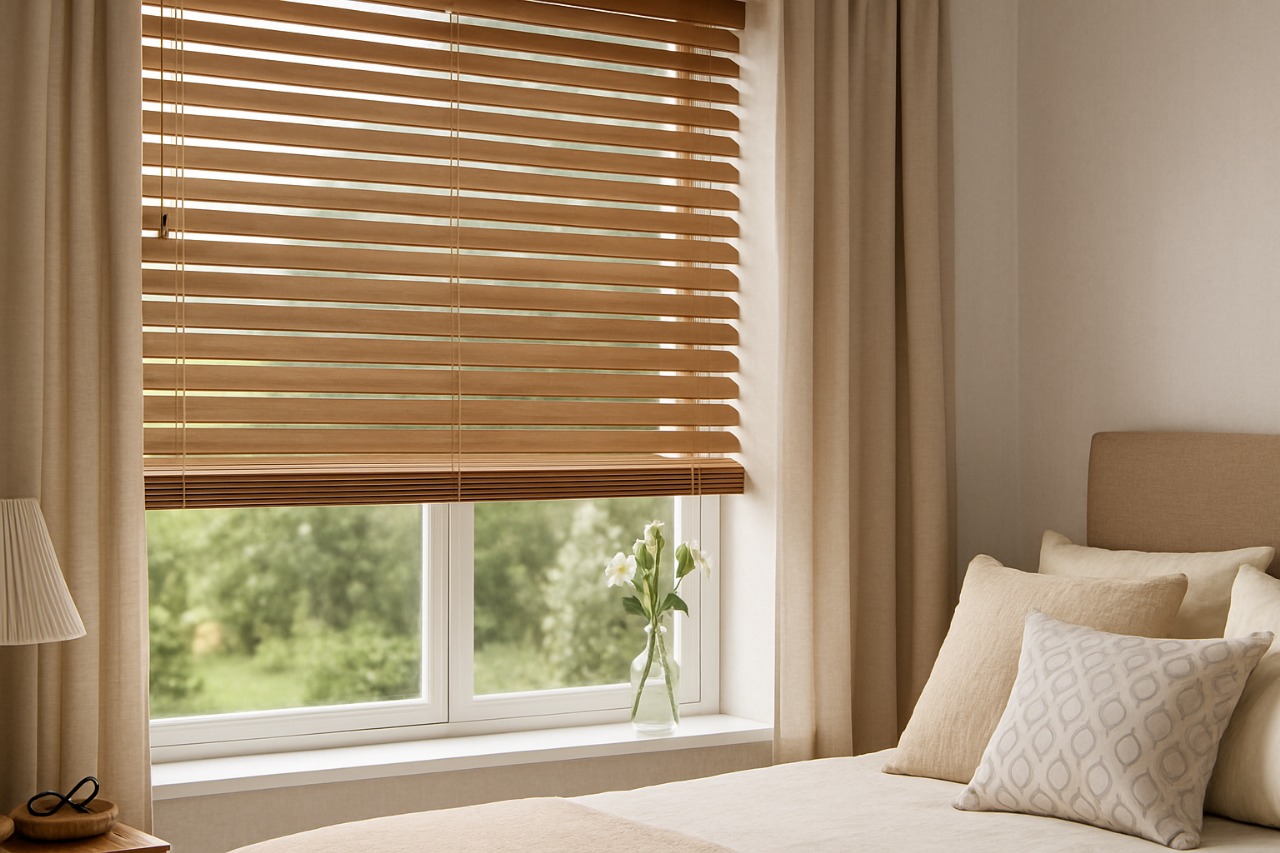
- Venetian (horizontal) blinds: allow precise light control but often use cords — opt for cordless variants.
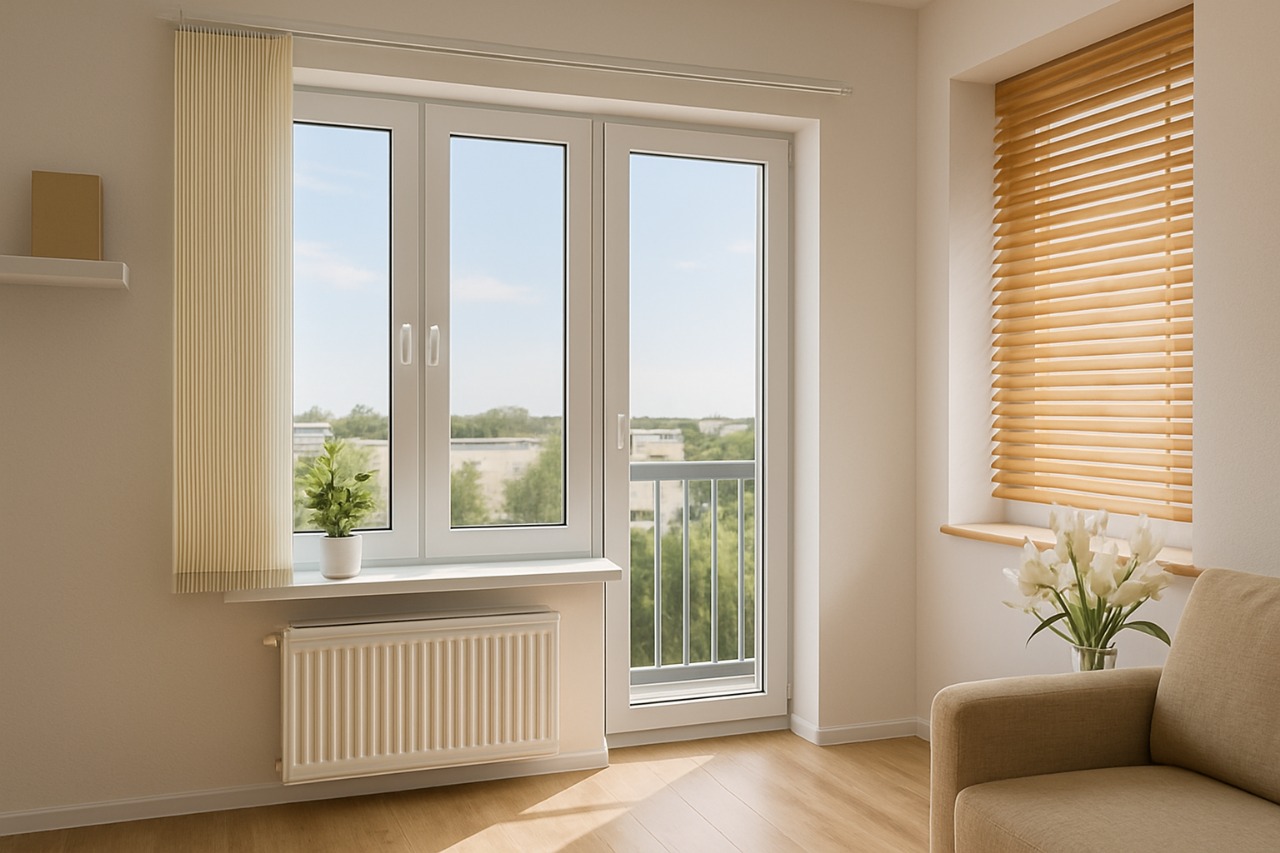
- Vertical blinds: work well for large windows or balcony doors, less ideal for play areas.
- Roman blinds: decorative and comfortable, best with blackout lining for bedrooms.
- Cellular (honeycomb) blinds: offer thermal insulation and sound dampening.
- Bamboo/fabric shades: natural look but can hold dust; choose treated fabrics.
Safety: cords, fittings, certifications
The golden rule — no loose cords within a child's reach.
- Choose cordless systems (spring, cassette, motorized) when possible.
- If chains/cords are used, install cord cleats high and out of reach, and use tension devices.
- Motorized blinds with remote or timer eliminate cord hazards entirely.
- Check for safety certifications and child-safe design labels.
Light control and sleep
- Blackout blinds or a combination of thin blinds with heavy curtains work best for daytime naps.
- Adjustable light control helps create a comfortable environment for both play and rest.
- Warm neutral tones are soothing in the evening; avoid cool bright colors before sleep.
Materials and care
- Fabric blinds can be washable or treated with stain-resistant coatings; prefer anti-static, dust-repellent options.
- Aluminum/PVC slats are durable and easy to wipe clean but feel cooler to the touch.
- Cellular blinds are vacuum-friendly and spot-cleanable.
- Avoid harsh chemicals; use a soft cloth or gentle detergent per manufacturer's instructions.
Installation and measuring
- Measure depth and height: inside-mount gives a neat look, outside-mount adds better blackout.
- Ensure blinds don’t interfere with window operation or nearby furniture.
- For large windows, consider sectional blinds and reinforced fittings.
Color and design
- For babies: soft pastels and muted tones.
- For toddlers and teens: add accents, but keep sleep areas understated.
Budget and warranty
- Simple roller blinds are cost-effective and practical.
- Cellular and motorized solutions cost more but offer energy savings and convenience.
- Always check warranty terms for mechanisms and fabrics.
Frequently Asked Questions (FAQ)
1. Which blinds are safest for a child's room?
Cordless roller blinds or motorized systems are safest. If cords are present, use cleats and tension devices to keep them inaccessible.
2. Is blackout necessary for daytime naps?
Yes — blackout fabrics or a combination of blinds and curtains significantly improve daytime sleep quality for infants and young children.
3. How often should blinds be cleaned?
Light dusting weekly and deeper cleaning every few months is advisable. Follow the manufacturer’s care instructions for fabric blinds.
4. Is motorization worth it?
Motorization increases safety and convenience, especially for hard-to-reach or large windows. It is more expensive but reduces cord-related risks.
5. What colors should I choose?
Soft, warm neutrals promote relaxation. Use brighter accents in play areas, but avoid high-contrast patterns near sleeping spaces.
6. Can I install blinds myself?
Small roller blinds are often DIY-friendly, but professional installation is recommended for motorized systems and large windows to ensure safety and correct operation.
For personalized advice and window measurement, contact DK-Logi — we provide safe, certified solutions and professional installation for children's rooms.
DK-Logi blog topics and categories
Useful articles about PVC windows, blinds, and practical advice for your home.


GET A FREE WINDOW COST ESTIMATE!
Leave a request, and we will contact you to arrange a free measurement and provide a full cost estimate.
Your name
Your phone number *
Your e-mail
File
Choose file
Comment (e.g., window sizes, quantity, preferred profiles)
2025 © All rights reserved