WINDOWS


Date added: 10.07.26
Blinds with automatic control
Blinds with automatic control
Motorized blinds are a modern way to add convenience, security and energy efficiency to homes and offices. With motors built into roller tubes or profiles, blinds can open and close at the touch of a button, by schedule, or in response to light and weather sensors. This article explains the benefits, types of motorized blinds, control options, and practical tips for selection and installation.
Summary
- What motorized blinds are and how they operate
- Main types: roller, Venetian, vertical, Roman and pleated blinds
- Power options: wired, battery, solar
- Smart home integration and app control
- Energy savings and interior protection
- Installation, maintenance and warranties
Why choose motorized blinds
- Convenience: operate multiple or hard‑to‑reach windows easily via remote, app or voice.
- Energy efficiency: automate shading to reduce heating and cooling loads.
- Interior protection: reduce UV exposure and prevent fabric fading.
- Security: scheduled operation creates presence simulation when you’re away.
Types of automated blinds
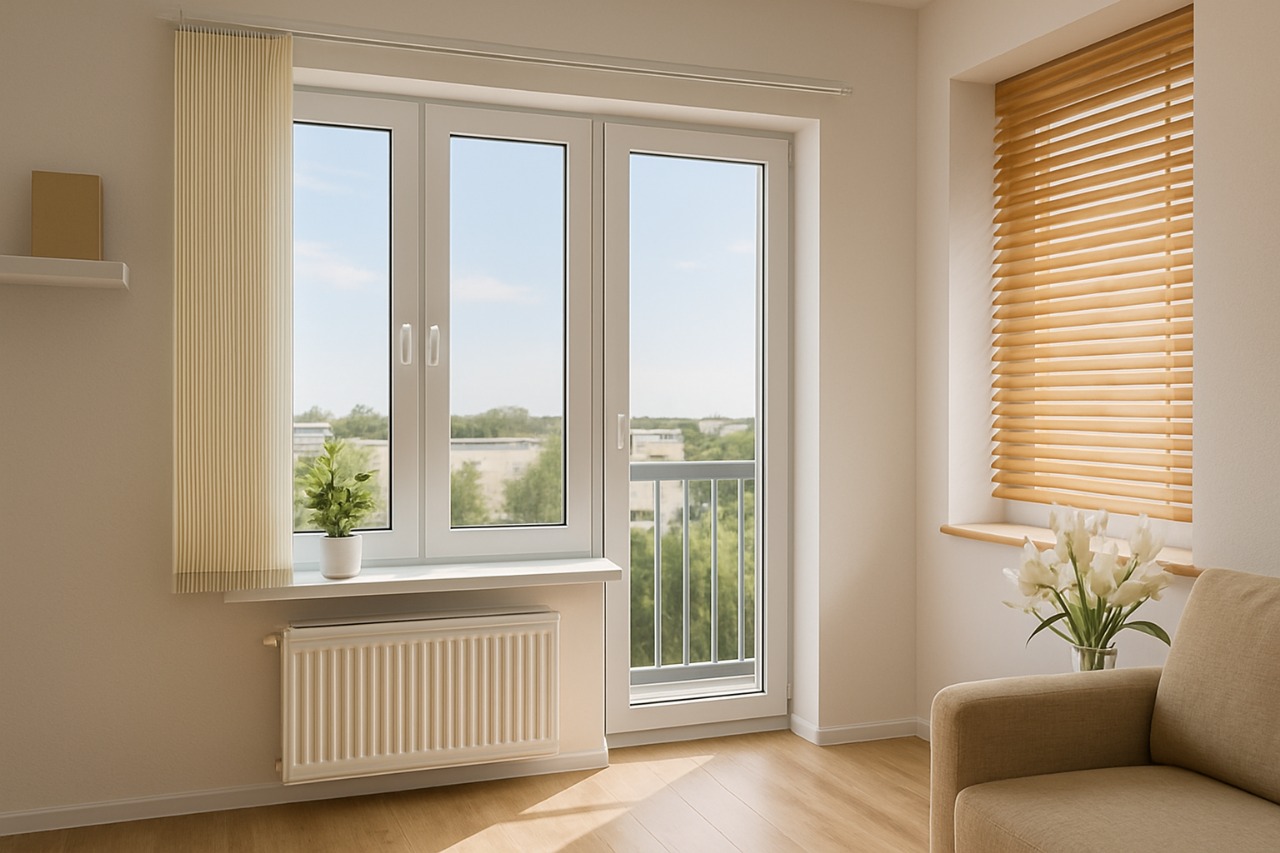
- Roller blinds: clean lines, ideal for modern interiors.
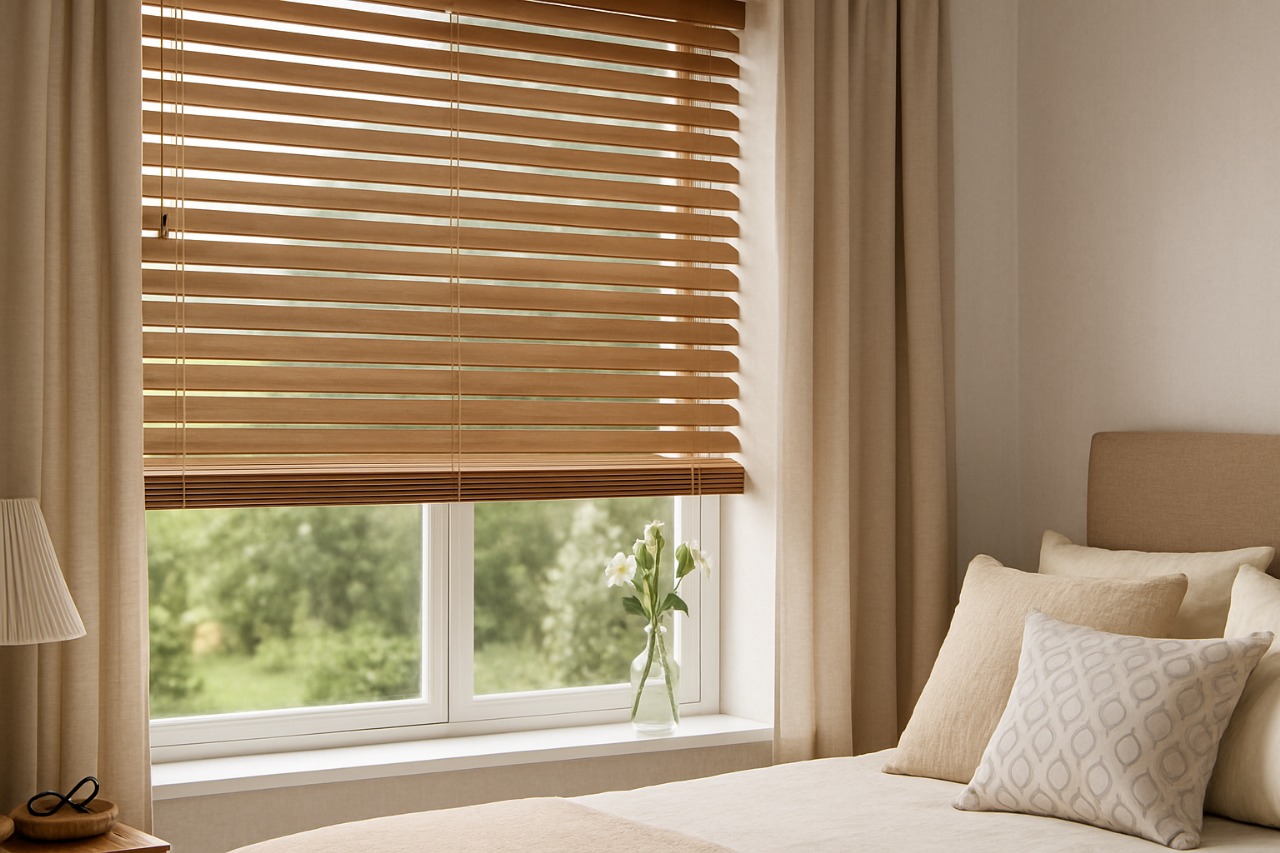
- Venetian and vertical blinds: flexible light control for offices and living rooms.
- Roman and pleated blinds: soft fabric look with motorized convenience.
- Exterior awnings and roller shutters: provide facade protection and improved insulation.
How automation works
The motor is integrated into the roller or blind profile. Control methods include:
- Wired systems (low voltage) — reliable and recommended for new installations.
- Wireless systems (radio remote, Wi‑Fi, Zigbee, Z‑Wave) — easy retrofit options.
- Battery or rechargeable motors — minimal installation work, months of autonomous operation.
- Solar panels — sustainable option for sun‑exposed windows.
Control and integration
- Remote control: simple and dependable.
- Mobile apps: schedule programming, group control, create scenes.
- Voice assistants: compatibility with Google Home or Alexa for hands‑free control.
- Sensors and scenes: integrate with light, wind or rain sensors for automatic responses.
Energy savings and safety
Automated blinds can significantly reduce energy consumption by controlling solar gain. Motorized systems also eliminate cords and chains, improving child and pet safety.
Installation and maintenance
- Professional installation ensures correct limits and secure mounting.
- Routine care: cleaning fabric and guides, checking batteries and fixings.
- Service and warranty: motors usually have separate warranties (2–5 years); check terms with the supplier.
Selection checklist
- Choose the blind type (roller, pleated, Venetian).
- Decide on power source (wired, battery, solar).
- Verify smart home compatibility.
- Check motor noise level and speed specifications.
- Confirm service availability and warranty.
- Budget: motorization typically increases the price by 20–60% depending on type.
Frequently Asked Questions
Q: Wired or battery power — which is better?
A: If you can run new wiring, wired systems are more reliable and maintenance‑free. Battery or rechargeable motors are ideal for retrofits and where wiring is impractical.
Q: Can motorized blinds be integrated into a smart home?
A: Yes. Many motors support Wi‑Fi, Zigbee or Z‑Wave for integration with apps, schedules and voice assistants.
Q: What happens during a power outage?
A: Wired systems may need backup power (UPS) to keep automated functions. Battery and solar models operate independently.
Q: Are motorized blinds noisy?
A: Modern motors are very quiet (approximately 30–40 dB). Choose low‑noise models for bedrooms and offices.
Q: Is maintenance complicated?
A: Maintenance is straightforward: cleaning and periodic checks. Complex repairs should be handled by certified service technicians.
If you’d like a tailored quote for your windows, provide measurements and preferred blind type, and we’ll suggest options with prices and installation timelines.
DK-Logi blog topics and categories
Useful articles about PVC windows, blinds, and practical advice for your home.


GET A FREE WINDOW COST ESTIMATE!
Leave a request, and we will contact you to arrange a free measurement and provide a full cost estimate.
Your name
Your phone number *
Your e-mail
File
Choose file
Comment (e.g., window sizes, quantity, preferred profiles)
2025 © All rights reserved