WINDOWS


Date added: 24.10.26
Can sashes be adjusted independently in series 119
Can sashes be adjusted independently in series 119
Short introduction
Windows in typical 119‑series apartments often need sash adjustment due to settling, temperature changes, or normal wear of the hardware. The question is whether a homeowner can safely perform adjustments or if a technician is required.
When DIY adjustment is reasonable
- Problems are limited to minor sagging, slight rubbing or a weak seal on closing.
- The hardware is intact (no broken parts or missing screws).
- You have basic tools: Allen key (usually 4 mm), Phillips screwdriver, pliers, silicone lubricant.
Note: If a sash won’t stay in position, falls, or there are cracks in the frame/profile — do not attempt DIY. Call a professional.
How the hardware works (brief)
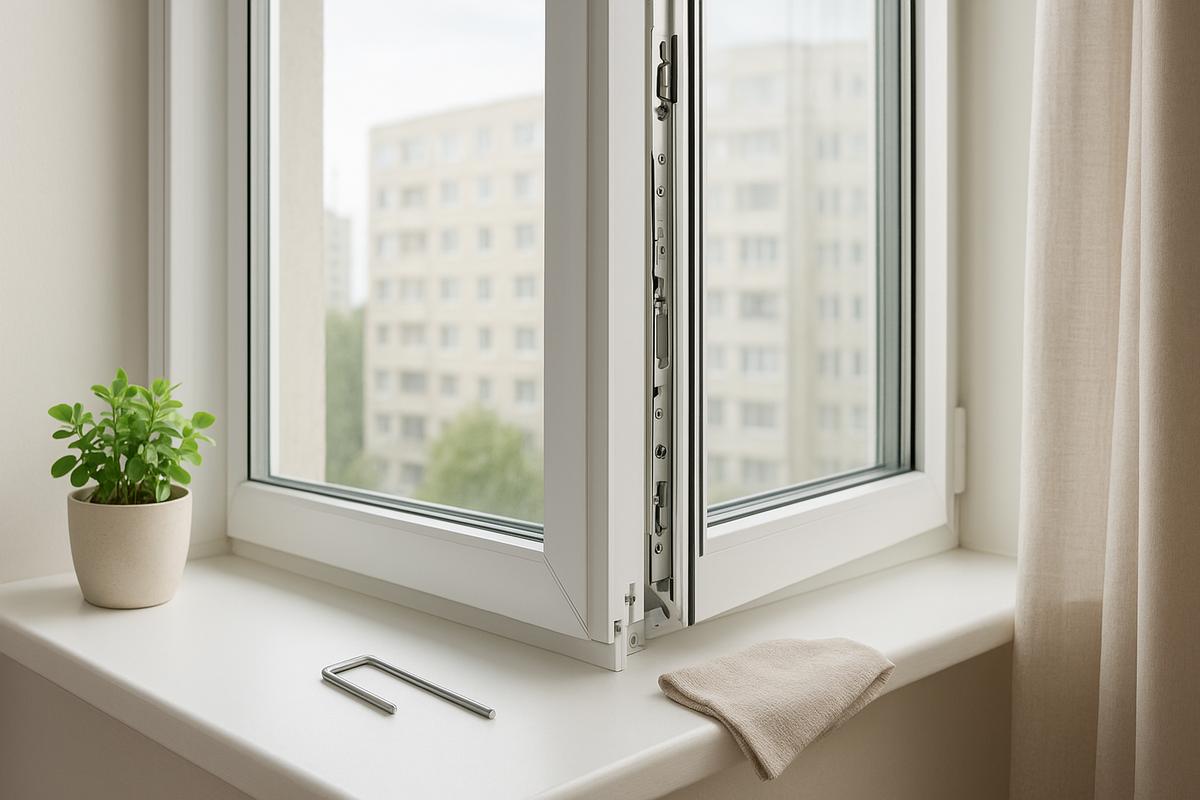
119 series refers to standard panel buildings where windows commonly use tilt‑and‑turn fittings with adjustment screws on hinges and strike plates. You can adjust in three directions:
- vertical (raise/lower sash),
- lateral (move sash inward/outward),
- compression/pressure (tightness when closed).
Step‑by‑step safe guide
- Inspect the hardware and frame for stripped screws, corrosion, or visible cracks.
- Locate adjustment screws: upper hinge (vertical), lower hinge (lateral), strike plate (compression).
- If present, disengage the micro‑lift and secure the sash in the tilted position before adjusting the lower hinge.
- Use the appropriate Allen key: clockwise typically raises the sash, counterclockwise lowers it. Make small turns.
- Adjust lateral screw in small increments to remove gaps between sash and frame.
- Adjust the strike plate screw to increase or decrease the seal/pressing force.
- Test operation in all positions (open, closed, tilt) and check for drafts using paper or by hand.
Tools and consumables
- Set of Allen keys (2.5–5 mm), commonly 4 mm.
- Phillips and flat screwdrivers.
- Silicone spray or grease for fittings (avoid oily lubricants).
- Cloth, gloves, and simple wedges to support the sash.
Common DIY mistakes
- Over‑tightening screws which can lock mechanisms or deform parts.
- Forcing the sash by hand — can damage the gasket or hinge bearings.
- Using improper lubricants (e.g., engine oil) that attract dirt and accelerate wear.
When to call a technician
- Visible damage to fittings or frame.
- Sash won’t stay fixed — risk of falling.
- Problems persist or worsen after DIY attempts.
- Rebuilding window geometry after structural repairs.
Maintenance tips
- Lubricate fittings once a year with silicone grease.
- Inspect fasteners and seals in spring and autumn.
- Make adjustments in small steps and recheck performance.
Conclusion
Sash adjustment in series 119 windows can be done by a competent homeowner for minor alignment and tightening issues. Proper inspection, the right tools, and cautious incremental adjustments are key. For structural damage or unsafe conditions, contact a professional technician.
FAQs (short)
- How long does adjustment take? Usually 15–40 minutes per sash.
- Can I adjust windows in winter? Yes, but avoid excessive compression changes that could damage seals.
- What does a technician charge? Prices vary depending on the complexity and necessary parts.
DK-Logi blog topics and categories
Useful articles about PVC windows, blinds, and practical advice for your home.



GET A FREE WINDOW COST ESTIMATE!
Leave a request, and we will contact you to arrange a free measurement and provide a full cost estimate.
Your name
Your phone number *
Your e-mail
File
Choose file
Comment (e.g., window sizes, quantity, preferred profiles)

2025 © All rights reserved