WINDOWS


Date added: 26.11.26
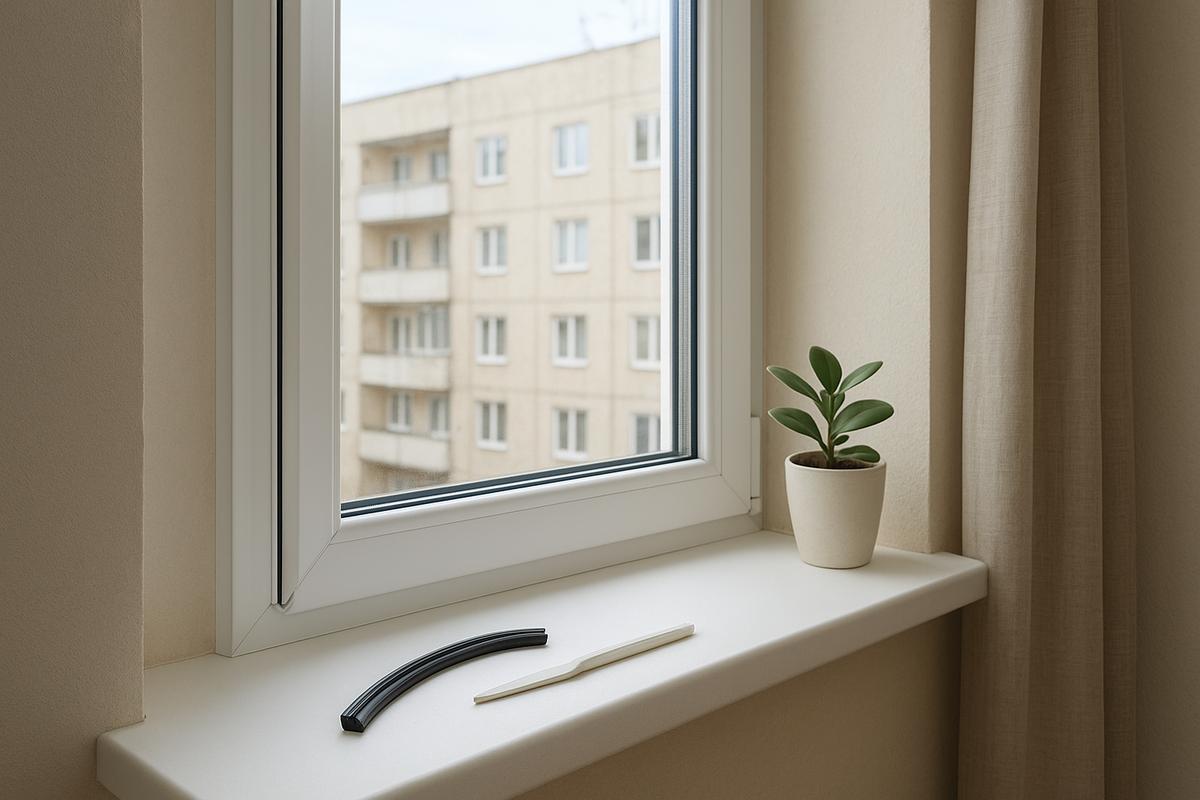
Can seals be replaced independently in the old Lithuanian project
Can seals be replaced independently in the old Lithuanian project
Introduction
Seal replacement is one of the most common maintenance tasks for PVC windows, especially in older Lithuanian project buildings (typical Soviet-era panel houses). With proper preparation and careful work, a DIY replacement is often feasible. This article covers seal types, tools, step-by-step replacement, common issues, and when to call a professional.
Why the seal matters
- The seal ensures airtightness, sound insulation and thermal performance.
- Over time rubber degrades, cracks and loses elasticity, causing drafts and heat loss.
- Old profiles may have non-standard grooves for seals, which is crucial when replacing them yourself.
Signs you need a new seal
- Cold air or drafts around the window.
- Condensation forming on frame joints.
- Visible cracks, flattening or detachment of the seal.
- Difficulty closing the sash or overly tight closure.
Types of seals
- EPDM (ethylene propylene diene monomer) — durable and temperature-resistant.
- TPE (thermoplastic elastomer) — similar properties to EPDM, common in modern systems.
- Sponge or cellular seals — soft, used for additional damping.
- Cord seals and adhesive tapes — sometimes used for temporary fixes.
Important: match the seal profile to the shape and width of the groove. Old Lithuanian profiles may differ from current standards.
Preparation: what you need
- New seal with the correct profile (measure the groove and old seal before buying).
- Cutting tool and rubber shears.
- Flat screwdriver and plastic wedge for removal.
- Isopropyl alcohol or mild cleaner to remove residues.
- Water-based silicone lubricant or special seal grease.
- Tape measure and marker.
- Adhesive for seals if required by the design.
Step-by-step replacement
- Inspect the frame and sash to identify the seal type and routing.
- Open the sash and carefully remove the old seal: pull the edge and pry with a flat screwdriver if needed. If it crumbles, remove fragments piece by piece.
- Clean the groove thoroughly from rubber crumbs and dirt; wipe with isopropyl alcohol.
- Fit the new seal: ensure the shape matches the groove and insert evenly around the perimeter.
- For corners, use a diagonal 45-degree cut or overlap method depending on the profile.
- Apply lubricant to the seal so it does not stick and to extend service life.
- Close and open the sash to check for even contact and absence of binding.
Specifics for old Lithuanian projects
- In older panel houses the profile may be worn or deformed; replacing the seal may not fully solve insulation issues.
- If the groove is too wide or lacks a retaining lip, use a seal with adhesive backing or seek professional modification.
- If an old seal is glued in tightly, gently soften it with a low-heat hair dryer to remove residues more easily.
When to call a professional
- The groove is damaged or missing the retaining edge.
- The frame is deformed or the sash is warped.
- Drafts persist after seal replacement — hardware adjustment or full profile replacement may be needed.
- You need a service guarantee or complex repair.
Time and cost estimates
- DIY replacement time for one window: 30–90 minutes depending on difficulty.
- Seal cost: from budget options to quality EPDM — roughly 3 to 12 EUR per running meter.
- Professional service: from about 20 EUR per window, varying by region and complexity.
Conclusion
Self-replacing a seal in an old Lithuanian project is often possible and cost-effective if you select the right profile, prepare the groove well and handle corners correctly. For damaged profiles, warped frames or persistent drafts, professional help is recommended.
FAQ
1. How do I determine the correct seal profile?
- Measure the groove width and depth and compare with samples at a store. Photograph the old seal and show it to the supplier.
2. Can I use adhesive instead of a groove-mounted seal?
- Adhesive seals are an option when the groove cannot hold a new seal, but are often a temporary fix and need good surface preparation.
3. Do I need to remove the insulating glass unit to replace the seal?
- Usually no. Removing the IGU is only required for major frame repairs.
4. How to make neat corners?
- Make 45-degree diagonal cuts for a tight joint, or overlap according to the seal shape.
5. How long does a new seal last?
- A good EPDM seal can last 8–15 years depending on conditions.
6. Is it advisable to replace seals in winter?
- You can, but elastomers become less elastic in cold weather. Best performed between +10 and +25°C.
Quality check after replacement
- Test with a sheet of paper: close the sash with the paper between frame and sash, then pull. If it comes out easily, there is a gap.
- Check for uniform compression along the entire perimeter.
DK-Logi blog topics and categories
Useful articles about PVC windows, blinds, and practical advice for your home.

GET A FREE WINDOW COST ESTIMATE!
Leave a request, and we will contact you to arrange a free measurement and provide a full cost estimate.
Your name
Your phone number *
Your e-mail
File
Choose file
Comment (e.g., window sizes, quantity, preferred profiles)
2025 © All rights reserved