WINDOWS


Date added: 02.12.25
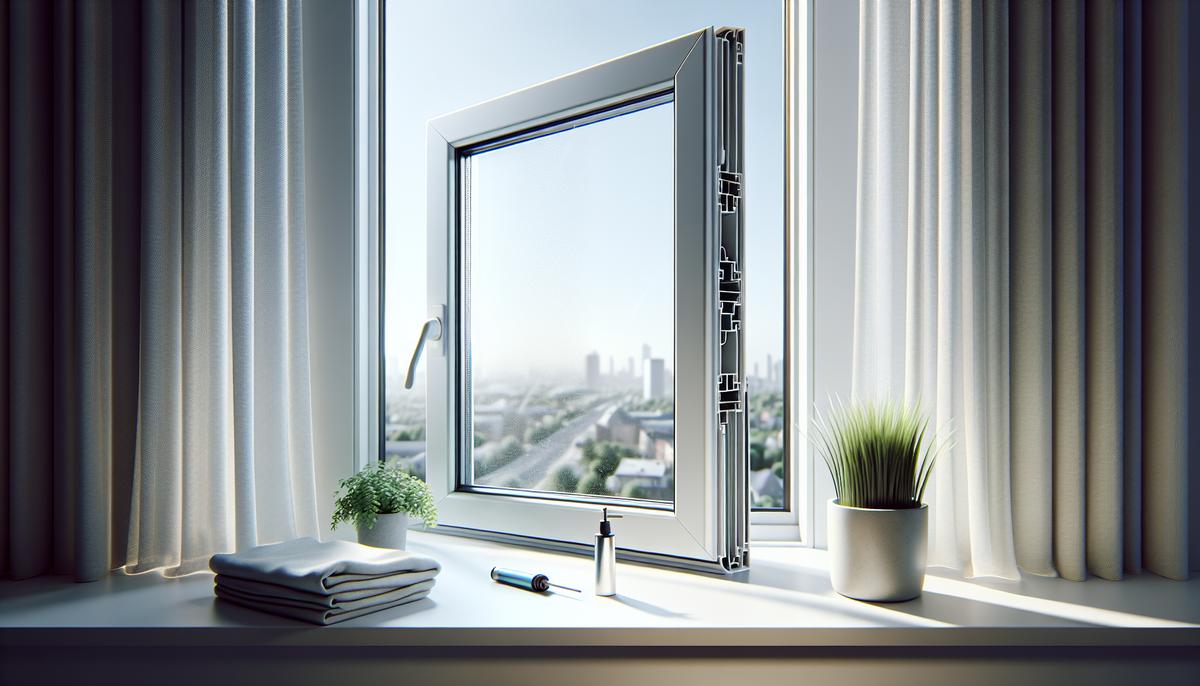
Caring for rubber window seals
Why caring for rubber window seals matters
Rubber seals (gaskets) are responsible for window airtightness in PVC windows: they prevent drafts, heat loss, moisture penetration and dust. Over time rubber loses elasticity, cracks, and becomes dirty, reducing performance. Regular care extends the seal life and prevents costly repairs or replacements.
Types of seals and how to recognize them
- EPDM (ethylene propylene diene monomer) — common and resistant to ozone and UV.
- Silicone seals — very elastic and heat-tolerant.
- Nitrile or neoprene — less common in residential windows.
If unsure about the type, consult the window manufacturer's documentation or product passport.
Maintenance frequency
- Visual inspection — once every 1–2 months.
- Cleaning and lubrication — twice a year (spring and autumn).
- Additional treatment before winter in colder climates.
Early detection of issues prevents drafts and condensation problems.
Tools and materials needed
- Soft cloth or microfiber.
- Warm water with a mild detergent (soap or neutral cleaner).
- Isopropyl alcohol (for grease removal).
- Silicone lubricant for seals (spray or gel) or a dedicated rubber care product.
- Soft-bristled brush for stubborn dirt.
- Paper towels.
Important: Do not use petroleum-based solvents (kerosene, petrol, harsh degreasers) — they damage rubber.
Step-by-step cleaning and lubrication
- Inspect the seal for cracks, dirt build-up or compressed areas.
- Open the sash and wipe the seal with a dry soft cloth to remove dust.
- Use warm soapy water on a cloth to gently clean the seal along its length.
- For stubborn grime, use a soft brush — avoid abrasive cleaners.
- Remove grease spots with isopropyl alcohol, then dry immediately.
- Let the seal air dry completely.
- Apply a thin layer of silicone lubricant: spray from a distance or rub gel on with a cloth. The lubricant restores elasticity and repels moisture.
- Wipe off excess and close the sash to check the seal contact.
What to avoid
- Do not use oil-based or petroleum products (oil, WD‑40, kerosene).
- Do not stretch or cut the seal unnecessarily.
- Do not dry seals with a hairdryer or expose them to direct hot sunlight — high temperatures accelerate aging.
Signs that a seal needs replacement
- Deep cracks or peeling.
- Persistent drafts, cold spots, or condensation issues that cannot be fixed by cleaning.
- Severe deformation and loss of elasticity.
Replacing a seal is usually straightforward for a technician. With proper maintenance, replacements are needed much less often.
Winter tips
- Treat seals with silicone lubricant before freezing temperatures arrive.
- Avoid pouring hot water to de-ice seals — it can deform them.
- If a seal is frozen to the frame, gently thaw it with warm (not hot) water and reapply lubricant.
FAQ — quick answers
-
Q: Can I use petroleum jelly on seals?
A: No. Petroleum jelly and mineral oils degrade rubber. -
Q: What is the typical lifespan of a seal?
A: Generally 5–15 years depending on material, exposure and care. -
Q: Can I replace a seal myself?
A: Yes, if you have the right profile and skills, but professional replacement is recommended for warranty and quality. -
Q: Will silicone lubricant attract dust?
A: Quality silicone products do not leave sticky residues and should not attract dust when applied correctly.
Final recommendations
A simple routine — regular inspection, gentle cleaning and biannual silicone treatment — will keep rubber seals performing well, improve energy efficiency and reduce the need for repairs. Contact DK-Logi professionals for diagnostics and replacement when needed.
DK-Logi blog topics and categories
Useful articles about PVC windows, blinds, and practical advice for your home.




GET A FREE WINDOW COST ESTIMATE!
Leave a request, and we will contact you to arrange a free measurement and provide a full cost estimate.
Your name
Your phone number *
Your e-mail
File
Choose file
Comment (e.g., window sizes, quantity, preferred profiles)

2025 © All rights reserved