WINDOWS


Date added: 22.06.26
Common mistakes when choosing blinds
Common mistakes when choosing blinds
Choosing blinds may seem straightforward: pick a color, measure the window, and install. In reality, wrong decisions lead to poor light control, lack of privacy, fast wear, or an interior mismatch.
Why avoiding mistakes matters
Blinds perform multiple functions: light regulation, privacy, glare and heat control, and they influence acoustics and room aesthetics. A wrong choice often ends in reorders and extra costs.
Typical mistakes and how to avoid them
-
Incorrect measurement
- Mistake: measuring only the frame width or a single point. Result: gaps, poor coverage, or interference with opening.
- Tip: measure width and height at several points and note recess depth. If unsure, order a professional measurement.
-
Choosing the wrong type of blind
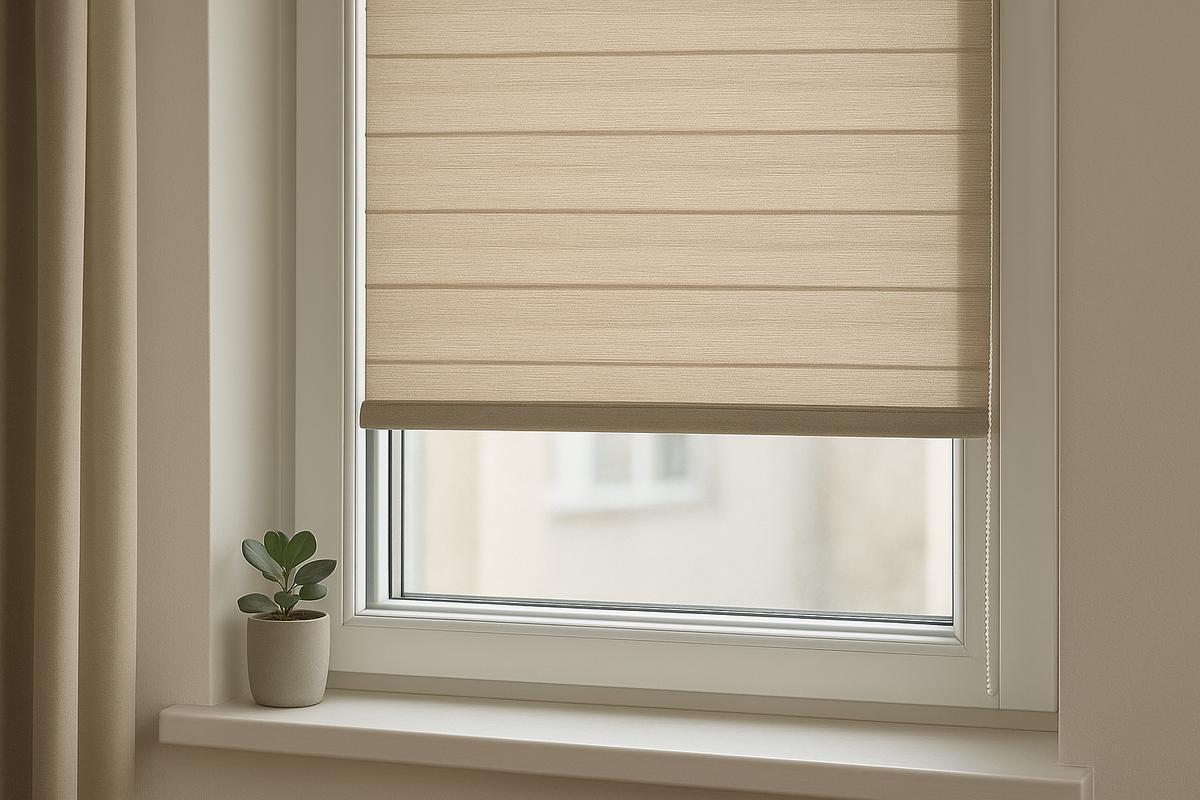
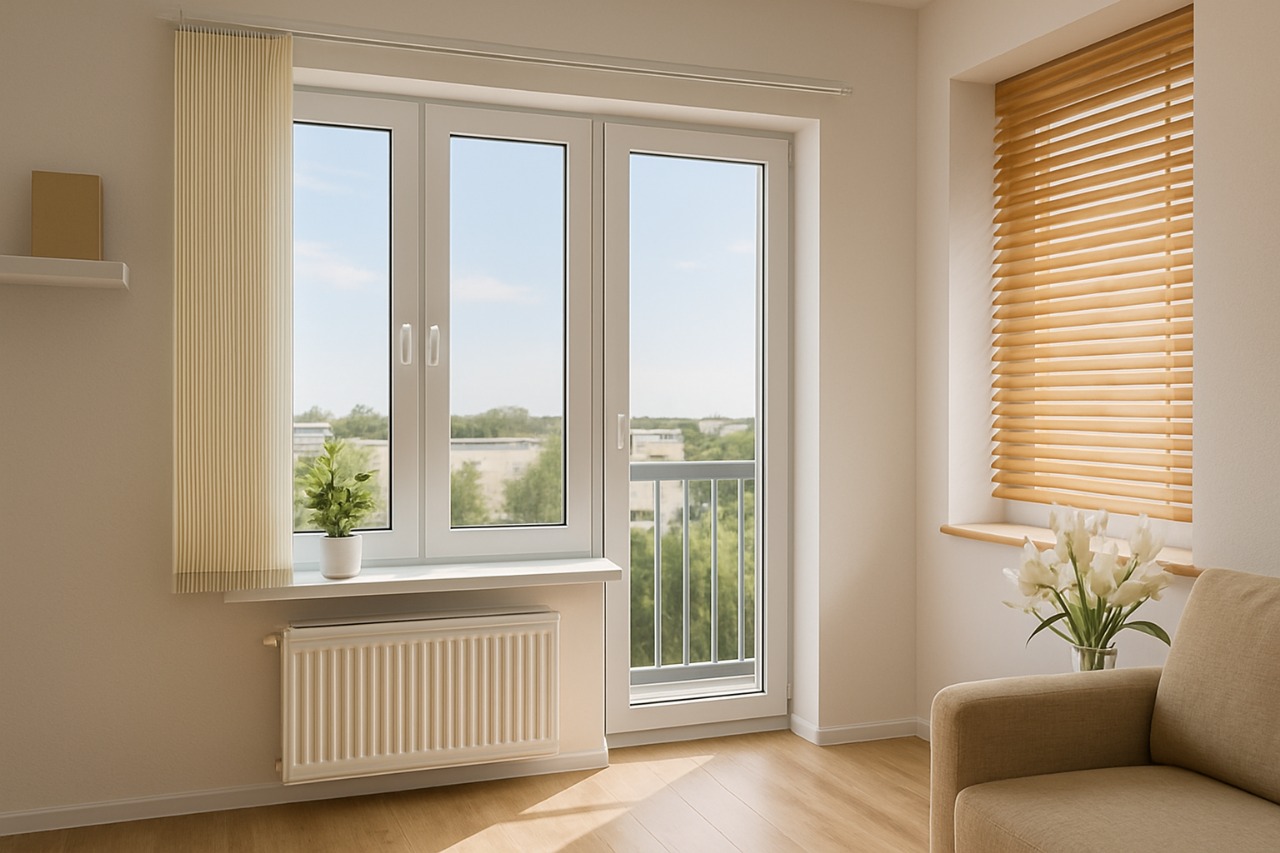
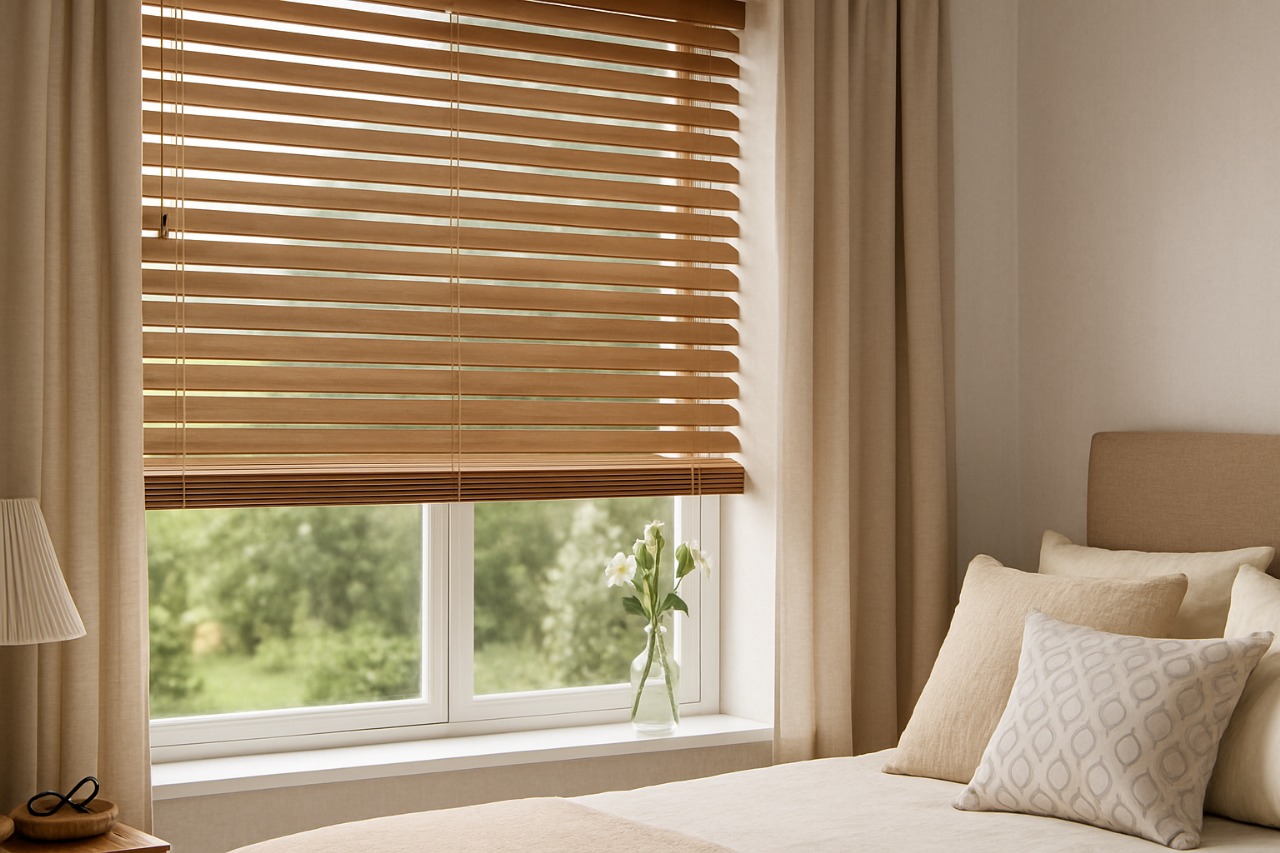
- Mistake: selecting only by price or trend. Each type—roller, vertical, Venetian, Roman, bamboo—has its pros and cons.
- Tip: match the blind type to the room function. Blackout rollers or pleated blinds for bedrooms; moisture-resistant materials for kitchens and bathrooms.
-
Ignoring light direction and opacity
- Mistake: choosing a fabric that lets through more light or heat than intended.
- Tip: check light transmission and thermal properties, especially for south-facing windows.
-
Poor color and texture choice
- Mistake: following a trend without checking the room’s palette. The wrong color can clash or make the space feel smaller.
- Tip: view swatches in daylight and select neutral or coordinating tones.
-
Overlooking fixing options
- Mistake: assuming all windows allow the same mounting. Some profiles cannot support inside mounting.
- Tip: confirm internal or external mount feasibility for your window type.
-
Neglecting child and pet safety
- Mistake: leaving cords or chains exposed, creating hazards.
- Tip: opt for cordless systems or install safety devices for chains and cords.
-
Picking an unsuitable control mechanism
- Mistake: not considering motorization for large or hard-to-reach windows.
- Tip: consider motorized drives for convenience and extended lifespan.
-
Underestimating maintenance and durability
- Mistake: choosing the cheapest fabric that fades or deforms with moisture.
- Tip: check care instructions: washable, wipeable, or dry-clean only, and UV resistance.
Practical pre-purchase checklist
- Measure width and height in three places and note recess depth.
- Define primary function: blackout, light diffusion, privacy, decoration.
- Choose material and fabric based on light control and maintenance needs.
- Decide on internal vs external mounting.
- Ensure child-safe options (cordless or safety fittings).
- Consider motorization for large or high windows.
- Compare guarantees and service conditions.
Frequently asked questions
Which system is best for a bedroom?
For full darkening, choose blackout roller blinds or pleated blinds with blackout lining. Roman blinds are decorative but may not block all light.
Can I install blinds myself?
Simple rollers and basic venetians can be DIY projects if measurements and tools are correct. For complex windows or large installations, hire professionals.
How to maintain blinds?
Regularly dust with a brush or vacuum with a soft nozzle. Wipe metal and plastic slats with a damp cloth. Fabric blinds may require gentle washing or spot cleaning per the manufacturer's instructions.
Should I prioritize color or function?
Function comes first. If the blind doesn’t fulfill its main purpose (darkening, privacy), the color won’t fix it. Choose function, then color.
Key rule: select blinds based on technical requirements and window conditions, not just pictures. A correct initial choice saves time and money.
Conclusion
Careful measurement, the right choice of type and fabric, safe mounting, and proper maintenance are the pillars of a successful blinds purchase. Use the checklist to avoid common mistakes and get a durable, functional, and attractive solution for your windows.
DK-Logi blog topics and categories
Useful articles about PVC windows, blinds, and practical advice for your home.


GET A FREE WINDOW COST ESTIMATE!
Leave a request, and we will contact you to arrange a free measurement and provide a full cost estimate.
Your name
Your phone number *
Your e-mail
File
Choose file
Comment (e.g., window sizes, quantity, preferred profiles)

2025 © All rights reserved