WINDOWS


Date added: 21.04.26
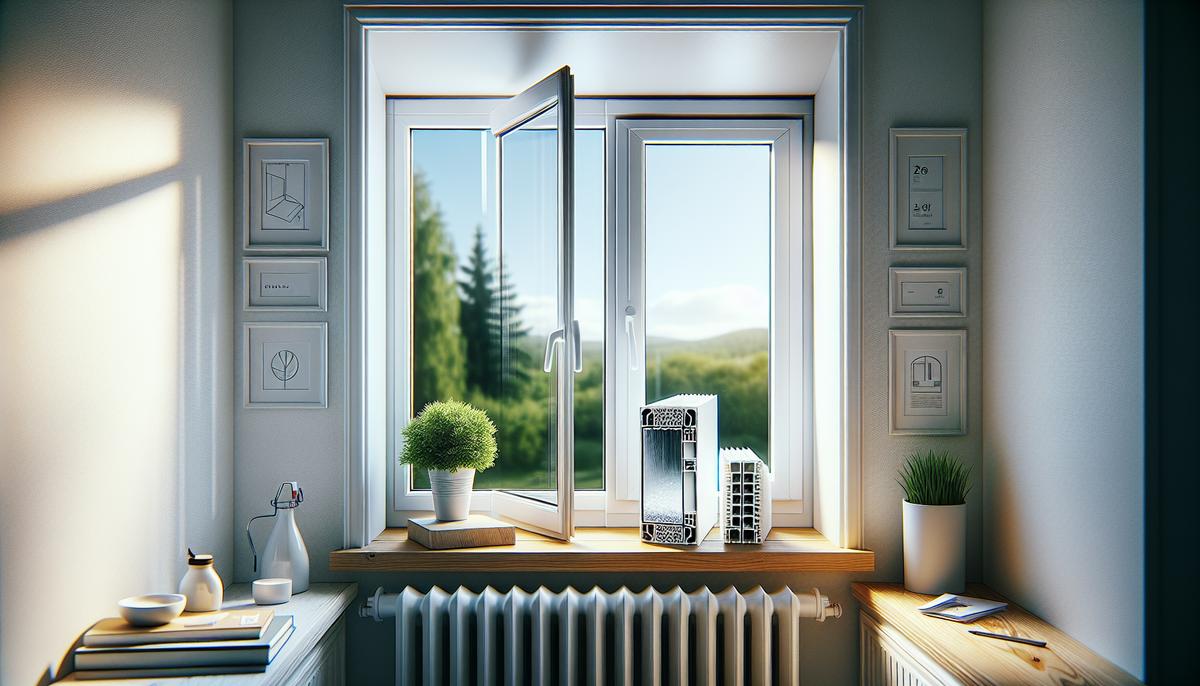
Comparison of single- and double-glazed units
Comparison of single- and double-glazed units
What is a glazed unit
A glazed unit (insulated glass unit, IGU) consists of two or more glass panes separated by spacer bars and hermetically sealed. A single‑chamber unit has two panes and one air (or gas) gap; a double‑chamber unit has three panes and two gaps. Gaps are often filled with dry air or inert gases (argon, krypton) to improve thermal and acoustic performance.
Construction and how it works
- Single‑chamber unit: two glass panes + one inter-glass gap (commonly 12–16 mm).
- Double‑chamber unit: three glass panes + two gaps (commonly totaling 24–36 mm).
More chambers reduce heat transfer by providing a thicker layer of still gas and extra resistance to convection.
Thermal performance and energy savings
- Double‑chamber units generally deliver better insulation: less heat loss in winter and reduced solar gain in summer.
- Single‑chamber units can be suitable for warm climates, secondary rooms, or when budget constraints apply.
Sound insulation
- Double‑chamber units usually provide improved sound reduction, especially if glass thickness varies between panes or laminated glass is used.
- For high-noise streets, specialized laminated or acoustic IGUs are recommended.
Condensation and humidity
- With correct spacer sizing and quality sealing, condensation on the inner surfaces is minimized. Double‑chamber units reduce the risk of inner surface frost.
- Proper ventilation of the room remains crucial; IGUs cannot compensate for excessive indoor humidity.
Weight, frame load and hardware
- Double‑chamber units are heavier; the frame profile and fittings must match the increased load.
- Replacing an old unit with a heavier IGU may require a stronger profile or reinforced hardware.
Security and durability
- Number of chambers alone doesn't determine break-in resistance: tempered, laminated, or multi-layer security glasses and robust hardware matter most.
- Double‑chamber units add complexity, but security depends on glass type and locking systems.
Cost and payback
- Single‑chamber IGUs are cheaper to produce and install. Double‑chamber units cost more, but lower heating bills and improved comfort often justify the investment.
- Payback depends on local climate, energy prices, building insulation and installation quality.
Recommendations: when to choose which
- Choose single‑chamber IGUs for budget projects, warm locations, balconies or interior partitions.
- Choose double‑chamber units for living rooms, apartments in cold climates, or where noise reduction and energy efficiency are priorities.
Inspection and installation tips
- Check spacer widths and whether gas fill (argon) is specified.
- Inspect frame compatibility, seals and edge sealing quality.
- Professional installation is key: incorrect installation undermines even the best IGU performance.
Frequently Asked Questions (FAQ)
Q: How much heat loss reduction can I expect from a double‑chamber unit versus a single‑chamber?
- A: Typical reductions are in the range of 15–30% depending on glass thickness, gap widths and gas filling. Exact values require U‑value calculations for your window.
Q: Will a double‑chamber IGU eliminate window condensation?
- A: Not entirely — proper ventilation and humidity control are necessary. However, double‑chamber IGUs reduce interior surface chill and the likelihood of frost.
Q: Do I need different hardware for a double‑chamber unit?
- A: Often yes. Heavier glazing benefits from reinforced hinges and hardware rated for the increased weight, especially on larger sashes.
Q: What is the service life of modern IGUs?
- A: With quality seals and proper installation, modern IGUs last 20–30 years or more. Edge seal failure is the most common issue over time.
Q: Can I retrofit acoustic improvement without replacing the IGU?
- A: Some improvements are possible (adding secondary glazing, laminated panes), but in many cases replacing to a double‑chamber or special acoustic IGU yields better results.
Conclusion
The choice between single‑ and double‑chamber glazed units should balance climate, acoustic needs, frame capacity and budget. For colder climates and noisy locations, double‑chamber IGUs are usually the better investment. Always verify product specs and rely on professional measurement and installation to achieve the declared performance.
DK-Logi blog topics and categories
Useful articles about PVC windows, blinds, and practical advice for your home.



GET A FREE WINDOW COST ESTIMATE!
Leave a request, and we will contact you to arrange a free measurement and provide a full cost estimate.
Your name
Your phone number *
Your e-mail
File
Choose file
Comment (e.g., window sizes, quantity, preferred profiles)

2025 © All rights reserved