WINDOWS


Date added: 13.11.26
Frequently asked questions about insulating small-family houses
Frequently asked questions about insulating small-family houses
Insulating small-family apartments is a common renovation task. The right approach reduces heat loss, improves comfort and cuts heating bills. This guide provides practical recommendations and answers to the most frequent questions residents ask.
Why insulation matters for small-family apartments
- These apartments often have thin walls, old window units and imperfect ventilation, leading to drafts and significant heat loss.
- Proper insulation improves soundproofing and reduces condensation risks on cold surfaces.
Main areas of insulation
- Windows and balcony units
- Sealing door and window gaps, finishing slopes
- Wall insulation: external or internal
- Floor and ceiling insulation
- Ventilation and humidity control
Priority advice: start with windows and sealing, then move to walls and floors. Always consider ventilation — high airtightness without fresh air is harmful.
Practical recommendations
Windows and glazing
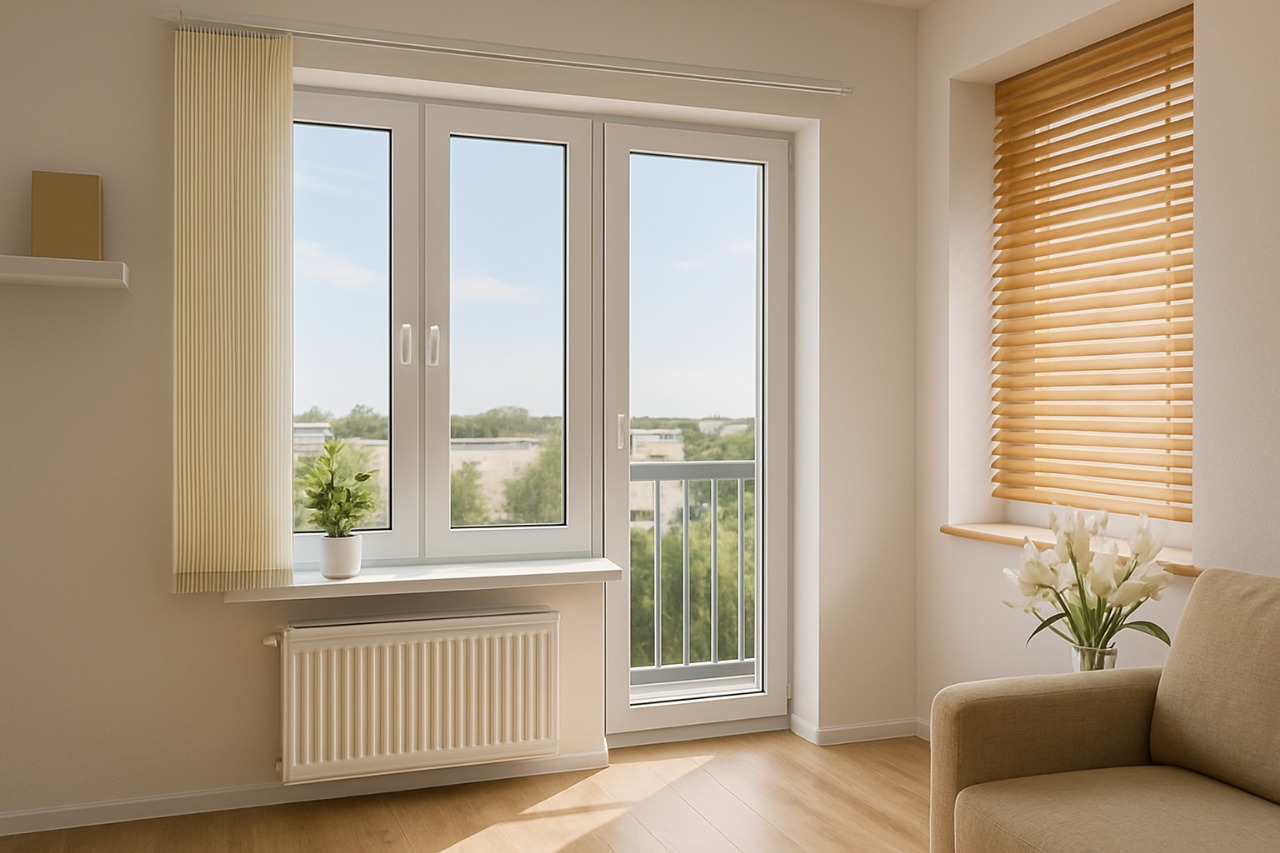
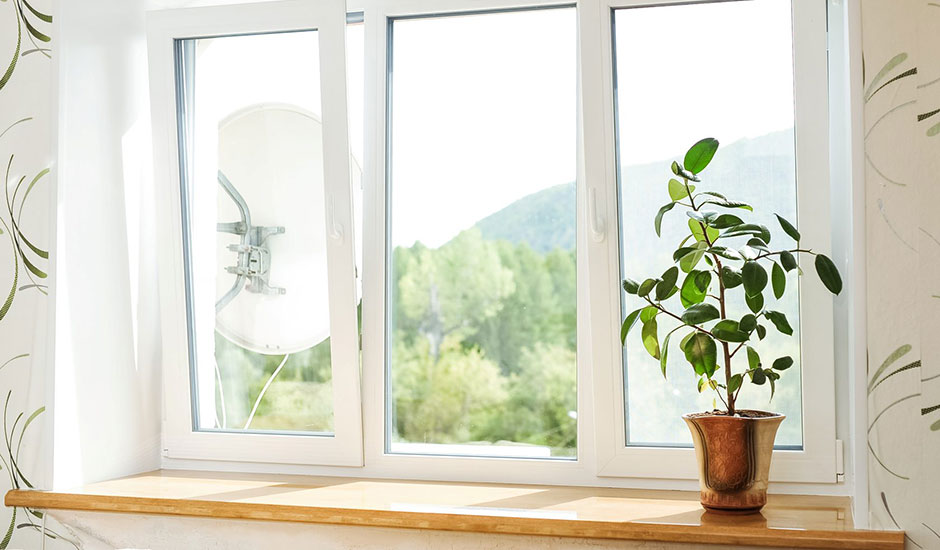
- PVC windows with a two-chamber insulating glass unit and a quality profile significantly reduce heat loss. For small apartments, an energy-efficient profile and low-E glass are usually sufficient.
- Proper sealing and installation of windowsills and slopes is crucial. Poor slopes create cold bridges.
Gaskets and sealing
- Use silicone sealants and polyurethane foam to fill gaps. The foam must be heat-resistant; remove excess carefully.
- Rubber gaskets around sashes reduce drafts and prolong window life.
External vs internal wall insulation
- External insulation is preferable: it keeps structural elements warm and prevents wall freezing.
- Internal insulation is possible but reduces living area and requires careful vapor and moisture control to avoid mold.
Floor and ceiling insulation
- Insulating the floor is effective if there is a cold basement or technical room below.
- Attic or ceiling insulation often uses mineral wool or cellulose. Proper vapor and moisture barriers are essential.
Ventilation and moisture
- Once the apartment is insulated, it becomes more airtight, so mechanical or organized ventilation is needed.
- Control humidity with regular airing, bathroom and kitchen extractors, and avoid blocking vents.
Costs and timelines
- Window replacement: from one day to a week depending on complexity.
- Facade insulation: several days to two weeks for a standard apartment.
- Internal works: usually 2–7 days.
- Costs depend on materials, removal of old finishes, access to the facade, and permit requirements.
Do I need permits?
- Internal works typically do not require permits. External facade changes often require approval from housing authorities or the municipality.
FAQ
1. Will insulating my apartment make it colder for the downstairs neighbor?
No. Insulating your apartment limits heat loss to the outside and does not worsen insulation for neighbors when done correctly.
2. Is internal wall insulation safe?
It can be, but you must install proper vapor and moisture barriers to prevent condensation and mold.
3. Which insulation is best for small apartments?
Mineral wool and expanded polystyrene are common. Mineral wool is fire-resistant and breathable; polystyrene is cheaper and easier to install.
4. Should I replace old windows with PVC ones?
Yes. Modern PVC windows with energy-efficient glazing reduce heat loss and noise. Pay attention to correct installation.
5. How to avoid ventilation problems?
Install trickle vents or a mechanical ventilation system, use extract fans, and ventilate regularly.
6. Which is cheaper: external or internal insulation?
Internal insulation is cheaper short-term, external insulation is more effective long-term and prevents wall freezing.
7. How to care for new windows?
Clean seals, lubricate hardware, and check joints for gaps periodically.
Conclusion
Insulating a small-family apartment requires choosing the right materials, precise installation and attention to ventilation. Start with windows and seals, then move to walls and floors. Consult professionals for heat-loss calculations to optimize cost and performance.
DK-Logi blog topics and categories
Useful articles about PVC windows, blinds, and practical advice for your home.



GET A FREE WINDOW COST ESTIMATE!
Leave a request, and we will contact you to arrange a free measurement and provide a full cost estimate.
Your name
Your phone number *
Your e-mail
File
Choose file
Comment (e.g., window sizes, quantity, preferred profiles)

2025 © All rights reserved