WINDOWS


Date added: 25.09.26
Frequently asked questions about sound insulation
Frequently asked questions about sound insulation
Noise is one of the most common sources of discomfort in urban homes. Proper windows and complementary measures can reduce noise levels by many decibels and significantly improve living comfort.
Why does noise enter through windows?
- Loose joints and worn seals.
- Single glazing or an old insulating glass unit.
- Thin profile or poor installation (gaps, misalignment).
- Air gaps from ventilation, trickle vents or vents.
Important: sound travels not only through glass — the frame, seals and installation gap can let a large portion of sound energy through.
How do windows affect sound insulation?
- Glass unit: thickness and number of chambers matter most. Using different glass thicknesses is more effective against a broad frequency range.
- Profile: a wider, stiffer profile improves sound insulation.
- Seals: quality rubber or silicone seals minimize leakage.
- Installation: proper installation with correctly filled gaps and sealing is crucial for performance.
Which glazing units should I choose?
- A double-glazed unit with different glass thicknesses (e.g., 4/16/6) often performs better than two identical panes.
- Laminated glass reduces sound transmission in the mid-frequency range.
- Acoustic glazing units have special interlayers and constructions that provide a noticeable improvement.
What matters more: glass or profile?
Both are important. Glass determines the primary sound reduction by mass, while the profile and seals provide airtightness and reduce leaks. Poor installation can negate the benefits of an expensive glazing unit.
Additional measures to reduce noise
- Heavy curtains or acoustic wall panels.
- Sound-insulating reveals and window sills.
- Installing a secondary inner sash (secondary glazing) to create an air cavity.
- Replacing ventilation grilles with noise-reducing alternatives or adding silencers.
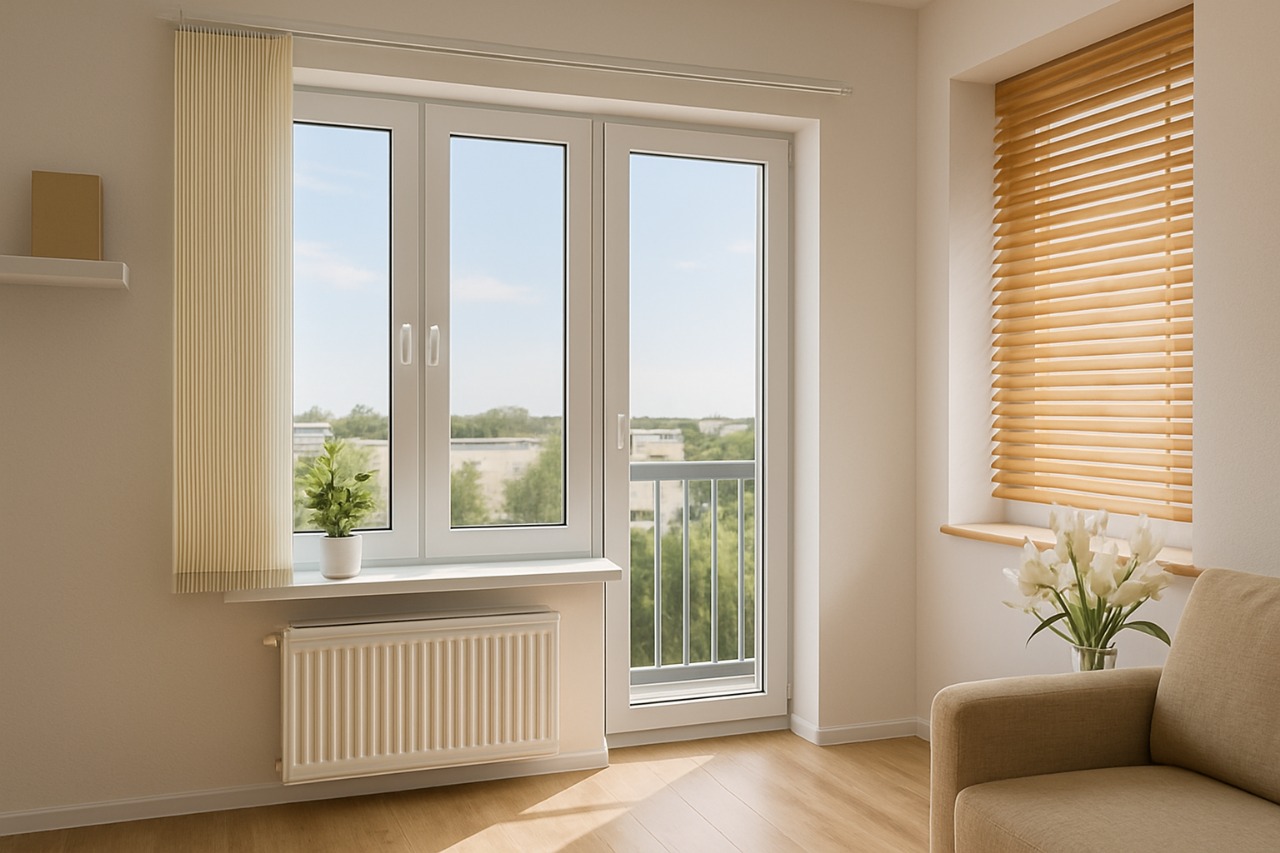
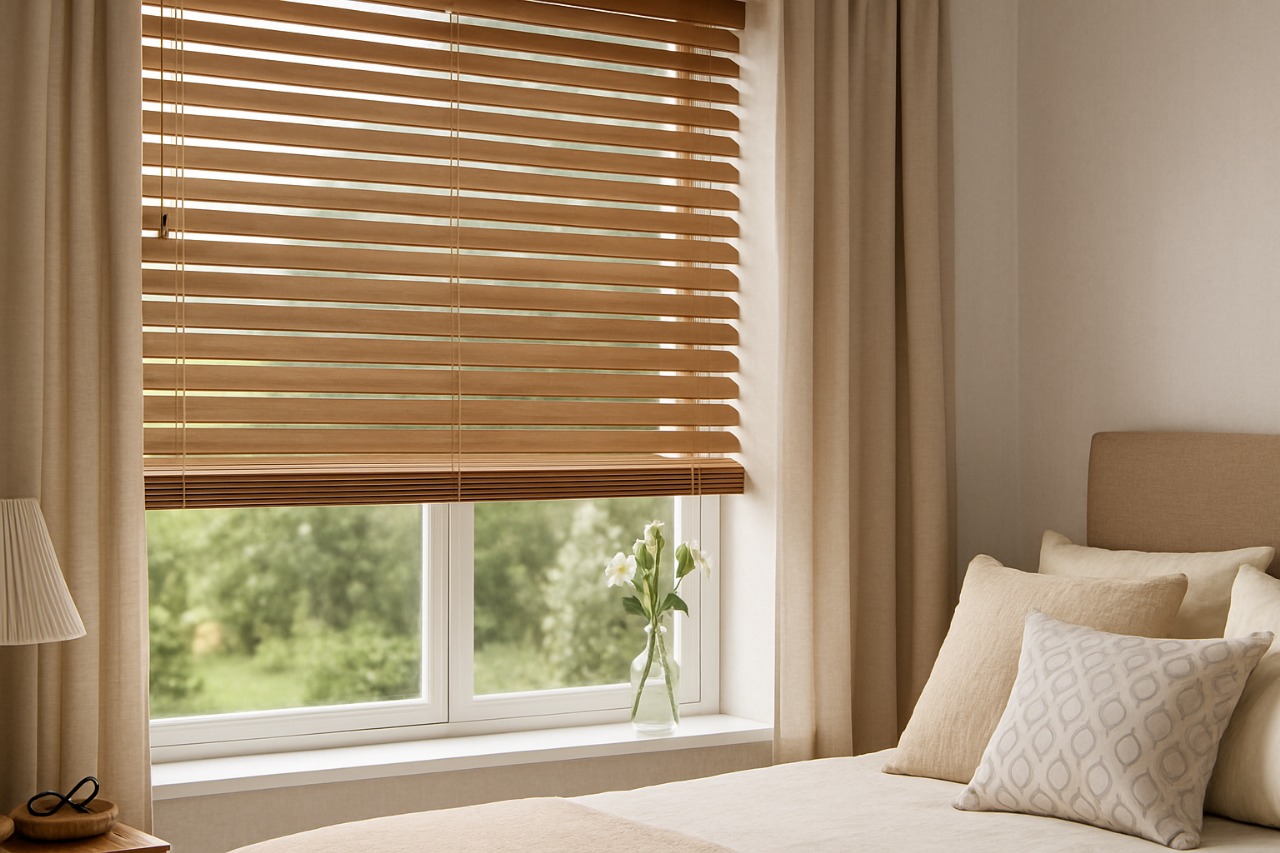
- Blinds (particularly dense roller or pleated types) offer minor reduction but help when combined with other measures.
Can I improve sound insulation without replacing windows?
Yes, partially.
- Replacing seals and adjusting sashes helps.
- Applying sound-damping films gives a small improvement.
- Installing a secondary inner sash or acoustic curtains are effective interim solutions.
Practical recommendations for selection and installation
- Identify the noise source: traffic, cafes, construction or footsteps — different noises require different approaches.
- For street noise prioritize laminated or acoustic glazing and deep installation gaps.
- For impact noise (neighbors above) work on floors and ceilings first; windows alone are less effective.
- Choose experienced installation teams: accurate installation ensures the intended sound insulation.
Common mistakes
- Skimping on installation: cheap foam without proper sealing causes sound leaks.
- Choosing glass only for thermal performance and ignoring acoustic properties.
- Inadequate ventilation after making windows airtight — may cause condensation and climate issues.
FAQ — quick answers
How much can good windows reduce street noise?
In many cases, a proper solution (correct glazing + installation) can reduce noise by 20–35 dB.
Which is more expensive: replacing glazing or replacing the whole frame?
Replacing the frame is usually more expensive but more effective when the old profile is warped or worn.
Do blinds help with sound?
Blinds provide a small reduction on their own, but combined with other measures they help reduce reflected sound.
How to measure current sound insulation?
Professionally — with a sound level meter and indicators like Rw. At home — compare inside and outside noise levels in dB.
How long does installation take?
Standard window replacement takes about 2–6 hours per opening if prepared. Additional works (reveals, sealing, secondary glazing) may add 1–2 days.
Conclusion
Good sound insulation is a combination of the right glazing unit, a suitable profile, reliable seals and professional installation. A comprehensive approach yields the best results, and piecemeal savings on installation often backfire.
DK-Logi blog topics and categories
Useful articles about PVC windows, blinds, and practical advice for your home.

GET A FREE WINDOW COST ESTIMATE!
Leave a request, and we will contact you to arrange a free measurement and provide a full cost estimate.
Your name
Your phone number *
Your e-mail
File
Choose file
Comment (e.g., window sizes, quantity, preferred profiles)

2025 © All rights reserved