WINDOWS


Date added: 05.07.26
Frequently asked questions about the lifespan of blinds
Frequently asked questions about the lifespan of blinds
Summary
- Material and mechanism are the main factors determining lifespan.
- Venetian, roller, fabric and wooden blinds have different average lifespans.
- Proper installation and gentle use significantly extend service life.
- Regular maintenance: dusting, mechanism lubrication, checking fasteners.
- Humidity and UV exposure accelerate aging.
- Replacement signs: warped slats, sticking mechanisms, severe fading.
Introduction
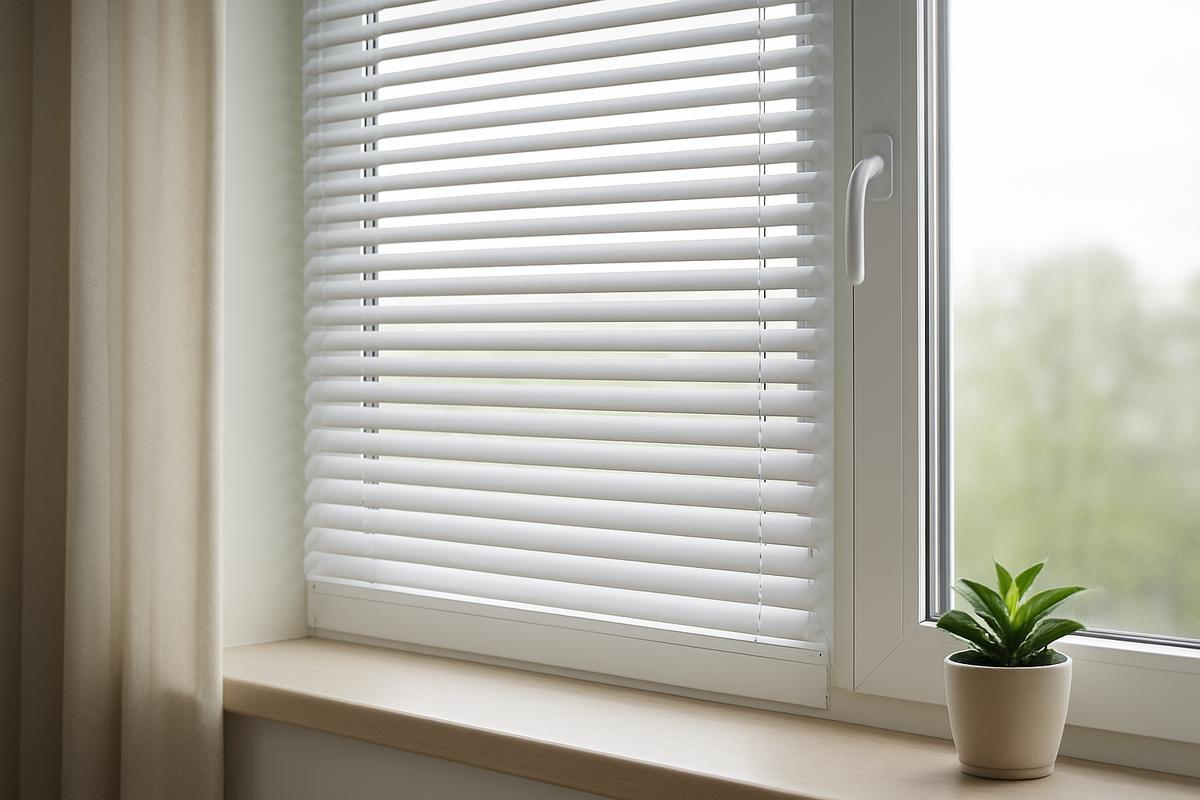
Blinds are a versatile window covering used in homes and offices. But how long can you expect them to work reliably? This guide explains typical lifespans for common blind types, the main causes of wear, and practical maintenance tips to keep them functioning longer.
Key factors that affect lifespan
- Material: aluminum, PVC, wood, fabric, bamboo — durability differs widely.
- Quality of fittings and operating mechanisms (cord, spring, chain).
- Environment: humidity, temperature swings, direct sunlight.
- Usage intensity: frequent raising, lowering and slat adjustments.
- Dust and dirt that cause binding and wear on moving parts.
Typical lifespans by blind type (estimates)
- Aluminum (horizontal/venetian): 8–15 years with proper care.
- Roller (fabric): 5–12 years depending on fabric quality and UV resistance.
- PVC blinds: 7–12 years; resist moisture but can yellow under strong sun.
- Wooden slat blinds: 10–20 years if humidity is controlled.
- Vertical fabric blinds: 6–12 years, depending on coatings.
These are approximate figures for residential settings; commercial use usually shortens life.
Maintenance that really helps
- Dust weekly with a soft brush or cloth.
- Deep clean removable slats or fabrics following manufacturer instructions.
- Lubricate friction points with a light silicone spray as directed.
- Inspect fasteners and cords annually or semi-annually.
- Avoid harsh chemicals and abrasive cleaners.
Common problems and fixes
- Sticking mechanism: clean dust and debris, lubricate, check plastic gears.
- Warped slats: replace individual slats rather than whole blind when possible.
- Faded fabric: re-supply or replace the roller fabric; consider UV-protected options.
When to replace blinds
- Repeated mechanical failures or obsolete parts.
- Significant fading, cracking or irreversible deformation.
- Repair costs approach the price of a new blind.
Buying tips to maximize lifespan
- Choose reputable brands with available spare parts.
- Check material properties and UV protection.
- Ask about warranty terms and service options.
FAQ section
How long do roller blinds last in real life?
Roller blinds typically last 5–12 years. High-quality mechanisms and UV-protected fabrics can extend this.
Is it worth repairing old blinds?
Small repairs (cords, a slat, a gear) are usually economical. If multiple faults appear or parts are unobtainable, replacement is better.
How often should I clean blinds?
Light dusting weekly, deep cleaning every 6–12 months depending on dirt levels.
Does sunlight shorten blind life?
Yes. UV causes fabrics to fade and plastics to become brittle. Using UV-resistant fabrics and shading reduces damage.
Are blinds suitable for bathrooms and kitchens?
PVC and aluminum blinds are better choices for humid rooms. Fabric blinds deteriorate faster in moist conditions.
Can I install blinds in a rented apartment?
Yes — choose durable, easy-to-remove systems and avoid drilling where prohibited. Handle gently and clean regularly.
If you want, DK-Logi can evaluate your existing blinds from photos and recommend repair or replacement options. Contact our support for a quick assessment.
DK-Logi blog topics and categories
Useful articles about PVC windows, blinds, and practical advice for your home.


GET A FREE WINDOW COST ESTIMATE!
Leave a request, and we will contact you to arrange a free measurement and provide a full cost estimate.
Your name
Your phone number *
Your e-mail
File
Choose file
Comment (e.g., window sizes, quantity, preferred profiles)

2025 © All rights reserved