WINDOWS


Date added: 30.04.26
How to choose PVC windows for a summer house
Introduction
Choosing PVC windows for a summer house affects comfort, moisture protection and energy efficiency. Even for seasonal use, well-selected windows reduce drafts, prevent dampness and simplify maintenance. This guide covers profiles, glass units, hardware, installation tips and practical recommendations.
Why PVC is a good choice
- PVC resists rot and moisture better than wood.
- Low maintenance: clean frames and lubricate hardware annually.
- Proper glazing improves thermal and acoustic insulation.
Key factors to consider
Climate and usage pattern
Decide whether the summer house is used seasonally or year-round. For constant use choose warmer solutions (wider profiles, double- or triple-glazed units with low-E glass). For seasonal cottages lighter, cost-effective options may suffice.
Profile and chamber count
- 2–3 internal chambers provide a good price-to-insulation ratio for a summer house.
- In cold areas look for profiles with thermal break and 70–80 mm depth.
Glass unit (IGU)
- Single-chamber (two panes) is cheaper but less insulating.
- Double-chamber IGU gives better thermal and noise performance and is often optimal.
- Low-E coatings and argon fill increase energy efficiency.
Hardware and opening types
- Reliable hardware ensures tight sealing and long service life.
- Prefer mechanisms with tilt-and-turn and micro-ventilation options.
Seals and moisture protection
- Quality rubber seals keep the window airtight. Check sealing circuits.
- Drainage channels in the profile prevent water accumulation.
Security features
- Add anti-burglary elements and robust locking systems if needed.
- Anti-removal pins and reinforced fittings are recommended.
Practical selection tips
- Ask for certificates and datasheets for the profile and IGU.
- Compare total cost: window unit price, delivery, installation and removal of old frames.
- Hire certified installers — savings on installation often lead to thermal bridges and faults.
- Consider laminated finishes (wood-look) for a cozy cottage appearance.
Ventilation and sash layout
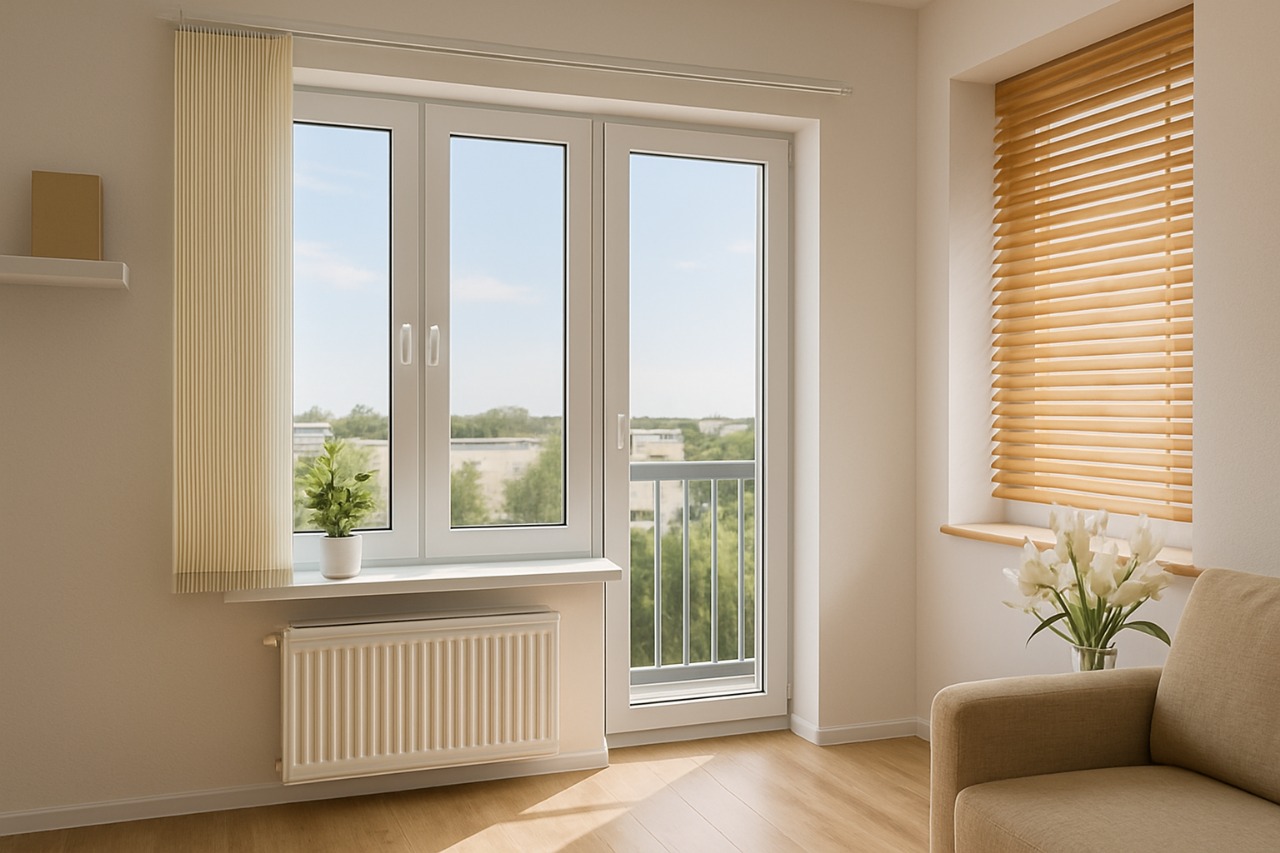
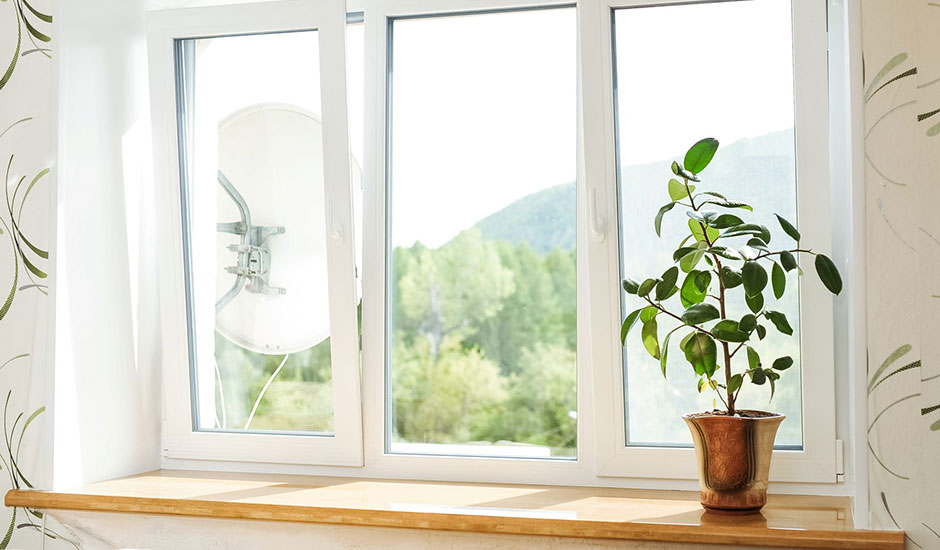
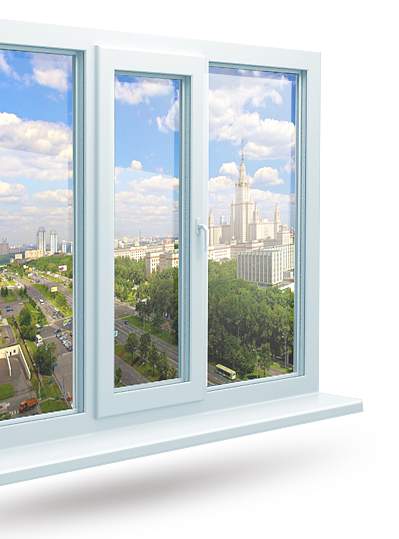
- Combinations of fixed glazing and tilt-and-turn sashes are common and practical.
- Plan for controlled ventilation (micro-vent, trickle vents) to avoid dampness.
Installation and maintenance
Installation
- The installation joint must be properly insulated and sealed both inside and outside.
- Exterior waterproofing and warm window sills protect against moisture.
Maintenance
- Clean frames with mild detergent and soft cloth.
- Lubricate hardware and check seals annually; replace worn gaskets promptly.
Quick checklist before buying
- Purpose: seasonal or year-round use.
- Profile type and depth (70–80 mm for cold climates).
- IGU type (double-chamber, low-E, argon).
- Presence of drainage and quality seals.
- Manufacturer warranty and certifications.
- Installation terms and timelines.
Short FAQs
Is a three-chamber profile necessary for a summer house?
For year-round living, it improves insulation. For seasonal use a two- or three-chamber profile of mid-range cost is often sufficient.
Which hardware should I choose?
Choose reputable brands with service support and replaceable parts.
Can I install the windows myself?
DIY installation is possible but risky without experience: improper sealing or leveling causes heat loss. Professional installation is recommended.
Conclusion
Choosing PVC windows for a summer house is a balance between budget and comfort. Assess climate, usage frequency and desired performance. Pay attention to profile, glazing, seals and installation quality — the right choices provide warmth, dryness and convenience for years.
DK-Logi blog topics and categories
Useful articles about PVC windows, blinds, and practical advice for your home.

GET A FREE WINDOW COST ESTIMATE!
Leave a request, and we will contact you to arrange a free measurement and provide a full cost estimate.
Your name
Your phone number *
Your e-mail
File
Choose file
Comment (e.g., window sizes, quantity, preferred profiles)
2025 © All rights reserved