WINDOWS


Date added: 30.11.25
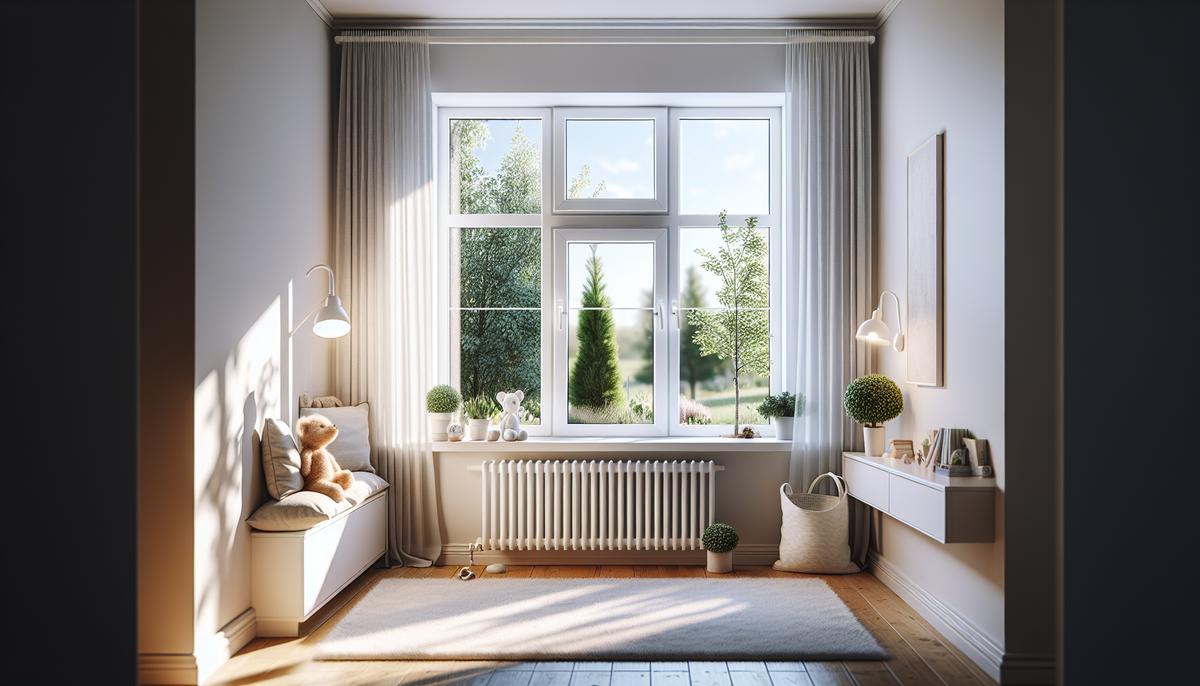
How to choose windows for a children's room
How to choose windows for a children's room
Choosing windows for a children's room requires balancing safety, comfort and energy efficiency. The right window provides fresh air, thermal comfort, noise reduction and safe operation — all essential for a child's well-being and sleep quality.
1. Safety first
- Use tempered or laminated safety glass to reduce the risk of injury if the glass breaks.
- Install opening restrictors to prevent the sash from opening fully and reduce fall risk.
- Childproof locks and sash blockers add extra protection, especially in high-rise apartments.
2. Ventilation and opening types
- Tilt-and-turn windows offer two modes: tilt for safe ventilation and turn for easy cleaning and full ventilation.
- Micro-ventilation or trickle vents maintain air quality without creating strong drafts.
- Choose hardware that allows sash locking at intermediate positions.
3. Insulated glazing units (IGUs)
- A double-chamber IGU (three panes) is recommended for a children's room — it improves thermal insulation and sound attenuation.
- Consider Low-E coatings to reduce heat loss in winter.
- Safety film on the outer pane can prevent shards from scattering.
4. Sound and thermal insulation
- If the room faces a busy street, opt for IGUs with enhanced acoustic performance.
- Quality seals and a multi-chamber profile significantly affect insulation — avoid cheap profiles with poor sealing.
5. Frame material and maintenance
- PVC profiles are practical: low maintenance, durable and cost-effective.
- More chambers in the profile usually mean better thermal performance.
- White frames reflect light and are easy to match; laminated finishes mimic wood but may cost more.
6. Windowsill and surrounding area
- A wide, sturdy sill gives space for plants and bedside items (ensure they are safe and secured).
- Keep the area around the window free from climbing furniture to prevent accidents.
7. Blinds, curtains and light control
- Roller or fabric blinds are a good option for light control; choose non-flammable or flame-retardant textiles.
- Blackout fabrics help create a dark environment for daytime naps.
- Avoid long cords and loops — choose cordless systems or child-safe mechanisms.
8. Installation and warranty
- Professional installation ensures correct sealing, drainage slope and safe hardware fitting.
- Insist on warranties for the frame, glazing and installation — crucial for a child's room.
Pre-purchase checklist
- Tilt-and-turn mechanism: yes/no
- Double-chamber IGU with Low-E: yes/no
- Tempered or laminated glass: yes/no
- Opening restrictor and child lock: yes/no
- Quality seals and profile with ≥3 chambers: yes/no
- Professional installation and warranty: yes/no
FAQ — Common questions
Do I need ballistic or armored glass for a child’s room?
For most homes, tempered or laminated glass with a safety film is sufficient. Armored glass is typically unnecessary unless there is a specific security risk.
Which PVC frame color is best — white or wood-effect?
White frames are practical and budget-friendly. Wood-effect finishes add warmth to the room but are pricier and require more consideration in design.
How to ventilate without creating drafts?
Use tilt mode, micro-vents or trickle ventilation to ensure a steady exchange of air without cold drafts.
Are blinds between the panes a good idea?
Integral blinds (between glass) are neat and low-maintenance but more expensive and harder to repair. External blinds or fabric rollers are easier to service.
Conclusion
Choosing windows for a children's room means prioritizing safety, ventilation and insulation. Invest in quality PVC frames, safety glazing, trusted hardware and professional installation to create a comfortable and secure environment for your child.
DK-Logi blog topics and categories
Useful articles about PVC windows, blinds, and practical advice for your home.


GET A FREE WINDOW COST ESTIMATE!
Leave a request, and we will contact you to arrange a free measurement and provide a full cost estimate.
Your name
Your phone number *
Your e-mail
File
Choose file
Comment (e.g., window sizes, quantity, preferred profiles)

2025 © All rights reserved