WINDOWS


Date added: 27.06.26
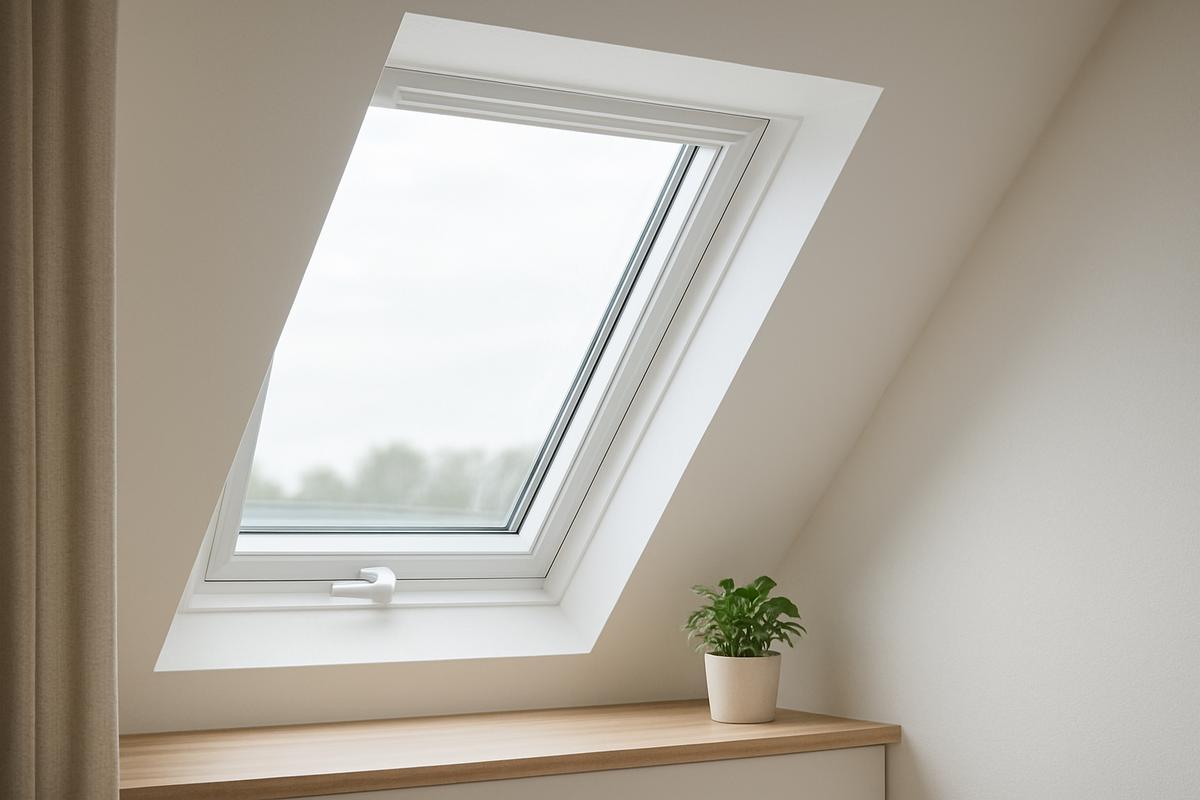
How to ventilate an attic with PVC windows
Summary
- Why attic ventilation matters: humidity control and mold prevention
- PVC windows are airtight — risk of condensation
- Simple airing routines: short blasts vs. long airing
- Technical options: trickle vents, intake valves, top-hung vents
- Different approach in winter and summer
- Maintenance: seals, vents, and humidity monitoring
Introduction
Ventilating an attic room with PVC windows helps maintain comfort, protect insulation and prevent mold. While PVC windows provide good thermal insulation, their airtightness often reduces natural airflow and increases the chance of condensation on glass and window reveals. This guide explains practical airing routines, technical solutions and maintenance tips specifically for attics with plastic windows.
Why attic ventilation is special
- Attics heat up quickly in summer and cool rapidly in winter, creating temperature gradients and moisture movement.
- Airtight PVC windows limit unintentional air exchange, so moisture produced inside accumulates.
- Poor ventilation can damage insulation, cause wood rot and promote mold growth.
Key principles
- Provide regular fresh air intake to lower indoor humidity and remove CO2.
- Promote circulation: supply air low, exhaust high (near the ridge or via ventilation ducts).
- Avoid long, small-gap ventilation in freezing weather — it cools the structure and reduces insulation efficiency.
Practical ventilation routines
Short intensive airing
- 3–5 times a day for 5–10 minutes: fully open the sash or tilt-and-turn to create a quick exchange of air without prolonged cooling of building elements.
Morning and evening airing
- Morning airing removes overnight moisture.
- Evening airing before sleeping refreshes the room and reduces CO2 buildup.
Winter routine
- Prefer short, full-opening airing for several minutes rather than leaving the window tilted.
Summer routine
- Longer periods of partial opening are acceptable; use cross-ventilation where possible to cool the space.
Technical solutions
- Trickle (micro) vents integrated into the window frame: provide a small, controlled air supply but do not replace full airing.
- Wall-mounted inlet valves or window-mounted air inlets: allow controlled fresh air without drafts.
- Top-hung vents and high-level exhaust: help remove warm, moist air naturally.
- Automated valves with humidity or CO2 sensors: maintain indoor climate automatically and efficiently.
Tip: Combine manual airing with technical ventilation for best results — this balances air quality and energy use.
Installation and maintenance
- Check and maintain seals and hardware; airtight frames are good, but you must ensure ventilation paths work.
- Clean window reveals and seals at least once a year.
- Verify roof and duct vents are unblocked.
- Use a hygrometer: aim for indoor humidity of 40–60%.
Handling condensation and mold
- Increase airing frequency and dry affected surfaces immediately.
- Treat mold with appropriate cleaners and find the root cause (leak, poor ventilation, excessive humidity).
- Consider installing a supply valve or improving exhaust ventilation if condensation persists.
Safety and energy efficiency
- Short, intensive airing wastes less heat than leaving a window tilted for hours.
- Automated ventilation with sensors prevents overcooling and saves heating energy.
FAQ
Can I leave a PVC roof window permanently tilted?
Not recommended in winter: long tilting causes heat loss and can lead to cold bridges. Use brief full openings or controlled vents.
Will a trickle vent eliminate condensation?
A trickle vent helps but may not be enough if humidity sources are high or exhaust is poor. Combined solutions are better.
How often should I ventilate?
Typically 3–5 times daily for 5–10 minutes each time; adjust after activities that increase humidity.
Do I need extra ducts or fans in an attic?
If existing natural exhaust is insufficient, adding ducts or mechanical ventilation is advisable to ensure reliable air exchange.
If you want, we can propose specific intake valve models, placement for your roof geometry, or a simple ventilation diagram tailored to your attic layout.
DK-Logi blog topics and categories
Useful articles about PVC windows, blinds, and practical advice for your home.




GET A FREE WINDOW COST ESTIMATE!
Leave a request, and we will contact you to arrange a free measurement and provide a full cost estimate.
Your name
Your phone number *
Your e-mail
File
Choose file
Comment (e.g., window sizes, quantity, preferred profiles)

2025 © All rights reserved