WINDOWS


Date added: 15.09.26
Loft-style blinds for the kitchen
Loft-style blinds for the kitchen: a practical and stylish choice
Loft design in a kitchen emphasizes raw materials, straightforward lines and functional solutions. Blinds are an excellent element to reinforce the industrial feel: they are practical, allow precise light control and complement exposed brick, concrete or metal finishes.
Why blinds suit a loft kitchen
- Clean geometry and straight lines enhance the industrial character.
- Metal and wood slats match the textures commonly used in loft interiors.
- Blinds provide effective control of glare and privacy without heavy drapery.
- Easy to combine with roller shades, Roman blinds or simple curtains for layered looks.
Blinds types recommended for loft kitchens
- Aluminum venetian blinds — classic industrial choice with slim, matte slats and reliable performance. Great for wide windows.
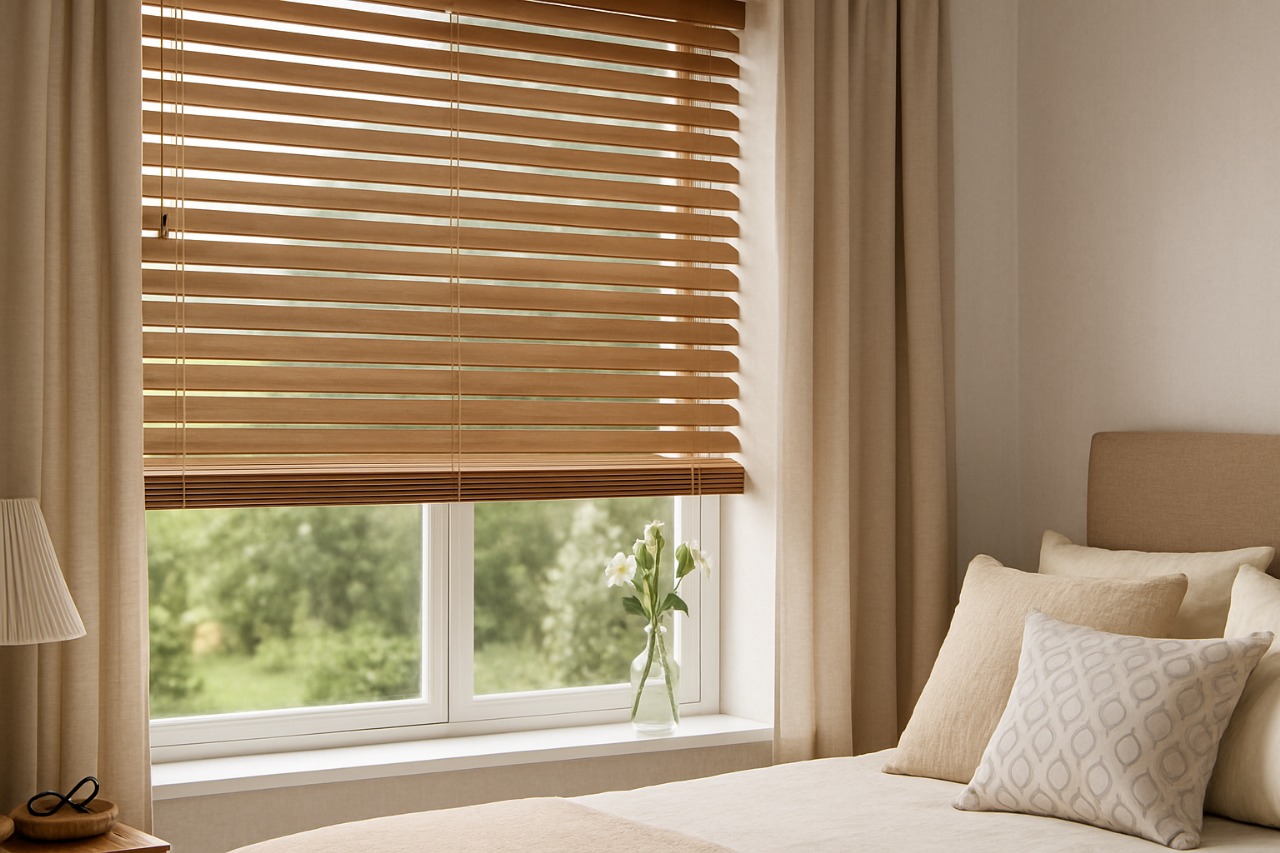
- Wood or wood‑look blinds — add warmth while keeping a minimalist silhouette. Opt for treated wood for moisture resistance.
- Roller blinds in textured fabrics (linen, canvas) — soften the space without losing minimalism.
- Roman blinds with coarse weave — work well above sinks or over small windows.
- Bamboo or natural fiber blinds — for a subtly organic touch in an otherwise stark palette.
Materials and finishes
- Powder‑coated aluminum resists corrosion and is easy to clean.
- Laminate or treated wood offers durable surfaces and a natural look.
- Fabrics with stain‑resistant coatings are preferable for cooking areas.
Color and texture
- Loft palette: graphite, charcoal, black, rust, natural wood tones.
- Accent metals — copper, aged brass — can highlight pendant lights or trim.
- Matte surfaces look more authentic and produce fewer reflections than glossy ones.
Light management and ventilation
- Horizontal blinds offer flexible light control: from full privacy to soft, diffused daylight through slats.
- Slat widths of 25–50 mm are practical for kitchens: easy to clean and visually balanced.
- For roller fabrics, choose the right opacity: blackout is rarely necessary, but light‑filtering options help protect surfaces.
Measuring and installation tips
- Measure after final finishes to account for sills, trims and openable hardware.
- External mounting (above the opening) often suits loft aesthetics — the blind becomes an architectural stripe.
- Internal mount requires clearance for handles and hinges to avoid interference with slats.
Maintenance and longevity
- Wipe metal slats with a damp cloth and mild detergent.
- Wood and wood‑like slats require gentle cleaning and occasional treatment with care products.
- Textile blins: spot clean and follow the manufacturer’s care labeling; consider periodic professional cleaning.
Styling ideas
- Pair black metal blinds with exposed brick, open shelving and pendant lamps for a cohesive loft look.
- Use wooden blinds with warm countertops to balance the industrial coldness.
FAQ
Q1: Which is better for a kitchen loft — metal or wood blinds?
Both work well. Metal is more resilient and easier to clean, while wood warms the space. Use treated finishes in moisture‑prone zones.
Q2: Are blinds hard to maintain in the kitchen?
No — routine dusting and occasional wet wiping are usually sufficient. Avoid harsh chemicals on coated surfaces.
Q3: Which control mechanism is recommended?
Chain controls are reliable; motorized systems add convenience for large or hard‑to‑reach windows.
Q4: Do I need moisture protection?
Yes, particularly above the sink or stove. Choose materials and coatings that resist staining and humidity.
Q5: How to combine blinds with kitchen cabinets and décor?
Match or contrast deliberately: choose a bold dark blind against pale cabinetry, or warm wood blinds to echo wooden countertops.
Q6: Can I layer roller and venetian blinds?
Layering is a practical strategy: a roller for diffuse daylight and a venetian for precise control and privacy.
If you want, we can prepare on‑site measurements, renderings for your window, and a tailored cost estimate. We also offer delivery and professional installation.
DK-Logi blog topics and categories
Useful articles about PVC windows, blinds, and practical advice for your home.

GET A FREE WINDOW COST ESTIMATE!
Leave a request, and we will contact you to arrange a free measurement and provide a full cost estimate.
Your name
Your phone number *
Your e-mail
File
Choose file
Comment (e.g., window sizes, quantity, preferred profiles)
2025 © All rights reserved