WINDOWS


Date added: 01.12.25
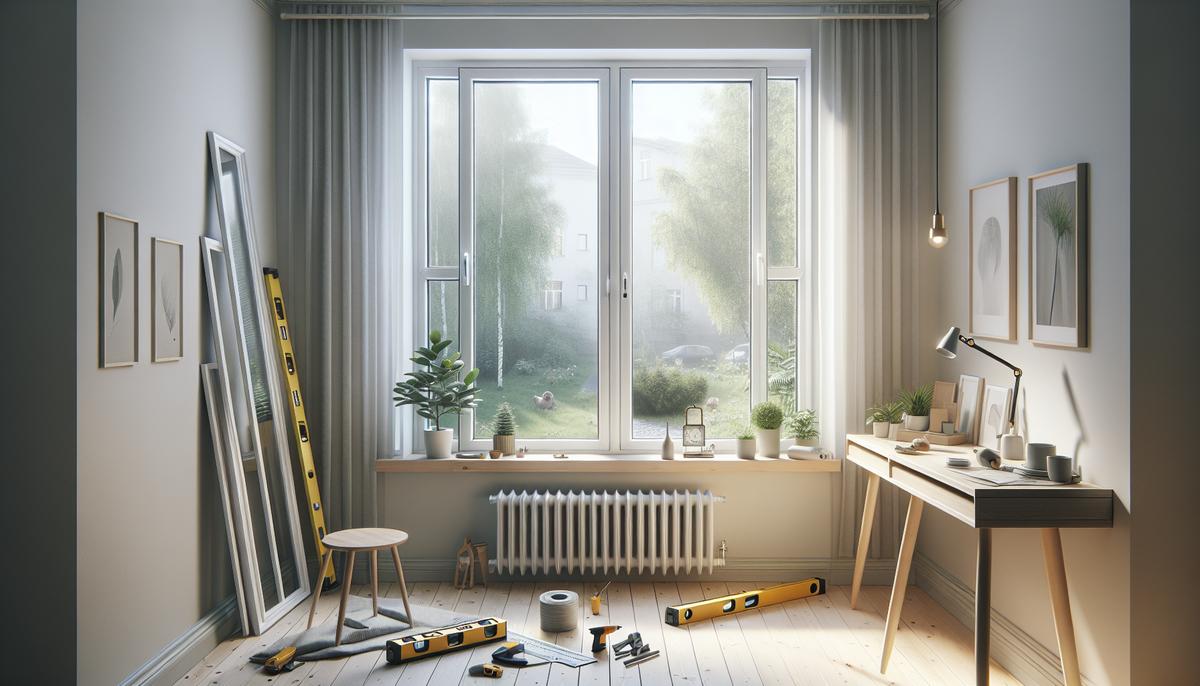
Mistakes in DIY window installation
Mistakes in DIY window installation
Installing PVC windows yourself can look attractive: savings on labor, flexible schedule, and personal satisfaction. But incorrect installation often leads to drafts, frost at the reveals, warped sashes, and reduced lifespan of the window system. This article describes common mistakes and practical tips to avoid them.
Why following the installation technology matters
A window is a complex system: frame, glazing unit, seals, mounting foam, anchor fixings, and drip edges. Incorrect order of operations or using unsuitable materials compromises the thermal barrier and drainage, and can cause mechanical damage.
1. Incorrect measurements
- Mistake: measuring only the interior width of the opening without considering frame extrusion, reveal thickness, and floor level.
- Consequence: window doesn't fit, requiring rework or ordering a new frame.
- How to avoid: measure opening depth, height from finished floor to lintel, and leave 10–15 mm tolerances on each side. For final measurements, it’s better to involve a specialist.
2. No use of plumb and level
- Mistake: installing on improvised wedges without checking horizontality and verticality.
- Consequence: sashes rub, don’t close properly, or gaps appear.
- How to avoid: use a spirit level, plumb line and screed. Secure the window with temporary shims while checking diagonals.
3. Wrong choice of anchor points and fasteners
- Mistake: fixing into hollow blocks or ignoring manufacturer’s fastening layout.
- Consequence: frame deformation, settling of the window, loss of tightness.
- How to avoid: follow the manufacturer’s fastening diagram, anchor into solid zones (concrete, brick), and use appropriate dowels/anchors.
4. Overfilling or underfilling with mounting foam
- Mistake: excessive foam volume without accounting for expansion, or insufficient fill.
- Consequence: frame deformation from excessive expansion, poor insulation from too little foam.
- How to avoid: choose quality foam, account for expansion coefficient, fill the gap evenly, and allow full curing before trimming and finishing.
5. Improper treatment of exterior and interior joints
- Mistake: leaving foam exposed and not sealing exterior joints.
- Consequence: moisture ingress, freezing, and mold.
- How to avoid: use both waterproofing and vapor barrier tapes, quality silicone, and install drip edges. Exterior joint should prioritize waterproofing; interior — vapor control.
6. Ignoring sill slope and drainage
- Mistake: installing sill without an outward slope or missing a drip edge.
- Consequence: water collects near the frame, increased humidity and damage to finishes.
- How to avoid: ensure a small outward slope on the sill (5–10 mm) and install a drip edge to channel water away.
7. Incorrect seal selection and installation
- Mistake: skimping on seals or damaging them during fitting.
- Consequence: drafts, noise infiltration, and heat loss.
- How to avoid: select seals according to manufacturer’s recommendations, check integrity before and after installation, and adjust sashes if needed.
8. Skipping sash adjustment after installation
- Mistake: installing and leaving without checking smooth operation and closing pressure.
- Consequence: misalignment, gaps, increased hardware wear.
- How to avoid: adjust the closing line, hinges and compression as per instructions and re-check in different seasons.
Tools and materials you will need
- Spirit level and plumb line
- Tape measure and straight edge
- Mounting wedges, anchor bolts, dowels
- Quality mounting foam
- Vapor and waterproofing tapes
- Hacksaw for metal, drill, screwdrivers
When to call professionals
If the wall has complex structure (hollow blocks, old brick), or if removal includes finishing of reveals, call a professional crew. Professionals can ensure warranty compliance and avoid costly mistakes.
FAQ — quick answers
Can I increase the gap if I’m short 10 mm?
No. Increasing the gap arbitrarily makes the joint too large, requires more foam, and reduces panel rigidity. Order the window to match the actual opening.
How to remove excess foam quickly?
Wait until full cure (typically 24–48 hours), then trim carefully with a knife and finish with sealant.
Do I need to remove sashes for installation?
Removing sashes can make installation easier and prevent deformation, but it is recommended for experienced installers.
Why is the inside of the glass fogging after installation?
Fogging usually indicates high indoor humidity or ventilation problems. Condensation between panes indicates a glazing unit seal failure.
How to test installation quality immediately after work?
Check frame alignment, compression uniformity (a sheet of paper should hold evenly), absence of gaps, proper sill slope and drip edge, and no leaks during a water test.
Final note
DIY installation is possible with skills, correct tools, and careful preparation. But strict adherence to technology at each stage — measurement, anchoring, sealing, and adjustment — is essential. When in doubt, hire professionals to avoid expensive repairs.
DK-Logi blog topics and categories
Useful articles about PVC windows, blinds, and practical advice for your home.



GET A FREE WINDOW COST ESTIMATE!
Leave a request, and we will contact you to arrange a free measurement and provide a full cost estimate.
Your name
Your phone number *
Your e-mail
File
Choose file
Comment (e.g., window sizes, quantity, preferred profiles)

2025 © All rights reserved