WINDOWS


Date added: 02.12.25
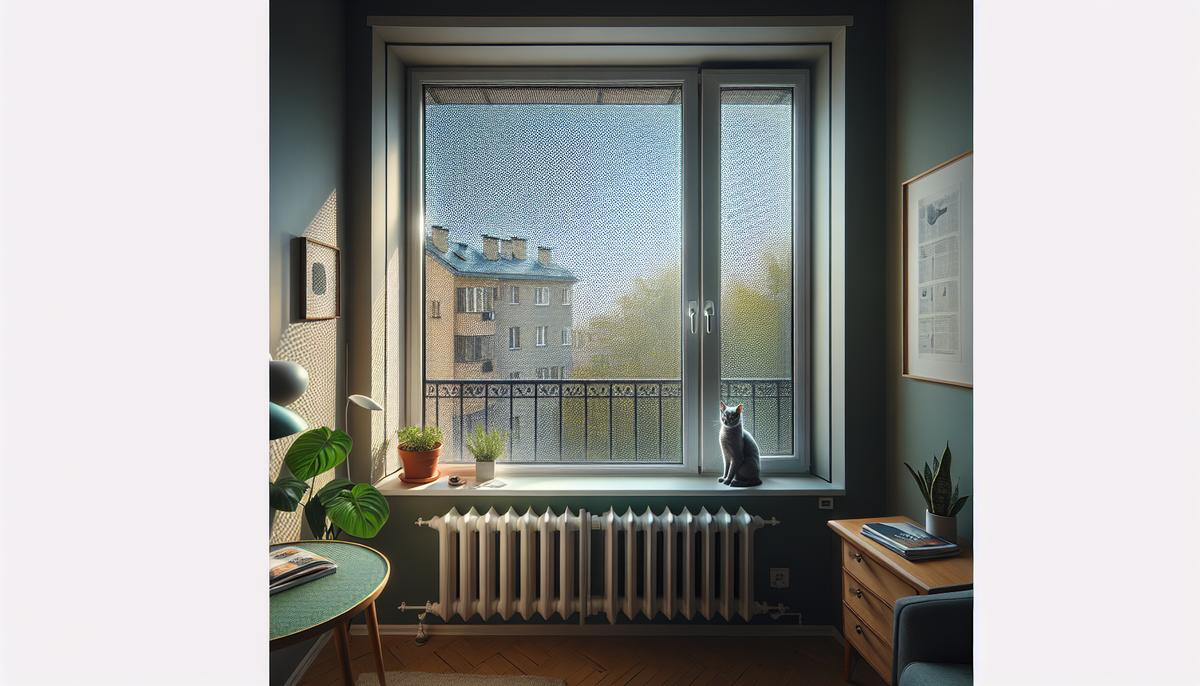
Mosquito nets against cats
Mosquito nets against cats: safe, durable window protection
Mosquito nets keep insects out and air flowing in, but regular screens often can’t withstand a curious cat. Claws, jumping, and persistent scratching quickly damage thin meshes. This guide explains which types of mosquito nets are suitable for homes with cats, how to choose a pet-proof model, installation tips and maintenance recommendations.
Why a normal mosquito net may fail
- Thin polyester or unreinforced fiberglass can tear under claw stress.
- Poorly fixed frames can be pushed open by a determined cat, creating a fall hazard.
- Light fittings and flimsy locks break quicker when used as a climbing surface.
What to look for in a cat-proof mosquito net
-
Material
- Pet-proof fiberglass or composite mesh — reinforced and tear-resistant.
- Stainless steel mesh — highly durable, suitable for balcony doors and high-traffic areas.
- PVC-coated metal mesh — corrosion-resistant and strong.
-
Construction type
- Fixed frame screens — reliable and simple for most windows.
- Hinged/opening screens — convenient for ventilation, must have robust locks.
- Sliding door screens — ideal for balcony doors, select reinforced sliding systems.
- Roller/retractable screens — compact; choose models with bottom locking rail for stability.
-
Frame and fixings
- Reinforced aluminium profiles, sturdy corners and secure locks are crucial.
- Extra stiffeners or metal inserts increase resistance to force from pets.
-
Pet safety features
- Smooth, rounded fixings and protected hinges to avoid injury.
- Integrated cat flaps in door screens where pets need access.
Installation tips
- Measure the opening accurately; even a small gap can be exploited by a cat.
- Secure to solid surfaces and use reinforced brackets for heavy-duty screens.
- For frequently opened windows, choose a hinged or strong sliding option with reliable locks.
- Older frames may require additional reinforcement before fitting a heavy-duty screen.
Care and maintenance
- Inspect edge fastenings and frames regularly, especially if your cat climbs near the window.
- Clean gently with a soft brush and warm soapy water every 1–3 months depending on dirt level.
- Avoid abrasive cleaners and sharp tools.
- Small tears can be temporarily patched, but large damage requires replacement for safety.
Advantages of cat-proof screens
- Longevity: lasts much longer than standard meshes.
- Safety: reduces risk of falls and injuries.
- Peace of mind: lets pets safely observe outside activity.
Drawbacks and limitations
- Higher cost compared to regular mosquito nets.
- Heavier constructions demand stronger frames and fittings.
- Professional installation is often recommended for doors and reinforced systems.
FAQ — Common questions about pet-proof mosquito nets
Do calm indoor cats still need reinforced screens?
Yes. Even calm cats can react unpredictably to birds or insects. A reinforced screen is preventive protection against falls and injuries.
Which material is better: reinforced fiberglass or steel?
Reinforced fiberglass is lighter and flexible while remaining tear-resistant. Steel is more durable and secure but heavier and more expensive — ideal for balcony doors.
Can I install the screen myself?
Many simple frame models can be installed by a handy owner. For heavy-duty systems, sliding doors, or when reinforcement is needed, professional installation is safer.
Can scratches and damage be fully prevented?
No solution is 100% scratch-proof, but with the right materials, secure fixing and regular inspection, the risk can be greatly reduced.
How long do pet-proof screens last?
With proper care, 5–10 years depending on material, exposure and usage.
Is a cat flap possible in a door screen?
Yes, specialized cat flaps can be integrated into door screens for controlled pet access.
What to do in winter?
Secure or remove retractable screens in severe weather; store panels dry if removed for the season.
What if the screen is damaged?
Temporary patches can help short-term, but replace damaged sections or the whole screen for safety.
DK-Logi recommendations
- Choose screens labeled "pet-proof" or "anti-cat" for the best protection.
- Request professional measurement and installation for reinforced or door systems.
- Combine screens with window limiters or secure window handles to prevent full opening.
Contact DK-Logi for advice, measurement and installation — we help select the right solution for your windows and pets.
DK-Logi blog topics and categories
Useful articles about PVC windows, blinds, and practical advice for your home.

GET A FREE WINDOW COST ESTIMATE!
Leave a request, and we will contact you to arrange a free measurement and provide a full cost estimate.
Your name
Your phone number *
Your e-mail
File
Choose file
Comment (e.g., window sizes, quantity, preferred profiles)
2025 © All rights reserved