WINDOWS


Date added: 12.09.26
Mosquito nets for balconies and loggias
Mosquito nets for balconies and loggias
Mosquito nets are a simple and effective way to protect balconies and loggias from mosquitoes, flies and debris while preserving airflow and view. This guide explains the main types of nets, materials, measurement and installation tips, and maintenance recommendations.
Why install mosquito nets on a balcony or loggia
- Protect against insects during ventilation.
- Reduce dust and leaves entering from outside.
- Allow opening windows or doors at night without insect risk.
- Improve comfort while maintaining natural ventilation.
Even on glazed balconies, nets help block small insects and airborne debris; on open balconies they are essential.
Main types of mosquito nets for balconies and loggias
- Fixed frame screens — rigid frames mounted around the opening. Durable and cost-effective for infrequently used sashes.
- Roll-up (retractable) screens — the mesh rolls into a cassette at the top. Space-saving and convenient for frequently used openings.
- Sliding screens — like a sliding door, ideal for large balcony entrances.
- Folding (accordion) screens — fold to one side, suitable for wide doors.
- Magnetic and adhesive temporary screens — seasonal solutions for summer or small openings.
- Pleated (pleat) systems — elegant and durable, great for panoramic doors.
Each type has strengths: roll-up and sliding for convenience, fixed for affordability, folding and pleated for aesthetics and ease of use.
Mesh and frame materials
- Mesh: polyester/PE, fiberglass (fiberglass mesh), metal mesh for extra strength, and fine-mesh options for small insects and dust.
- Frames: aluminum or PVC profiles — lightweight and corrosion-resistant. Aluminum is recommended for frequent use.
- Finishes: white, brown, wood-effect anodizing — choose to match window profiles and balcony interior.
Measurement and installation tips
- Accurate measurements are essential. Measure height and width in three places (top, middle, bottom) and use the smallest values.
- Decide whether you need permanent access to the balcony (sliding or folding screens) or a mainly closed solution (fixed frames).
- For irregular openings or protruding balconies, order a custom-made solution with an on-site measurement.
- DIY installation is possible for simple frame and magnetic models. Roll-up and sliding mechanisms are best installed professionally.
Maintenance and care
- Clean mesh regularly with a soft brush and warm water with mild detergent.
- Check fixings and rolling mechanisms once or twice a year; lubricate bearings and guides according to manufacturer recommendations.
- Store seasonal screens in a dry place, protecting them from rodents and moisture.
- Small tears can be repaired with a repair kit; large damages require replacement of the mesh.
Choosing the right screen for your balcony type
- Glazed loggia: roll-up or fixed screens to maintain insulation and ventilation control.
- Open balcony or veranda: sliding or folding systems with reinforced mesh.
- Panoramic openings: pleated or sliding systems are preferred.
Cost and lead times
Price depends on type, size and materials. Simple framed screens are the most budget-friendly; roll-up and sliding systems cost more due to mechanics and cassettes. Typical lead times for custom orders are 3–10 business days.
FAQ — frequently asked questions
Which screen is best for a wooden frame?
Frame or roll-up screens with soft mounting options are suitable for wooden profiles to avoid damaging the surface. Use plastic clips or small screws.
Can I install a mosquito net myself?
Yes — many fixed and magnetic models are designed for DIY installation. Roll-up and sliding systems are recommended to be installed by professionals for correct operation.
How long does a fiberglass mesh last?
With proper care, 5–10 years. Lifespan depends on usage intensity, pollution and weather conditions.
Will the mesh protect against fine dust and smog?
Nets block larger dust particles and debris but provide limited protection against fine dust and industrial smog. For better filtration, use fine-mesh options.
Can I combine a mosquito net with blinds on my balcony?
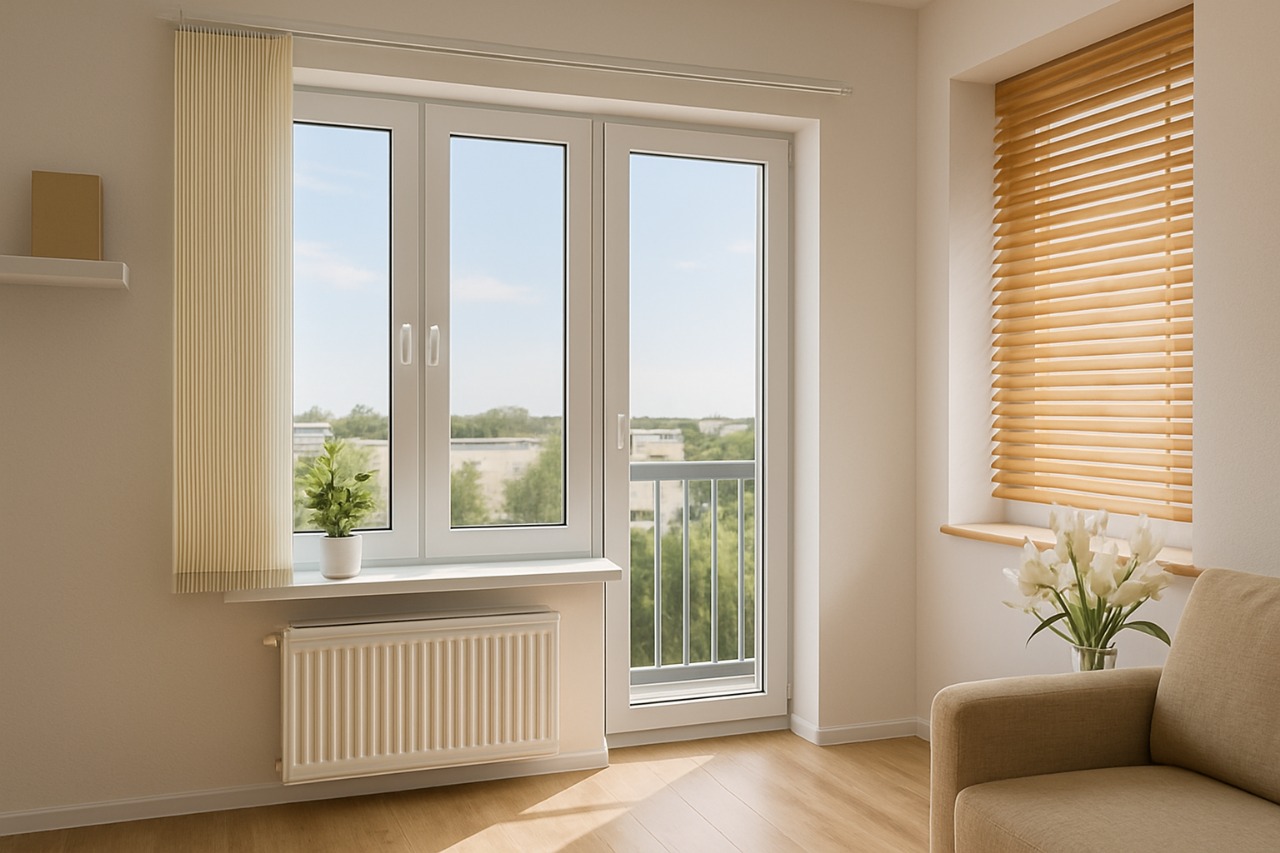
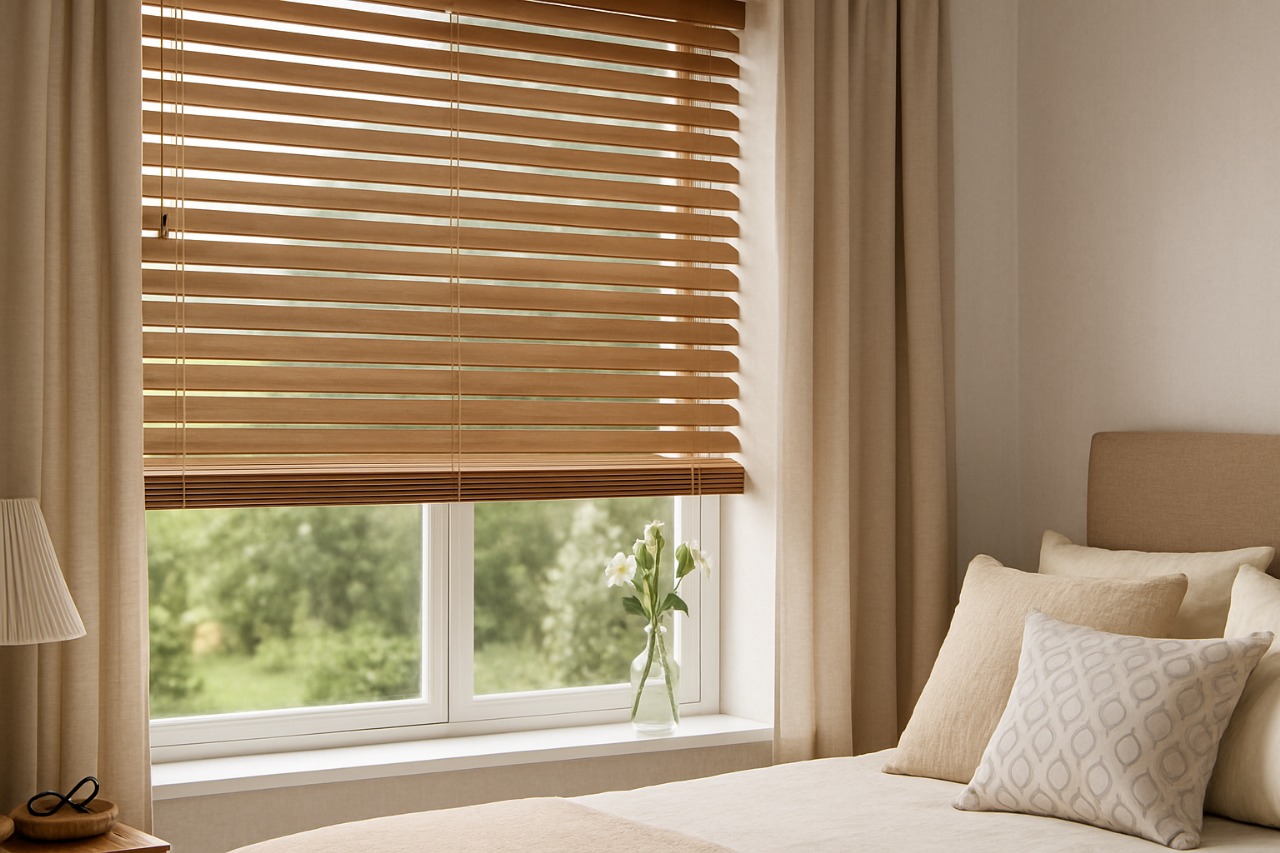
Yes. Nets are typically installed outside or in front of the glazing, while blinds (roller, Roman, vertical) are placed inside to ensure comfort and maintain an aesthetic look.
If you need measurement, selection or professional installation, DK-Logi will help you choose the optimal mosquito net solution for your balcony or loggia.
DK-Logi blog topics and categories
Useful articles about PVC windows, blinds, and practical advice for your home.

GET A FREE WINDOW COST ESTIMATE!
Leave a request, and we will contact you to arrange a free measurement and provide a full cost estimate.
Your name
Your phone number *
Your e-mail
File
Choose file
Comment (e.g., window sizes, quantity, preferred profiles)
2025 © All rights reserved