WINDOWS


Date added: 30.07.26
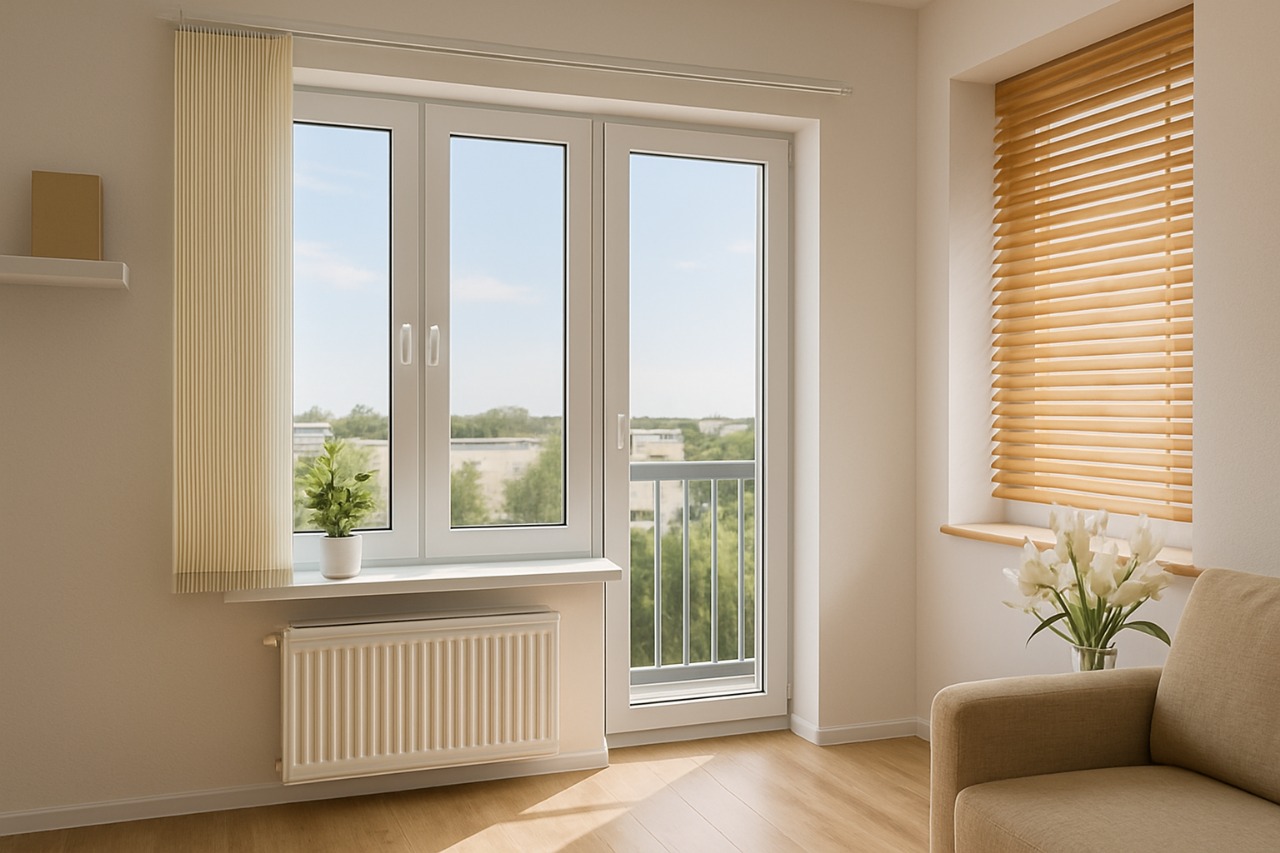
PVC windows for apartments with balconies
PVC windows for apartments with balconies — comfort and savings
PVC windows are one of the most practical investments for apartments with balconies. They address several needs at once: thermal insulation, sound reduction, protection against drafts, improved appearance, and lower heating bills. This article explains how to choose and install PVC windows for balconies, plus practical tips on maintenance and ventilation.
Why choose PVC for balcony glazing?
- Energy efficiency: modern insulated glass units and tight profiles reduce heat loss.
- Sound insulation: multi-chamber profiles and high-quality seals cut street noise.
- Durability and low maintenance: PVC frames don’t need repainting and resist moisture.
- Flexibility: suitable for full balcony glazing, partial glazing, or sliding systems for compact spaces.
Installing PVC windows on a balcony is often the first step to making it a usable, energy-efficient space.
Key specifications to consider
- Profile system: 3-, 5- or 6-chamber. More chambers usually mean better insulation and rigidity. For balconies, 5/6-chamber systems are recommended.
- Insulated glass unit (IGU): single, double or triple glazing. A double IGU with low-emissivity coating and gas fill (argon) is generally optimal for city apartments.
- Seals: good quality gaskets around the perimeter prevent drafts and moisture ingress.
- Hardware: tilt-and-turn, sliding, or combined fittings. Sliding systems are useful where space is limited; tilt-and-turn offers better airtightness.
- Drainage and condensate control: ensure the system directs water away from the frame.
Types of balcony glazing
- Full glazing: transforms the balcony into an additional heated room. Requires high-quality insulation and professional installation.
- Partial glazing: only the upper part is glazed while the lower part remains a parapet—cost-effective for seasonal use.
- Sliding systems: ideal for narrow balconies and save indoor space.
Measurement and installation basics
- Measurements must be made by a professional: consider wall irregularities, floor level, and parapet condition.
- Prepare the opening: clean, level the reveals, and check waterproofing.
- Secure the frame with anchors appropriate for the wall material.
- Use mounting foam and exterior sealing membranes; fit an external sill and drip ledge for water runoff.
- Test hardware operation and inspect for gaps after installation.
Insulation and soundproofing
To use a balcony as a warm space, you need:
- Proper IGU (low-E glass, argon fill).
- Insulation of the parapet and floor (EPS boards, mineral wool, or similar).
- Additional seals and thermal breaks to prevent cold bridges.
Ventilation and moisture control
A heated balcony needs ventilation to avoid condensation and mold:
- Micro-ventilation in hardware is a simple solution.
- Ventilation valves in the frame can provide controlled fresh air.
- Combine regular airing with humidity monitoring.
Design and functionality
PVC windows come in white and laminated finishes that mimic wood or other colors. For integrated balconies, coordinate the windows with the interior: choose matching sill profiles, blinds or roller shades, secure locks, and child-safety restrictors.
Maintenance and service
- Clean seals and drainage channels regularly.
- Lubricate hardware 1–2 times a year.
- Check and adjust the sash compression as needed.
- Replace broken IGUs promptly to maintain insulation properties and warranty coverage.
Frequently asked questions (FAQ)
Do I need insulation if I install PVC windows?
Yes. Windows reduce losses, but full comfort requires insulating the parapet and floor, and ensuring tight installation.
What IGU is best for noise reduction?
A double IGU with asymmetric glass thickness and acoustic interlayers helps; combined with good seals, it significantly reduces street noise.
Are sliding windows good for narrow balconies?
Yes, sliding units save indoor space, but usually provide slightly lower airtightness than tilt-and-turn systems.
How long do PVC windows last?
Quality PVC windows can last 25–35 years with proper care and timely maintenance.
Will insulating my balcony affect heating bills?
Yes. Proper glazing and insulation typically reduce heat consumption in cold months, lowering heating costs.
Do I need permits to combine a balcony with a living room?
Often yes. Combining a balcony with interior space may require approval from local authorities or property management. Consult professionals for documentation and safe structural changes.
Conclusion
PVC windows are a cost-effective way to improve comfort and energy efficiency in apartments with balconies. Choose the right profile, IGU, and ventilation strategy, and rely on professional measurement and installation for durable, comfortable results.
DK-Logi blog topics and categories
Useful articles about PVC windows, blinds, and practical advice for your home.



GET A FREE WINDOW COST ESTIMATE!
Leave a request, and we will contact you to arrange a free measurement and provide a full cost estimate.
Your name
Your phone number *
Your e-mail
File
Choose file
Comment (e.g., window sizes, quantity, preferred profiles)

2025 © All rights reserved