WINDOWS


Date added: 29.08.26
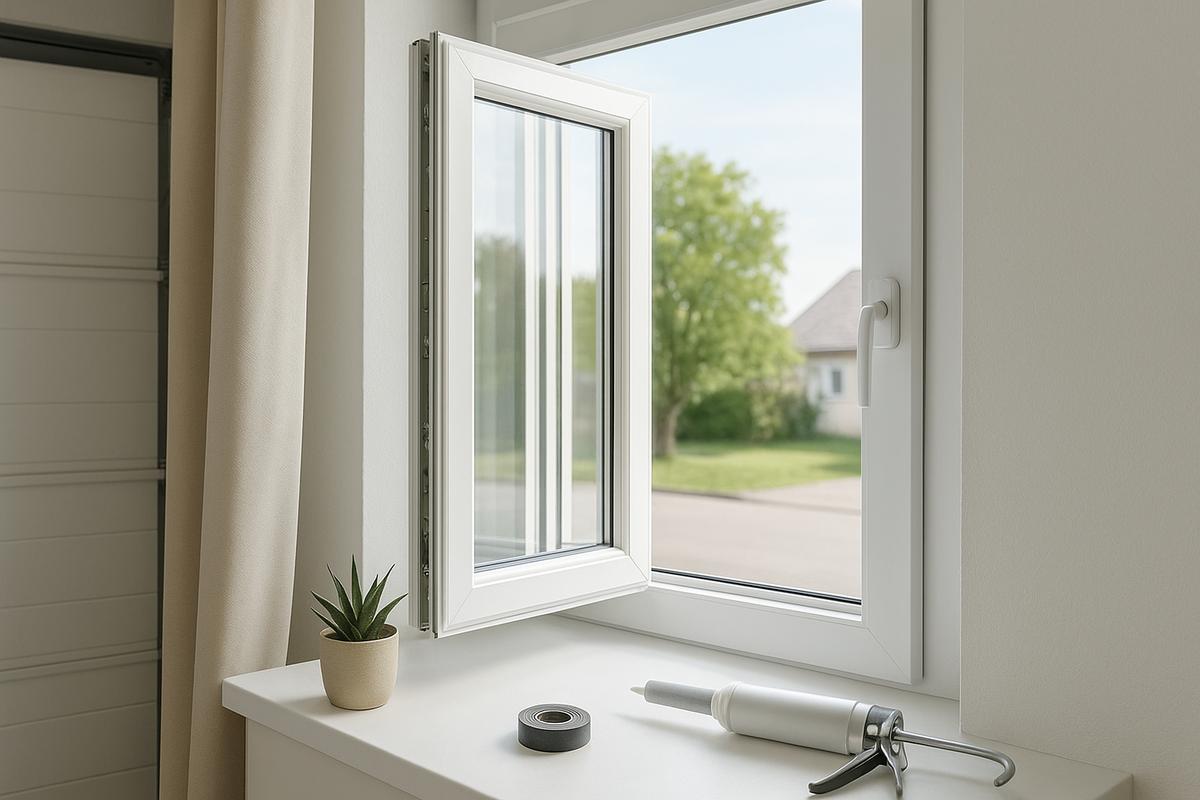
PVC windows for garages
PVC windows for garages
PVC (uPVC) windows are a practical, low-maintenance and cost-effective option for garages. They keep out wind and moisture, improve security, and can help maintain a more stable interior temperature. This guide explains suitable PVC window types for garages, what to consider when choosing and installing them, and how to care for them to ensure long service life.
Quick summary
- PVC windows protect the garage from moisture and dust and improve the indoor climate.
- Choose glass units based on needs: single-chamber for economy, double-chamber for better insulation.
- Ventilation and airtightness are crucial: install trickle vents or ventilating vents.
- Reinforced profiles and anti-burglary fittings increase security.
- Proper installation with insulated reveals and drip edges prevents frost and damp.
- Regular maintenance: cleaning, lubricating hardware, checking seals.
Why PVC windows are good for garages
PVC profiles resist corrosion and moisture, don't need painting, and are easy to clean. For garage environments—dusty, prone to condensation, and varying temperatures—PVC is a resilient choice. With the right glazing and installation, PVC windows provide thermal benefits and reduce moisture ingress.
Glass units and profile types
- Single-chamber double glazing (one air gap) is a budget-friendly option for non-heated garages.
- Double-chamber double glazing (two air gaps) is preferable for heated garages or if you want better insulation.
- Low-E (energy-saving) glass improves thermal performance and reduces heat loss.
- Profiles with three or more air chambers deliver improved thermal and acoustic insulation.
Insulation and ventilation
Insulation goes beyond the glass unit. Important aspects:
- Use proper mounting foam and high-quality seals.
- Install a drip edge and external reveals to divert water.
- Provide ventilation: trickle vents or vents in a transom/fanlight will reduce condensation and remove vehicle fumes.
Security and anti-burglary features
For garages storing tools or vehicles, consider:
- Reinforced, steel-armed profiles.
- Anti-burglary fittings with multiple locking points.
- Toughened or laminated glass, and optional external shutters or grilles if higher protection is required.
Sizes and customization
Garage openings are often non-standard. Options include:
- Standard windows for small openings.
- Custom manufacture to exact dimensions.
- Small ventilation-only windows or larger picture windows for daylight.
Correct installation requires proper slope of the sill, effective vapor and water barrier, and neat sealing of joints.
Care and maintenance
- Clean frames and glass with mild detergents as needed.
- Lubricate hardware once or twice a year and check for proper alignment.
- Inspect seals and gaskets; replace when worn.
Cost and value
Price depends on size, profile, number of glazing chambers, and hardware. Adding a second glazing chamber and reinforcement increases cost but pays off via lower heat loss and improved durability.
Ordering tips
- Use accurate measurements or a professional measuring service.
- Discuss ventilation and downpipe/drip edge details with the supplier.
- Request warranties covering profile, glazing, and installation.
Frequently Asked Questions
Do I need to insulate a window in an unheated garage?
Yes. Insulating prevents frame frost and dripping. At minimum, choose a single-chamber glazing unit and ensure professional installation with proper sealing.
Which glazing is best for a heated garage?
A two-chamber glazing unit with Low-E glass is recommended for heated garages to maximize thermal efficiency.
Is ventilation necessary with PVC windows?
Absolutely. Garages can accumulate fuel vapors and moisture. Trickle vents or micro-ventilation in the sash will help keep air fresh and reduce condensation.
Can I use standard household window locks in a garage?
Prefer anti-burglary fittings and additional protective measures (reinforced locks, external shutters) for better security, especially if valuable tools or vehicles are stored.
How often should I service garage windows?
Visual inspection and cleaning every 3–6 months; lubrication of hardware 1–2 times per year.
How to prevent fogging between panes?
Proper installation, ventilation, and adequate insulation of reveals reduce internal condensation. If fogging occurs inside the sealed unit, the unit may need replacement.
If you need assistance, DK-Logi specialists can provide measurements, recommend the right glazing and fittings, and perform professional installation with warranty.
DK-Logi blog topics and categories
Useful articles about PVC windows, blinds, and practical advice for your home.




GET A FREE WINDOW COST ESTIMATE!
Leave a request, and we will contact you to arrange a free measurement and provide a full cost estimate.
Your name
Your phone number *
Your e-mail
File
Choose file
Comment (e.g., window sizes, quantity, preferred profiles)

2025 © All rights reserved