WINDOWS


Date added: 06.09.26
PVC windows for gyms
PVC windows for gyms: guide and recommendations
Gym facilities impose specific demands on glazing: high humidity in some areas, rapid temperature changes during ventilation, exposure to impacts from balls and equipment, the need for sound insulation, and reliable ventilation. Properly selected PVC windows provide safety, durability and comfort for athletes and visitors.
Why choose PVC for gym windows
- Durability and corrosion resistance. PVC profiles do not rot or rust and handle humid environments well.
- Easy maintenance. Smooth surfaces are simple to clean and resistant to detergents and sweat.
- Thermal and acoustic insulation. Modern multi-chamber profiles and insulated glass units reduce heat loss and cut external noise.
- Safety. Tempered or laminated glass options and reinforced frames improve impact resistance.
Technical recommendations
-
Profile and reinforcement
- Opt for multi-chamber PVC profiles with proper steel reinforcement for larger openings and to resist mechanical stress.
-
Opening types
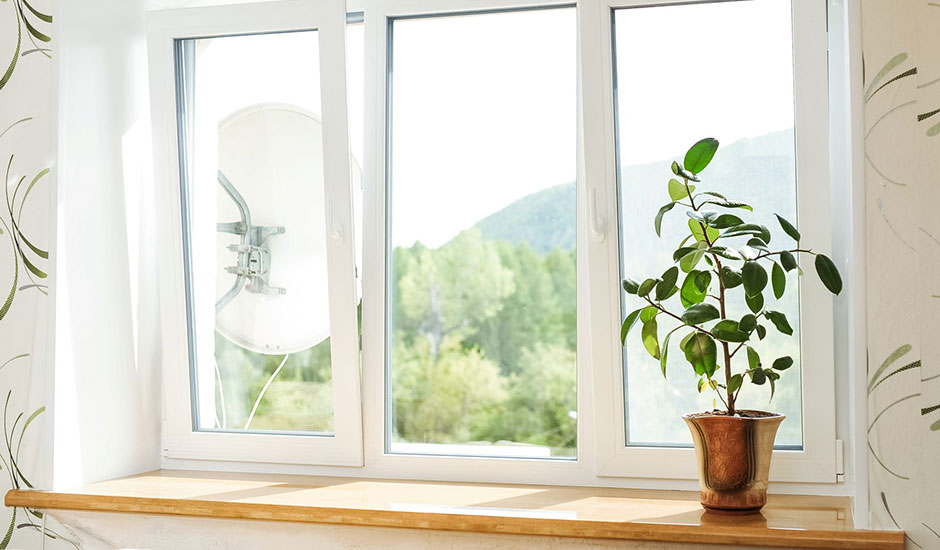
- Tilt-and-turn and casement windows work best. The tilt mode allows ventilation without fully opening the sash, which is safer during training sessions.
- Sliding systems are useful for display areas or tight spaces but offer less airtightness.
-
Insulated glass units (IGUs)
- Use double or triple glazed IGUs with low-emissivity coatings and warm-edge spacers. For noisy locations, acoustic IGUs improve sound reduction (higher Rw).
- For impact-prone areas, choose tempered or laminated glass to maintain safety in case of breakage.
-
Security and vandal resistance
- Consider impact-resistant IGUs and internal or external protective screens where needed. Use reinforced hardware with locking options on large sashes.
-
Ventilation and condensation control
- Incorporate mechanical ventilation or trickle vents in windows. Microventilation and tilt mode reduce stuffiness and prevent moisture buildup.
- Proper sill drainage and quality seals prevent damp issues.
Design and shading
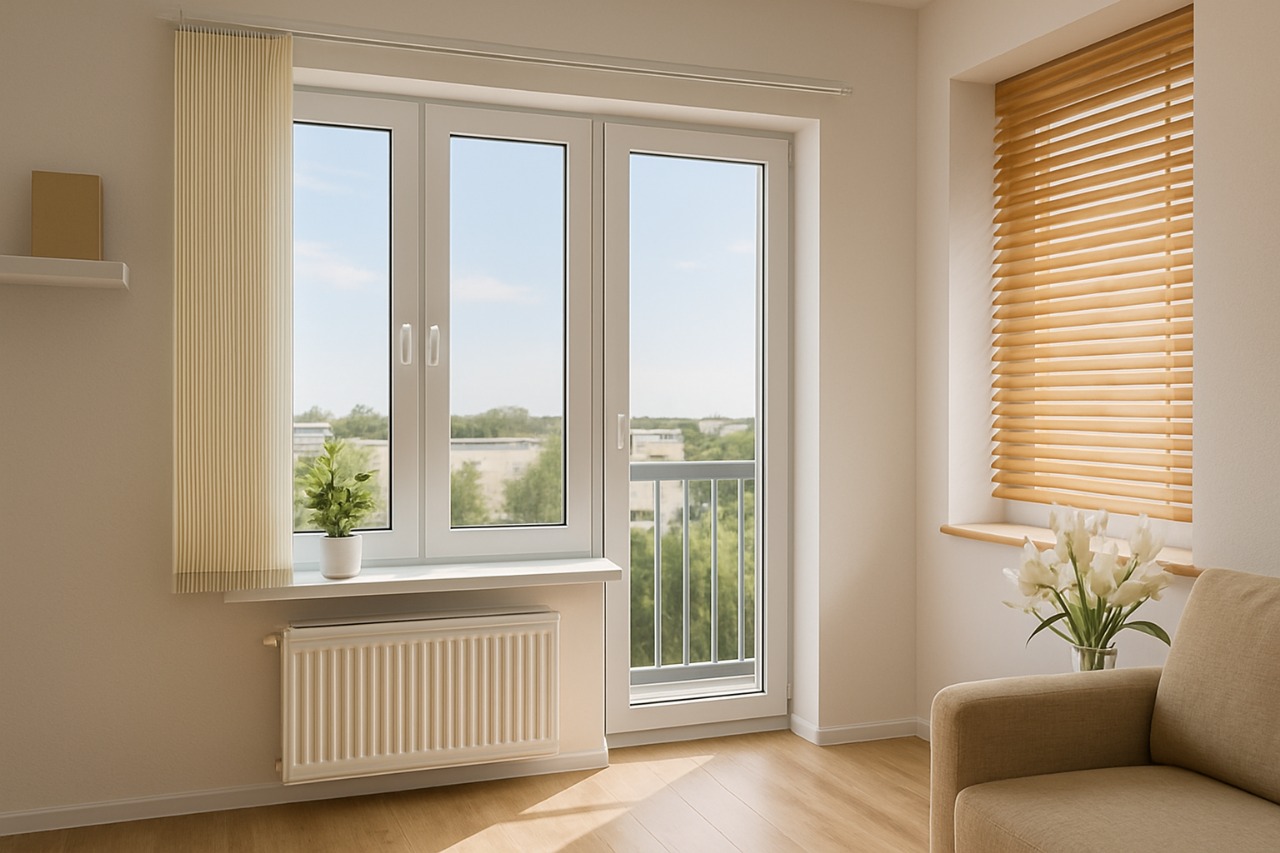
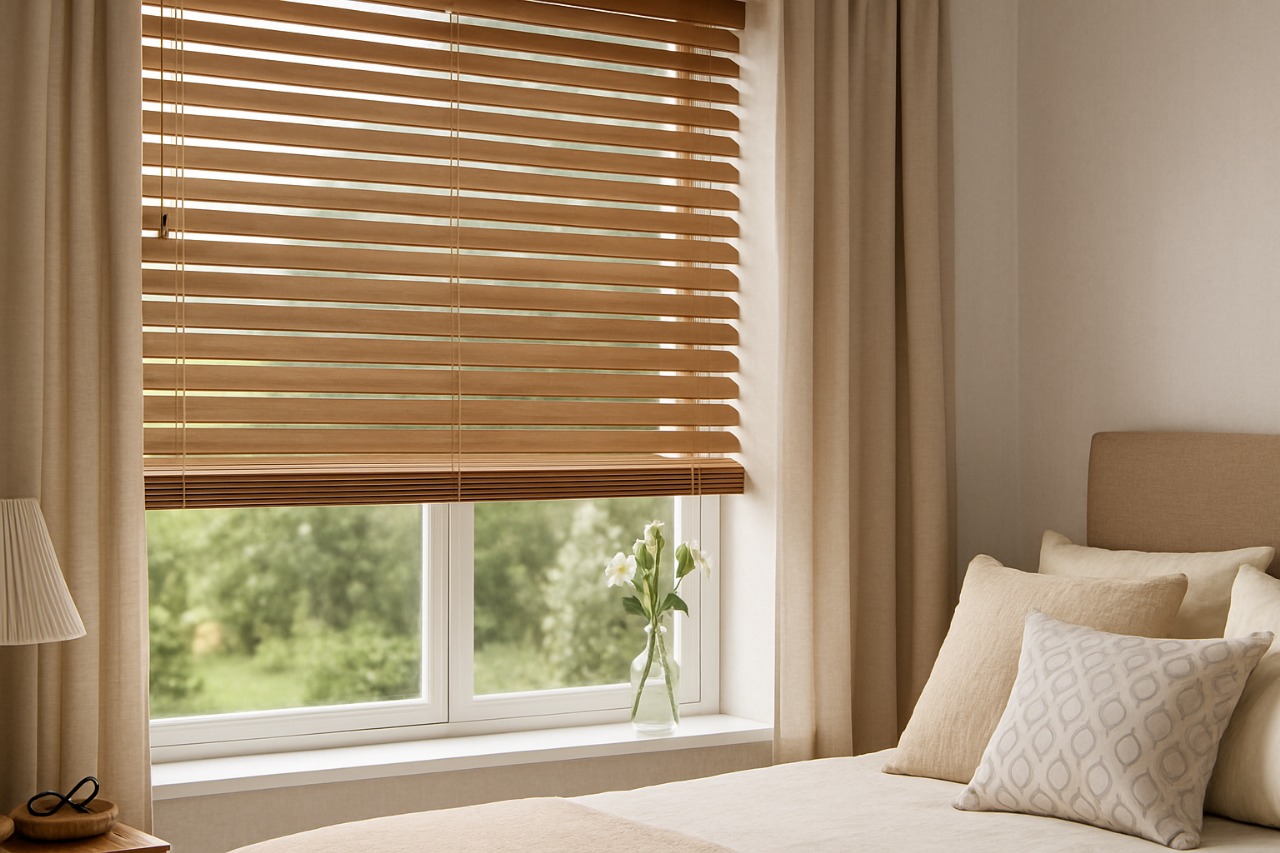
- Control glare and solar heat with internal or external blinds: roller, vertical, or fabric shades. Vertical blinds and cassette roller blinds are popular for gyms because they are easy to clean and durable.
- Choose neutral frame colors—light tones visually expand interior space and blend with most finishes.
Maintenance and care
- Wipe frames regularly with a soft cloth and neutral detergent.
- Inspect seals and hardware every 6–12 months and lubricate locks and hinges as needed.
- If condensation appears inside the IGU, replacement is necessary as the unit’s seal is compromised.
Quick checklist for selection
- Define priorities: sound insulation, safety, thermal performance.
- Select a 5–7 chamber profile with adequate reinforcement.
- Order IGUs with low-E glass and laminated options where impact risk exists.
- Plan ventilation and drainage with your installer.
Frequently Asked Questions (FAQ)
What type of glazing is best for a gym?
Energy-efficient double or triple glazing with acoustic layers is advisable for gyms near traffic or noisy areas. For impact risk, choose laminated or tempered glass.
Are ventilation valves necessary in window frames?
Yes. Microventilation helps maintain a healthy indoor climate and reduces the chance of mold without fully opening windows.
How to protect windows from ball impacts?
Combine impact-resistant IGUs (laminated/triple) with protective internal screens or strategically placed barriers in high-risk zones.
How often should window hardware be serviced?
Service and lubrication at least once a year; in heavy-use facilities, every six months is recommended.
What is the expected service life of PVC windows in a gym?
With proper selection and maintenance, PVC windows typically last 20–35 years depending on usage intensity and environmental conditions.
If you need, we can prepare a technical proposal with heat and sound calculations for your specific gym and recommend the optimal window and blind configuration.
DK-Logi blog topics and categories
Useful articles about PVC windows, blinds, and practical advice for your home.


GET A FREE WINDOW COST ESTIMATE!
Leave a request, and we will contact you to arrange a free measurement and provide a full cost estimate.
Your name
Your phone number *
Your e-mail
File
Choose file
Comment (e.g., window sizes, quantity, preferred profiles)

2025 © All rights reserved