WINDOWS


Date added: 03.12.25
PVC windows for kitchens
PVC windows for kitchens
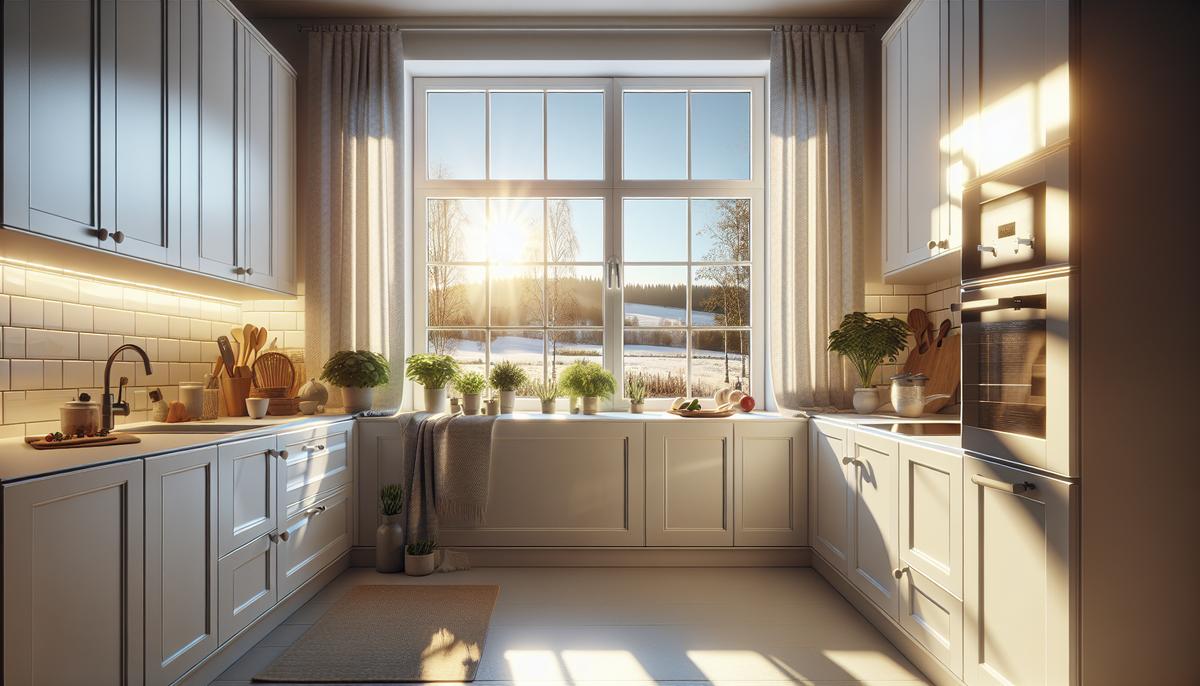
The kitchen is one of the most humid and active rooms in the home. Windows there are not only a source of light and fresh air, but also a barrier against steam, odors and temperature fluctuations. Well-chosen and professionally installed PVC windows improve comfort, save energy and protect cabinets, walls and finishes.
Why kitchen windows matter
- Kitchens experience frequent humidity and temperature swings.
- Steam, grease and condensation act on glass and frames more intensively.
- Poor frames or glass units can cause drafts and mold.
A kitchen window is both an interior element and a part of the room’s climate control.
Key requirements for PVC windows in kitchens
- Moisture-resistant profile and corrosion-resistant hardware suited for humid environments.
- Reliable sealing and gaskets to prevent odors and moisture ingress.
- Double- or triple-glazed insulated glass units with energy-saving coatings to reduce condensation and heat loss.
- Built-in ventilation options or micro-ventilation settings for the hardware.
Types of glass units and coatings
- Single-glazed units — affordable but less insulating.
- Double-glazed units — best balance of cost and performance.
- Low-E and other energy coatings — reduce heat loss and condensation.
- Tinted or patterned glass — for glare control and privacy.
Ventilation and moisture control
A kitchen window should work together with the extractor hood and ventilation system. Solutions include:
- Frame-mounted air vents for controlled fresh air without drafts.
- Micro-ventilation positions on the hardware to release excess moisture after cooking.
- Partially opening sashes when safe — avoid strong drafts that can affect cooking appliances.
Installation and sealing
Professional installation is critical. Pay attention to:
- Accurate alignment and secure anchoring of the frame.
- Proper foaming of joints followed by finishing and moisture protection.
- Insulation of reveals to maintain thermal and acoustic performance.
Poor installation leads to drafts, thermal bridges and possible mold growth.
Maintenance of PVC windows in kitchens
- Clean frames regularly with mild detergents — avoid abrasive cleaners.
- Treat gaskets with silicone spray or soft lubricant twice a year.
- Check and adjust hardware before cold seasons.
- Remove grease and soot promptly to prevent discoloration.
Blinds and window dressings for kitchens
- Horizontal blinds or roller blinds are practical and easy to clean.
- Choose moisture-resistant fabrics and coatings for roller shades.
- Use a moisture-proof windowsill (PVC or stone) and place plants away from constant steam.
Frequently asked questions (FAQ)
Can standard PVC windows be installed in kitchens?
Yes, if you choose moisture-resistant hardware, quality gaskets, and appropriate glazing. Consider double glazing and ventilation solutions.
How to prevent condensation on kitchen windows?
Combine improved ventilation (hoods, vents), insulated glazing and regular airing to reduce condensation.
Are special blinds required for kitchens?
Prefer moisture-resistant, easy-to-clean materials: aluminum, PVC or treated fabrics.
How long do PVC windows last in a kitchen environment?
With proper care and installation, 20–40 years depending on usage and maintenance.
Conclusion
Choosing PVC windows for a kitchen means considering moisture resistance, ventilation and quality installation. With the right combination of profile, glazing and fittings — and with proper care — you will get durable, energy-efficient windows that enhance kitchen comfort and appearance.
DK-Logi blog topics and categories
Useful articles about PVC windows, blinds, and practical advice for your home.




GET A FREE WINDOW COST ESTIMATE!
Leave a request, and we will contact you to arrange a free measurement and provide a full cost estimate.
Your name
Your phone number *
Your e-mail
File
Choose file
Comment (e.g., window sizes, quantity, preferred profiles)

2025 © All rights reserved