WINDOWS


Date added: 21.06.26
PVC windows for new buildings: selection features
PVC windows for new buildings: selection features
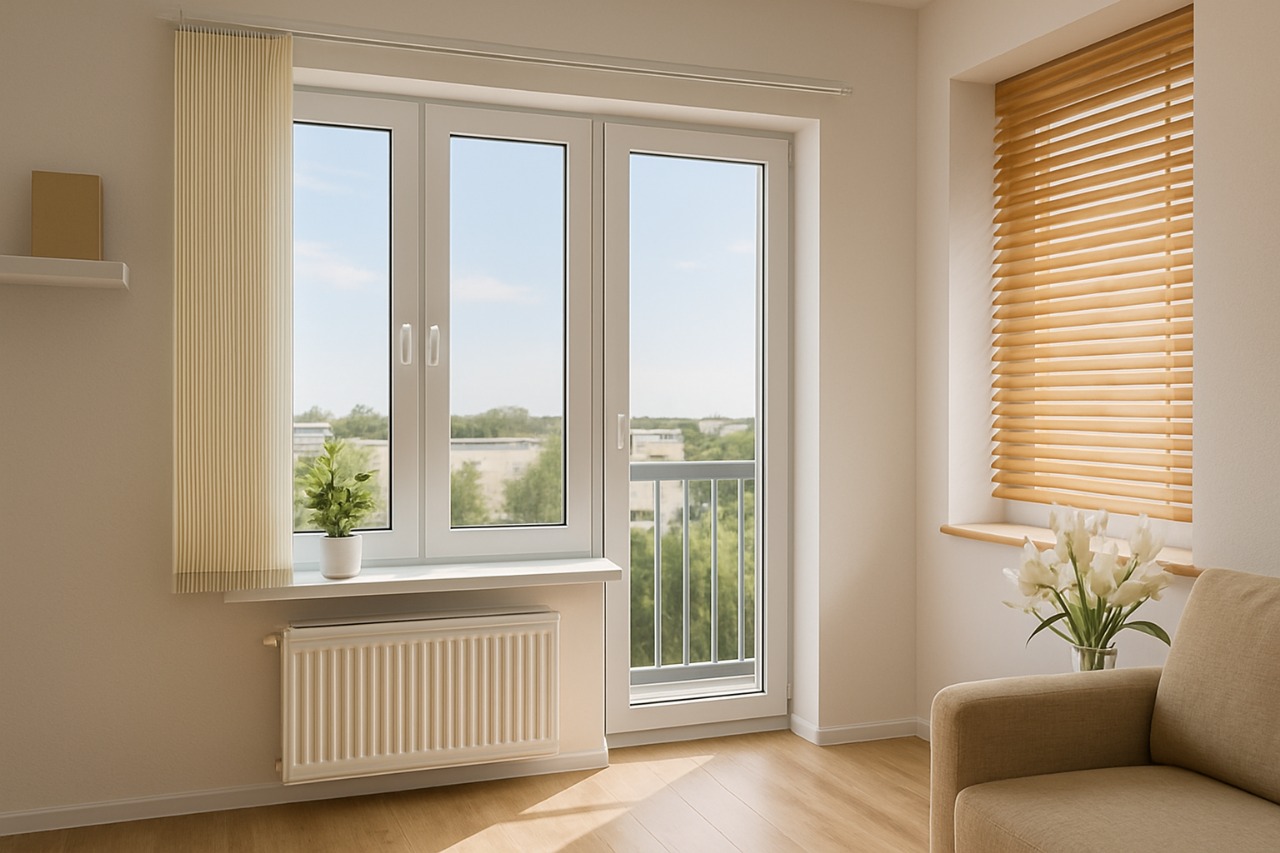
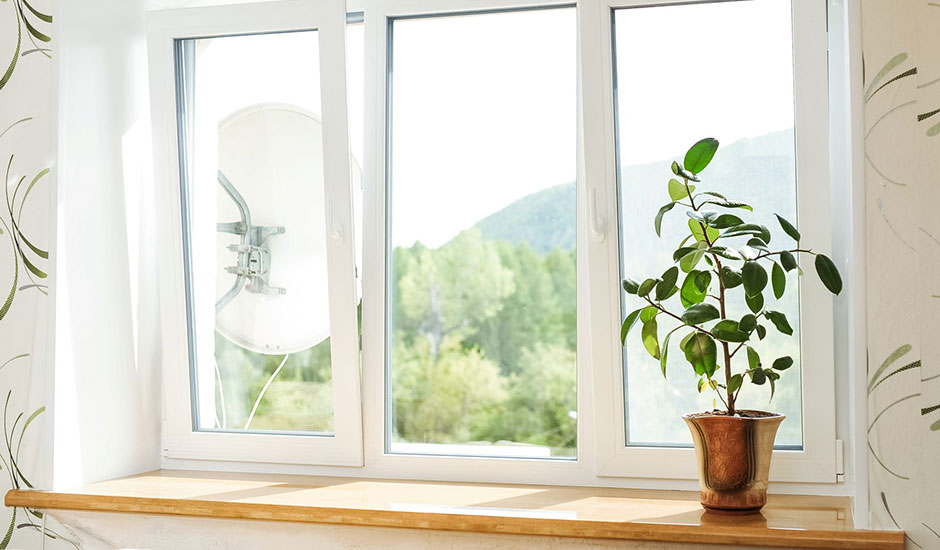
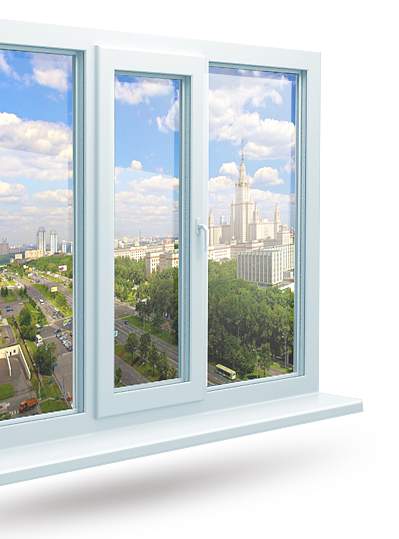
Selecting PVC windows for a new building has specific considerations: wall thickness, balcony glazing type, and ventilation strategy influence the choice of profile, glazing units and hardware. This guide helps apartment owners in Latvia choose durable and efficient windows.
Why new buildings are different
- New buildings often have thinner walls and different window recess depths which affect mounting and sill selection.
- Balconies and loggias may use lightweight glazing systems requiring different sealing solutions.
- Modern buildings may have mechanical ventilation — windows should support micro-ventilation features.
Profile type and chamber count
- Choose a profile with at least 3–4 chambers for a good price/performance ratio. For north-facing or corner apartments a 5-chamber profile gives better insulation.
- Profile width (60–80 mm) affects rigidity and the size of glazing units you can install. 70–80 mm is common in new-build apartments.
Glazing unit: double or triple glass
- Double glazed units (two chambers) are standard. For better thermal performance consider low-emissivity (Low-E) coatings and argon filling.
- For noisy streets consider acoustic glazing with different glass thicknesses or laminated glass.
Thermal performance and energy saving
- Energy efficiency reduces heating costs and prevents condensation.
- Use at least two sealing gaskets; materials like EPDM ensure long-term elasticity and tightness.
Sound insulation
- For apartments on busy roads choose glazing with asymmetric glass thickness and acoustic profiles.
- Tight-fitting hardware and additional seals significantly improve soundproofing.
Ventilation and indoor climate
- New buildings need proper air exchange: windows with micro-ventilation positions or integrated trickle vents are useful.
- Highly airtight windows require mechanical ventilation to avoid humidity issues.
Installation and tolerances
- Proper installation is critical: use mounting foam, vapor barriers and external waterproofing according to standards.
- Typical installation gap is 10–20 mm, filled with foam and sealed externally.
- Hardware must be adjusted after building settlement.
Hardware, sills and external drips
- Hardware should be corrosion-resistant and support micro-ventilation.
- Choose sills and external drips to match wall finishes and ensure drainage away from the facade.
Design and safety
- Colors, laminates and wood-effect finishes help integrate windows into interiors.
- Child safety locks and secure hinges improve protection and longevity.
Selection checklist for new-build apartments
- Identify exposure (sun/noise) and wall depth.
- Choose profile (3–5 chambers depending on conditions).
- Select glazing for thermal and acoustic needs.
- Ensure micro-ventilation or include trickle vents.
- Agree on installation gaps and sealing materials.
- Verify warranty, after-sales service and adjustments.
FAQ — Common questions
Is a 3-chamber profile enough for a new apartment?
For many apartments 3–4 chambers are sufficient. For colder exposures, corner units or thin walls, a 5-chamber profile provides more thermal resistance.
What glazing is best for a noisy street?
Look for insulating glass units with different glass thicknesses (for example 4-6-4) or laminated acoustic glass. Combine with good seals and correct installation for best results.
Do I need ventilation if windows are very airtight?
Yes. Airtight windows reduce natural air exchange. Install trickle vents or a mechanical ventilation system to maintain healthy indoor air.
How long do PVC windows last in a new building?
With correct profile, hardware and installation, PVC windows can last 20–35 years. Regular maintenance and hardware adjustment extend service life.
Should I order sills and external drips together with the windows?
Yes. Sills and drips are part of the installation and help protect the wall and improve insulation.
What to check during handover?
Check for deformations, even sealing, correct hardware operation, quality of joints, and available warranties and documentation.
If you want, we can prepare a tailored heat-loss calculation and a recommended specification for your apartment — provide window sizes, orientation and floor plan.
DK-Logi blog topics and categories
Useful articles about PVC windows, blinds, and practical advice for your home.

GET A FREE WINDOW COST ESTIMATE!
Leave a request, and we will contact you to arrange a free measurement and provide a full cost estimate.
Your name
Your phone number *
Your e-mail
File
Choose file
Comment (e.g., window sizes, quantity, preferred profiles)
2025 © All rights reserved