WINDOWS


Date added: 15.07.26
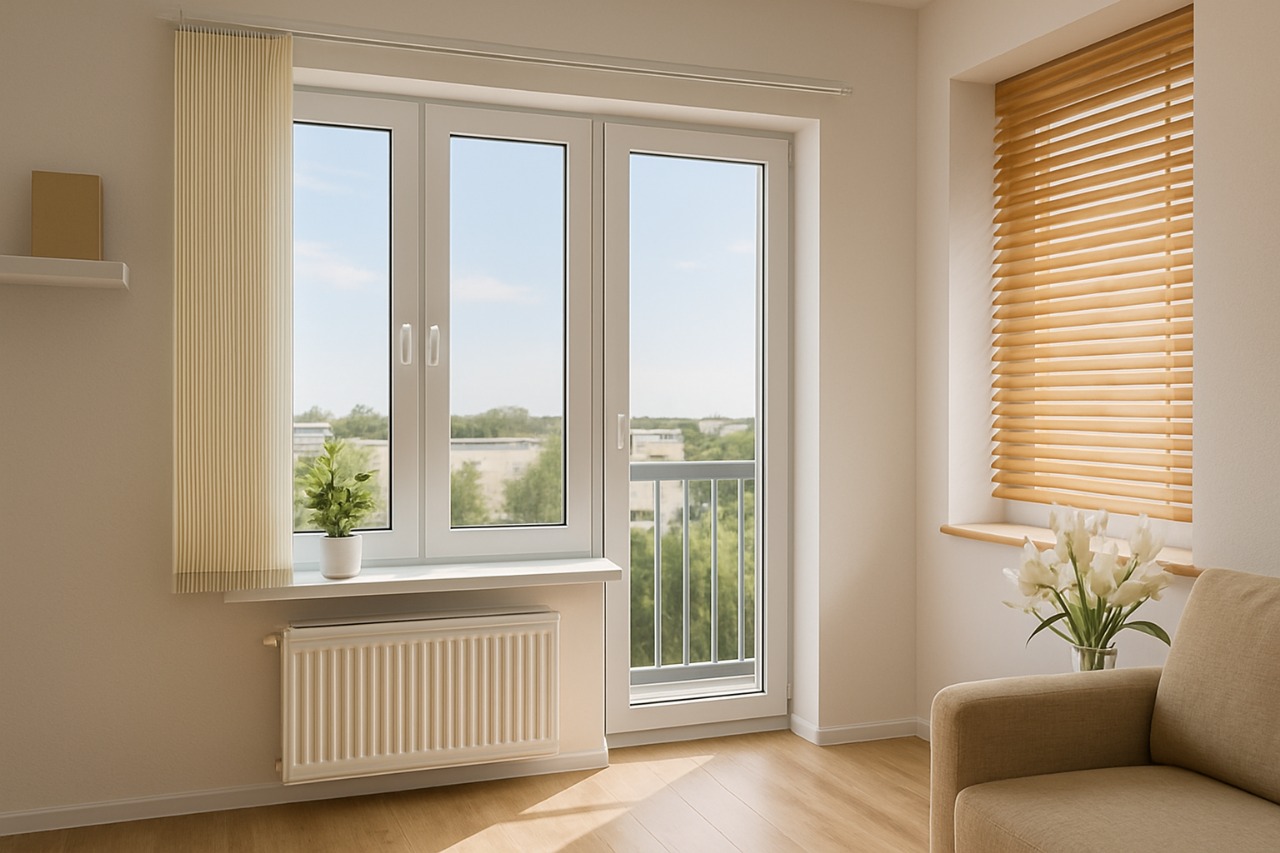
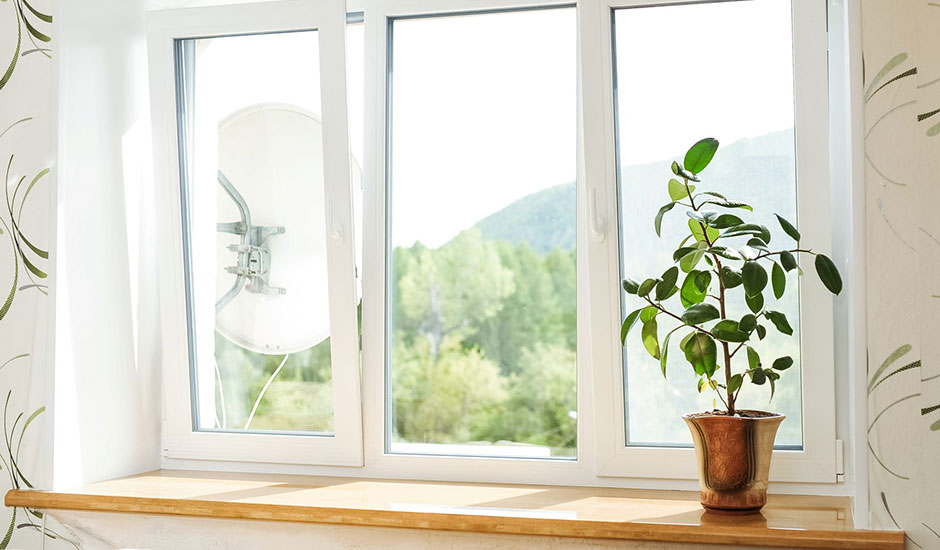
PVC windows for private houses with a terrace
PVC windows for private houses with a terrace
A terrace becomes a true extension of the home when glazing is chosen correctly. PVC windows for private houses with a terrace must combine thermal performance, durability and attractive design — this ensures a comfortable transition between indoor and outdoor spaces.
Why choose PVC for a terrace
- Excellent thermal insulation when the right profile and glazing are selected.
- Low maintenance: PVC requires no painting and is easy to clean.
- Flexible configurations: casement, sliding, folding, and panoramic systems.
- Good sound insulation — important when the terrace faces a street or busy area.
Design and construction solutions
Terrace glazing is often integrated with sliding or folding doors. Common approaches:
- Panoramic fixed glazing to maximize views and daylight.
- Sliding systems (sliders) to save space and provide easy access to the terrace.
- Tilt-and-turn windows combined with fixed panes for ventilation and sightlines.
Choose reinforced profiles for wide openings and coordinate frame color and hardware with the terrace finish.
Glazing and energy efficiency
For Northern European climates, 2- or 3-chamber insulated glass units with Low-E coating and inert gas filling (argon/krypton) are recommended. Consider:
- Warm-edge spacer bars made of stainless steel or composite materials.
- Solar control or tinted layers for south-facing terraces.
- Laminated or tempered safety glass for wind load and security.
Proper insulation reduces heat loss and makes the terrace usable during shoulder seasons.
Moisture management and drainage
Proper slope and drainage under the window are essential. Plan for:
- Continuous exterior drip and a reliable sill detail.
- Durable gaskets resistant to UV and frost.
- Sealing of the installation gap with vapor and moisture barriers.
Installation and interface with the terrace
Installation is decisive. A high-quality window can be ruined by poor installation. Tips:
- Use certified installers experienced with terrace glazing.
- Follow project-specific anchor and fastening schemes.
- Check compatibility with floor finishes and thresholds to avoid thermal bridges.
Hardware and security
Select hardware with multi-point locking and anti-lift protection for large sashes. Consider:
- Enhanced security locks;
- Ventilation restrictors and tilt positions;
- Soft-closing and anti-slam solutions for heavy panels.
Maintenance and care
- Clean gaskets and drainage channels regularly.
- Lubricate hardware with manufacturer-recommended products.
- Avoid aggressive cleaners and abrasive tools on PVC and glass.
Frequently Asked Questions (FAQ)
1. Can PVC windows be installed in an existing terrace?
Yes. Proper preparation of the opening and correct installation with moisture protection are essential to ensure performance.
2. What glazing is best for a south-facing terrace?
A 2- or 3-chamber IGU with Low-E coating and solar control (tinting or reflective layer) reduces overheating while maintaining insulation.
3. Do terrace windows need a sill?
A sill or a broader bench can be used; it must be weather-resistant and allow ventilation under the frame to prevent moisture buildup.
4. How to keep a terrace warm in shoulder seasons?
Use high-performance IGUs, insulate the installation gap well, and consider temporary glazing or supplemental heating if needed.
5. Which opening types suit terraces?
Sliding doors, folding (concertina) systems, and fixed panoramic windows are popular depending on budget and access needs.
6. How to extend the lifespan of PVC windows on a terrace?
Regular maintenance of seals and hardware, cleaning of drainage channels, and scheduled inspections keep windows in top condition.
7. Is additional ventilation required?
Yes; to control condensation and indoor air quality, incorporate trickle vents or controlled mechanical ventilation where appropriate.
Summary
- PVC offers durability, low maintenance and good insulation for terraces.
- Reinforced profiles are necessary for wide or heavy glazing.
- 2–3 chamber IGUs with Low-E and argon deliver energy efficiency.
- Proper drainage and sealant work are critical for longevity.
- Certified installation prevents thermal bridges and water ingress.
- Multi-point locking and anti-lift hardware improve security.
- Regular care of seals and hardware preserves performance.
- Integrate design with sliding or panoramic systems for seamless access.
DK-Logi blog topics and categories
Useful articles about PVC windows, blinds, and practical advice for your home.


GET A FREE WINDOW COST ESTIMATE!
Leave a request, and we will contact you to arrange a free measurement and provide a full cost estimate.
Your name
Your phone number *
Your e-mail
File
Choose file
Comment (e.g., window sizes, quantity, preferred profiles)

2025 © All rights reserved