WINDOWS


Date added: 15.08.26
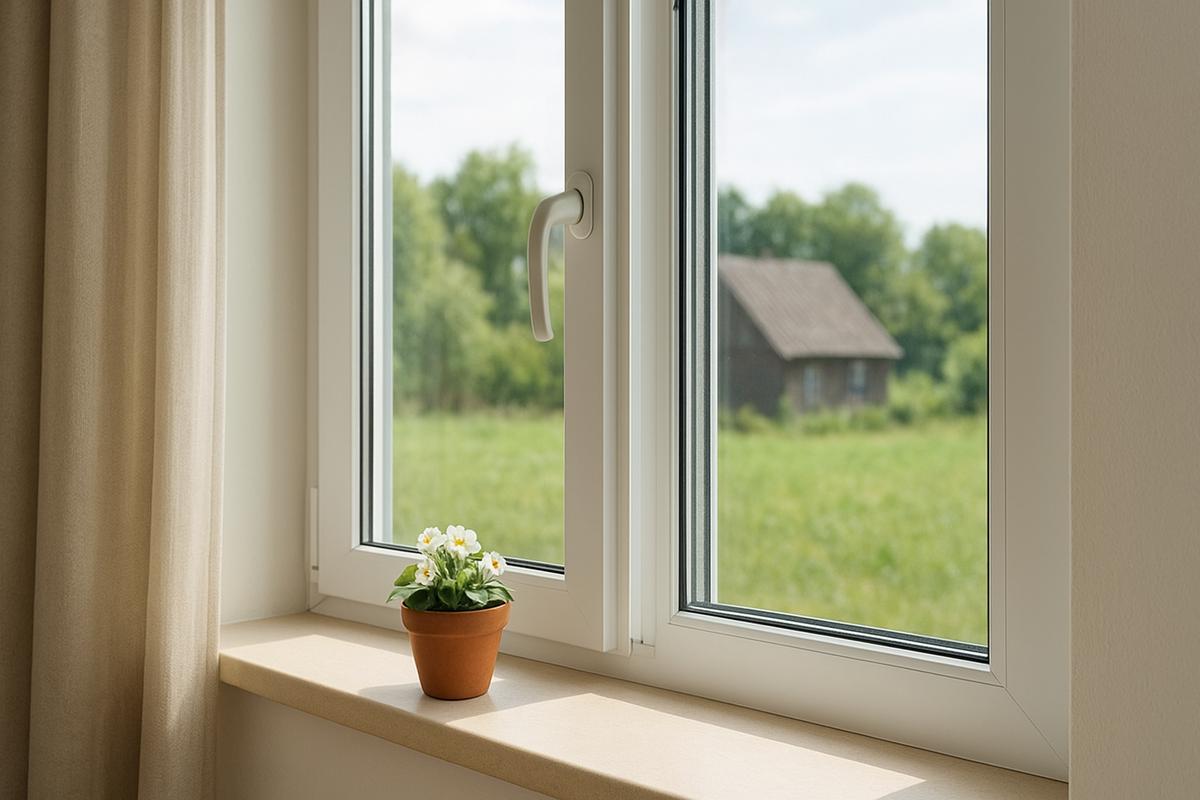
PVC windows for rural houses
PVC windows for rural houses
Summary
- Advantages of PVC in rural conditions
- Thermal and sound insulation recommendations
- Choosing profile and insulated glass units
- Installation tips for uneven walls and wooden houses
- Maintenance and longevity in dusty environments
- Common issues and quick fixes
Introduction
Upgrading windows is one of the most effective ways to improve comfort and energy efficiency in a rural home. PVC windows are widely chosen because of their durability, low maintenance and favorable thermal properties. This article explains what to look for when selecting PVC windows for countryside houses, how to install them correctly, and how to maintain them to ensure long service life.
Why PVC is a good choice for rural homes
- Resistance to moisture and rot: PVC does not rot or corrode, which is crucial where humidity and weather fluctuations are common.
- Low maintenance: periodic cleaning and occasional lubrication of fittings are usually enough.
- Repairability: seals, fittings, and even glass units can be replaced without major structural work.
Thermal performance and energy savings
For rural homes, thermal efficiency reduces heating costs. Key points:
- Choose a profile with 3–5 chambers to increase thermal resistance.
- Opt for double- or triple-glazed insulated glass units (IGUs) with argon fill and Low-E coating.
- Ensure proper sealing and use of vapor and waterproof membranes in the mounting joint.
Well-chosen windows help maintain stable indoor temperatures and lower fuel consumption for heating.
Durability and maintenance
Maintenance tips:
- Clean frames with mild soapy water every 3–6 months.
- Lubricate moving parts annually with appropriate grease.
- Inspect and replace worn seals to prevent drafts and moisture ingress.
In rural settings protect seals from dust, sap, and mechanical damage from garden tools or animals.
Choosing profile and hardware
- Profile: use certified systems with proven thermal and acoustic performance.
- Hardware: stainless or anti-corrosive coated fittings perform better in variable conditions.
- Sills and claddings: use UV-resistant and moisture-resistant materials to avoid damage.
Installation considerations for rural buildings
- Ventilation: install trickle vents or controlled ventilation to avoid condensation and mold.
- Mounting: use expanding foam and reinforcing profiles when walls are uneven or non-standard.
- Drainage: ensure correct water drainage from sills and frames to prevent water accumulation.
Tip: hire installers experienced with wooden and masonry rural houses; wall settling and non-plumb surfaces require precise techniques.
Common problems and solutions
- Condensation: improve ventilation or upgrade to better insulating IGUs.
- Leaks during heavy rain: check exterior sealing and flashing.
- Warped sashes after structural movement: adjust hardware or, if necessary, re-mount the frame.
FAQ — practical answers
1. Are standard PVC windows suitable for timber houses?
Yes, but allow for movement: leave installation gaps and use flexible sealing tapes and joints.
2. Which IGU is best for cold climates?
Choose double- or triple-glazed units with argon fill and Low-E coatings; in very cold areas prioritize triple glazing.
3. How to protect windows from dust and insects?
Use insect screens and exterior drip edges; regular cleaning of external profiles reduces dust buildup.
4. How often should windows be serviced?
Clean 2–4 times a year, lubricate fittings annually, and inspect seals seasonally.
5. Is DIY installation recommended?
Professional installation is strongly recommended for rural buildings due to uneven walls and potential settling.
Conclusion
PVC windows offer a reliable, low-maintenance, and thermally efficient solution for rural homes. The best results come from choosing the right profile and IGU, ensuring high-quality installation, and performing seasonal maintenance. With these measures, PVC windows will provide comfort and energy savings for many years.
DK-Logi blog topics and categories
Useful articles about PVC windows, blinds, and practical advice for your home.


GET A FREE WINDOW COST ESTIMATE!
Leave a request, and we will contact you to arrange a free measurement and provide a full cost estimate.
Your name
Your phone number *
Your e-mail
File
Choose file
Comment (e.g., window sizes, quantity, preferred profiles)

2025 © All rights reserved