WINDOWS


Date added: 26.11.26
PVC windows for the Lithuanian project (new): recommendations
Summary
- Main climate considerations for Lithuania and their impact on window choice.
- Recommended thermal and acoustic performance (Uw, Rw).
- Profile specifications: chamber count, reinforcement, seals.
- Glazing options: triple units, warm edge spacer, gas fills.
- Installation best practices: vapor/wind barriers, mounting tape, three-layer joint.
- Accessories: blinds, insect screens, sills, drip edges.
Introduction
Choosing the right PVC windows for a new-build project in Lithuania affects energy efficiency, comfort, and long-term operating costs. This guide provides practical recommendations for architects, contractors and clients to select and correctly install modern PVC windows adapted to the Lithuanian climate.
Climate and thermal performance
Lithuania experiences cold winters and moderate summers. Priorities are thermal insulation and airtightness:
- Recommended Uw for new standard projects: 0.8–1.1 W/m²·K. For high-performance or near‑passive buildings aim for ≤0.8 W/m²·K.
- Note: the final Uw depends on the profile, glazing combination and installation quality — request producer calculations.
Acoustic insulation
- For urban/coastal areas target Rw of 33–40 dB. For noisy streets, use laminated or thicker glass and increase glazing mass.
Profile and construction
- Chamber count: 5–7 chambers in the profile typically balance cost and insulation.
- Reinforcement: steel or composite reinforcements are required for larger sashes.
- Seals: at least two sealing lines; EPDM or durable synthetic seals are recommended.
Glass units and components
- Double glazing for basic builds; for new projects prefer triple glazing or three-pane insulating units.
- Argon or krypton gas filling reduces heat transfer.
- Warm edge spacer reduces edge heat loss and condensation.
- Low‑E coatings retain heat in winter and help control solar gain in summer.
Installation and sealing (critical)
- Correct installation matters more than any single product feature. Use a three-layer joint: internal vapor barrier, insulating mounting layer (foam + sealing tape), and external wind/water‑proof tape.
- Ensure correct drainage and slope for drip edges.
- Follow recommended clearances for foam expansion and final sealing.
Poor installation can reduce actual window performance by 20–40%.
Finishes and accessories
- Finishes: white PVC is standard; woodgrain and darker laminates are possible but consider heat absorption on dark surfaces.
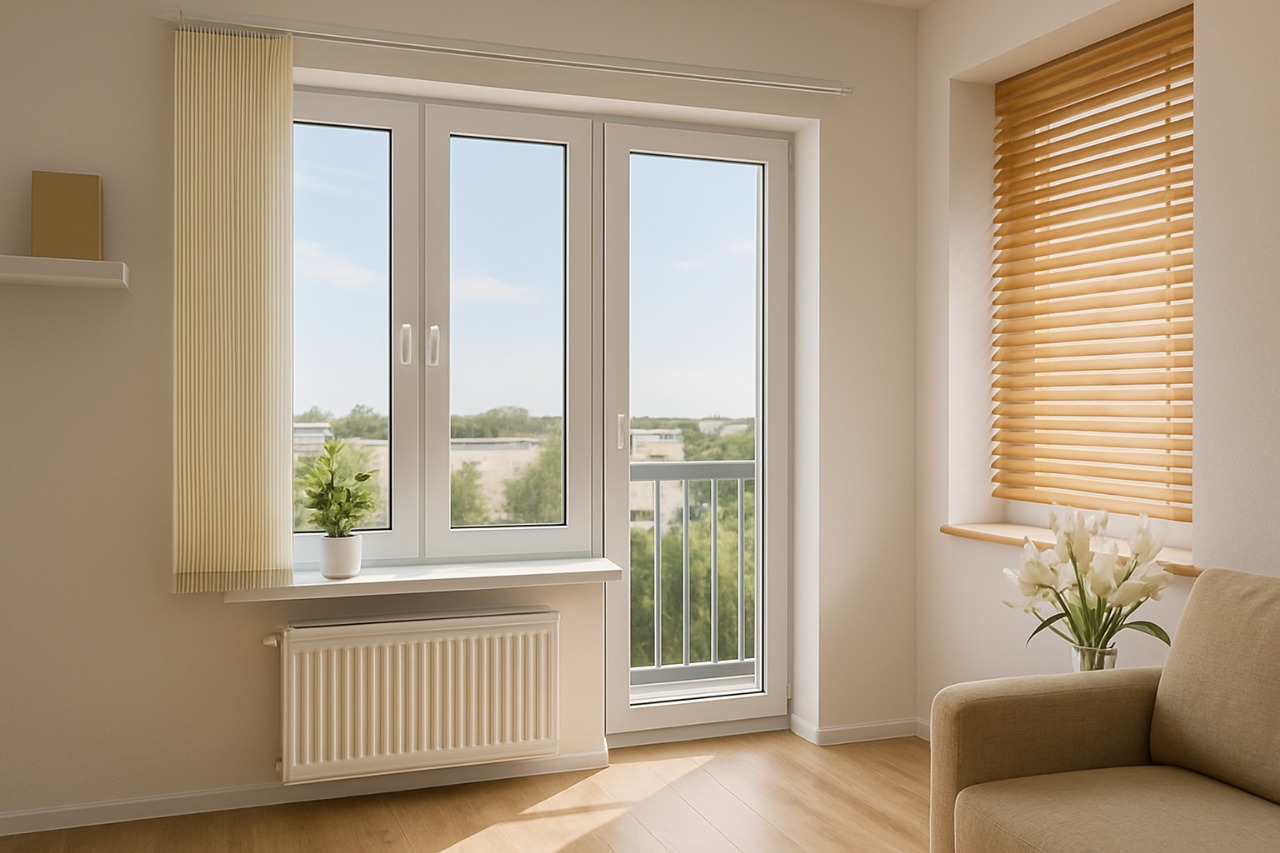
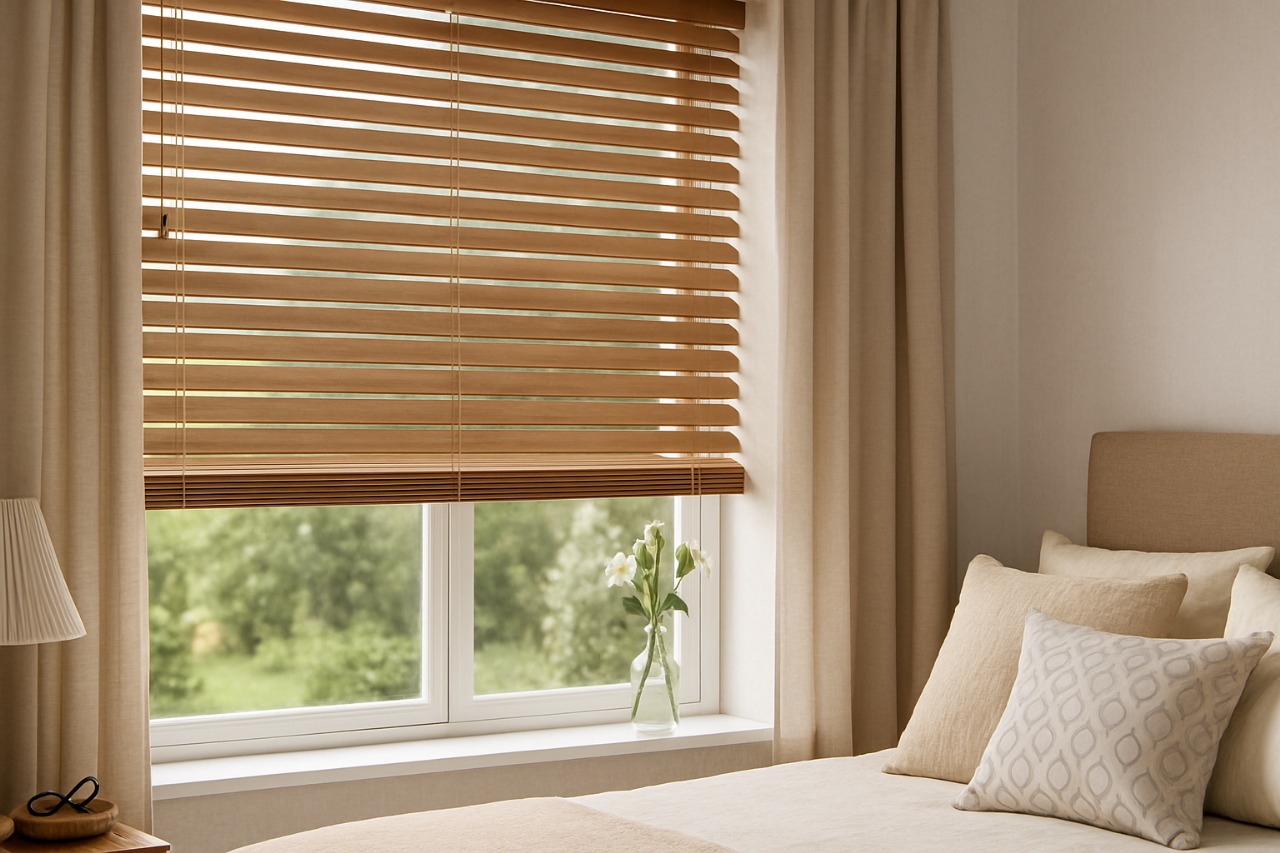
- Blinds, roller shades or integrated between‑glass blinds are options for privacy and sun control.
- Insect screens, sills, drip edges and tilt‑and‑turn hardware should be selected to meet project specifications.
Certification and warranties
- Request CE marking, compliance with EN 14351-1 and test reports for Uw and Rw.
- Typical warranties: 5–10 years for profiles and hardware; installation warranties may be separate.
Cost and value tips
- Consider whole-building strategies (orientation, shading) which often give higher ROI than upgrading a single component.
- Compare full package prices (window + installation + finishing works), not just profile cost.
FAQ
Q: What Uw should I request for a new-build in Lithuania?
A: For standard new residential projects 0.8–1.1 W/m²·K is a practical target. For low-energy or passive projects aim for ≤0.8 W/m²·K. Always confirm with manufacturer calculations including the installation joint.
Q: Is a warm edge spacer necessary?
A: Yes — it reduces thermal bridging at the glass edge and lowers the risk of condensation.
Q: How to reduce street noise?
A: Use laminated or thicker glass layers, staggered glazing thicknesses, and ensure airtight installation with quality seals.
Q: What are typical lead times?
A: Depending on glazing complexity and finishes: 2–8 weeks. Plan installations to avoid wet interior finishing phases.
Q: What post-installation checks are important?
A: Verify operation of hardware, drainage channels, seal integrity, and that interior/exterior finishing is compatible with the sealing tape used.
If you want, we can prepare a technical specification (BoQ) for manufacturers with precise Uw/Rw targets and recommended component lists for your Lithuanian project.
DK-Logi blog topics and categories
Useful articles about PVC windows, blinds, and practical advice for your home.

GET A FREE WINDOW COST ESTIMATE!
Leave a request, and we will contact you to arrange a free measurement and provide a full cost estimate.
Your name
Your phone number *
Your e-mail
File
Choose file
Comment (e.g., window sizes, quantity, preferred profiles)
2025 © All rights reserved