WINDOWS


Date added: 28.08.26
PVC windows for verandas
PVC windows for verandas
Glazing a veranda transforms it into a comfortable, usable space throughout the year. PVC windows for verandas combine good thermal performance, high airtightness and a wide range of configurations: fixed panels, casement and tilt-and-turn, sliding systems. In this guide we'll explain how to choose PVC windows for your veranda, which technical features matter, and how to install and maintain them.
Why choose PVC for a veranda
- Strong thermal insulation: modern multi-chamber profiles and insulated glass units reduce heat loss.
- Resistance to moisture and temperature changes: PVC frames do not warp and require minimal maintenance.
- Versatile designs: fixed glazing, combined door-window units, sliding panoramic systems.
- Cost-effectiveness: balanced price and lifecycle performance.
Key selection criteria
- Profile: chamber number (3, 5, 6+) affects thermal and acoustic insulation. For verandas 5-chamber or more is recommended.
- IGU (insulated glass unit): a double- or triple-glazed energy-saving unit filled with argon offers better thermal retention.
- Seals: durable rubber seals prevent drafts and prolong service life.
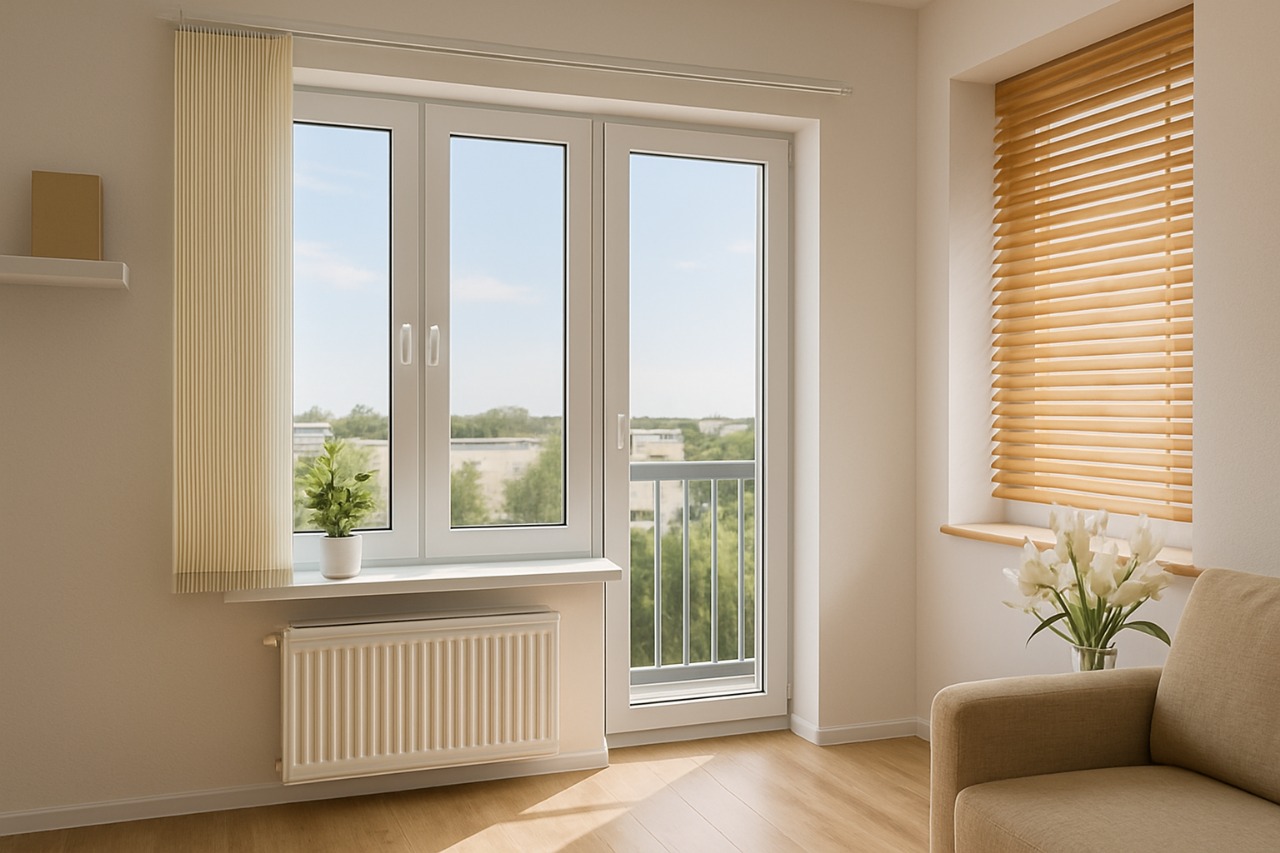
- Opening type: sliding saves space but can offer less airtightness; casement and tilt-turn are more airtight and secure.
- Finish and color: lamination or painting allows matching the veranda’s interior style.
Thermal and sound insulation
A correctly selected profile and IGU keep the veranda comfortable during transitional seasons. Improve insulation by choosing:
- Low-E (low-emissivity) glass,
- Argon-filled cavities,
- Warm installation techniques with appropriate sealants and external trims.
Tip: For living use, aim for an overall Uw value below 1.4 W/m²·K (considering frame and glazing together).
Construction options for verandas
- Fixed (non-opening) panels — economical and simple to install.
- Window-door combinations — allow direct access to a terrace or garden.
- Sliding systems — ideal for panoramic vistas and space saving; require careful waterproofing.
Installation and base preparation
Correct installation is critical: poor work leads to drafts and heat loss. Main steps include:
- preparing a level, stable foundation,
- aligning the frame plumb and level,
- anchoring with appropriate fixings and using warm installation foam,
- finishing with proper trim and water diversion to protect the base.
Maintenance and care
- Clean profiles and seals regularly with warm water and mild detergent.
- Avoid abrasive cleaners and solvents.
- Inspect hardware periodically and lubricate moving parts with recommended agents.
- If you notice drafts, call a service technician to adjust the sashes.
FAQ
Do I need additional insulation after installing PVC windows?
Yes. Windows are part of the thermal envelope, but floors, ceilings and walls also need insulation to maintain year-round comfort.
Which IGU is best for a north-facing veranda?
A double- or triple-glazed energy-saving IGU with argon fill and Low-E coating is recommended.
Are sliding windows suitable for all-season use?
Sliding systems are convenient but generally less insulating; choose models with enhanced seals for year-round use.
Can I install blinds or rolling shutters on a veranda?
Yes, internal and external sun-shading systems are compatible and help control heat gain and light.
How long do PVC windows last on a veranda?
With proper care, PVC profiles last 25–40 years; glass units typically remain effective for 10–20 years depending on conditions.
Conclusion
PVC windows are a practical, durable solution for verandas that improves comfort and energy efficiency. Choose the right profile, IGU and trusted installers to ensure long service life. Contact DK-Logi for a consultation, measurement and a custom project tailored to your veranda.
DK-Logi blog topics and categories
Useful articles about PVC windows, blinds, and practical advice for your home.



GET A FREE WINDOW COST ESTIMATE!
Leave a request, and we will contact you to arrange a free measurement and provide a full cost estimate.
Your name
Your phone number *
Your e-mail
File
Choose file
Comment (e.g., window sizes, quantity, preferred profiles)

2025 © All rights reserved