WINDOWS


Date added: 24.08.26
PVC windows for winter gardens
PVC windows for winter gardens: guide and practical tips
Summary
- Benefits of PVC windows: insulation, durability, low maintenance
- Choosing profiles and insulating glass for year-round comfort
- Warm vs cold glazing and hybrid schemes
- Ventilation and condensation control are essential
- Sun control: blinds, low-e glass, and shading systems
- Proper installation and sealing determine performance
Introduction
A winter garden is a semi-open living space where glass surfaces dominate. Properly selected PVC windows and glass systems provide thermal comfort, reduce energy consumption and keep humidity under control. This guide explains how to choose, equip and maintain PVC glazing for winter gardens.
Why PVC is a good option
- Excellent thermal and sound insulation with modern multi-chamber profiles.
- Resistant to rot and corrosion, minimal maintenance required.
- Compatible with a variety of insulated glass units, fittings and shading systems.
Profile and insulated glass: essential choices
- Profile: 5- or 6-chamber PVC systems with high thermal resistance; reinforced where necessary.
- Insulated glass unit (IGU): at least double-glazed (two panes), preferably triple-glazed with argon filling for colder climates.
- Glass coatings: Low-E and solar-control coatings reduce heat loss and limit UV exposure.
Warm, cold and hybrid glazing
- Warm glazing (high-performance IGUs and thermal breaks) makes the winter garden usable year-round.
- Cold glazing is suitable for seasonal use and lower cost.
- Hybrid solutions combine heated lower zones and ventilated upper sections for balanced climate control.
Ventilation and moisture management
PVC windows are highly airtight, so plan for controlled ventilation:
- Micro-ventilation features in hardware.
- Mechanical supply and exhaust ventilation for larger or fully insulated winter gardens.
- Dehumidification when necessary to avoid condensation and mold.
Solar control and shading options
To prevent overheating and glare:
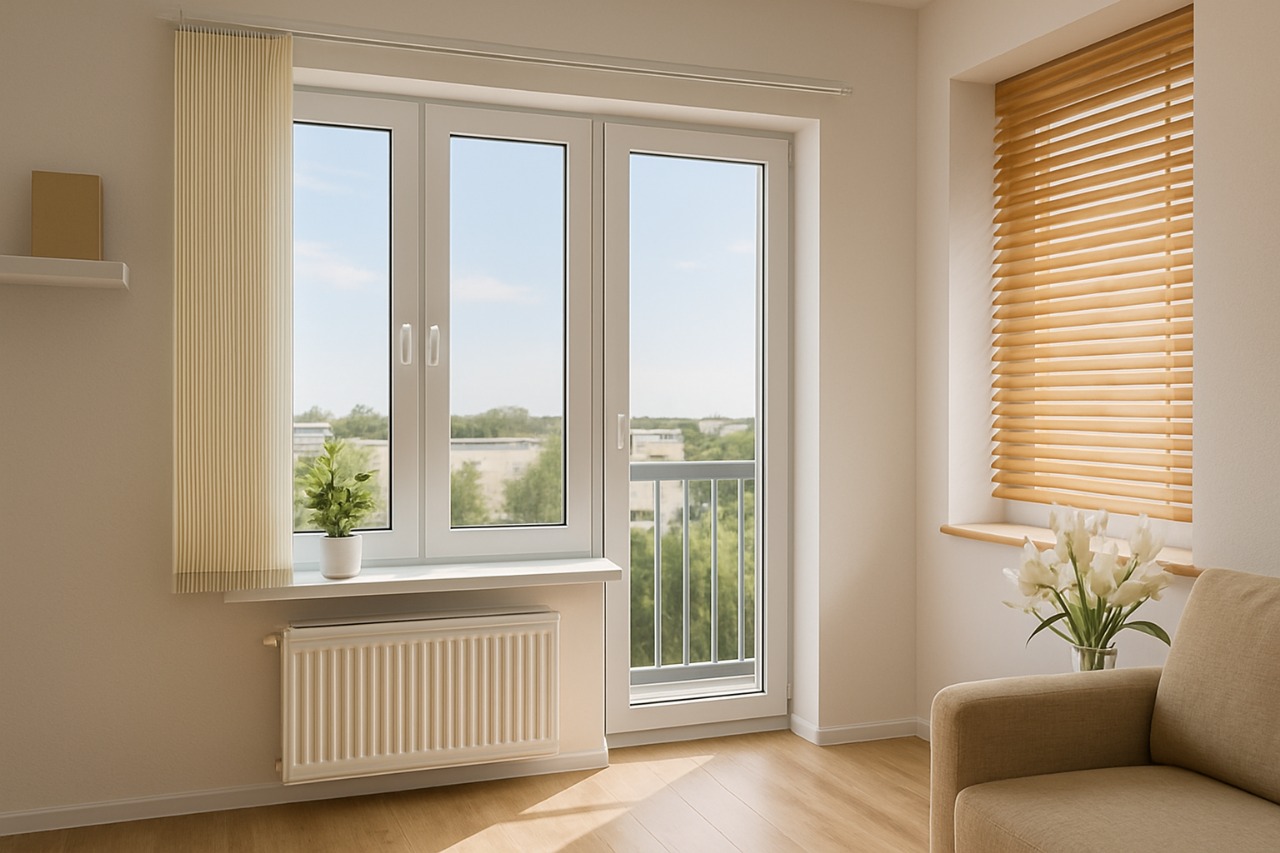
- Use internal or external blinds (roller, vertical, Venetian) depending on aesthetics and effectiveness.
- Consider solar-control glass or selective coatings.
- Automated shading systems can maintain comfort while preserving views.
Installation and sealing
Professional installation is crucial:
- Stable structural base and correct anchoring of large glazing units.
- Multi-layer sealing: internal vapor barrier and external weatherproofing.
- Movement joints on large spans and careful treatment of junctions.
Design and extras
- Integrated blinds between glass units for low maintenance.
- Sliding or folding systems for easy access to the garden.
- Durable window sills and space for plants and furnishings.
Maintenance
- Clean seals and drainage channels regularly.
- Lubricate hardware annually or biannually.
- Inspect sealants and replace deteriorated silicone or tape seals promptly.
Frequently Asked Questions
Q: What IGU is best for a winter garden?
A: Triple-glazed IGUs with argon and Low-E coatings offer the best thermal performance, especially in colder climates.
Q: Is warm glazing necessary if the winter garden is rarely used?
A: If occasional use is planned, consider hybrid solutions or a warm glazing with minimal heating to avoid high energy bills.
Q: How can I avoid condensation?
A: Ensure adequate ventilation, use micro-ventilation hardware, and control indoor humidity through ventilation or dehumidifiers.
Q: Which blinds are suitable for winter gardens?
A: Roller and vertical blinds are common; integrated between-glass blinds offer dust-free operation and clean aesthetics.
Q: Do large glazed constructions need special design?
A: Yes. Structural calculations, thermal movement joints, and ventilation design are necessary for large winter gardens.
Conclusion
PVC windows are a practical and efficient choice for winter gardens when paired with the right IGUs, ventilation and installation. Thoughtful selection and professional assembly will ensure comfort, energy efficiency and long service life.
DK-Logi blog topics and categories
Useful articles about PVC windows, blinds, and practical advice for your home.




GET A FREE WINDOW COST ESTIMATE!
Leave a request, and we will contact you to arrange a free measurement and provide a full cost estimate.
Your name
Your phone number *
Your e-mail
File
Choose file
Comment (e.g., window sizes, quantity, preferred profiles)

2025 © All rights reserved