WINDOWS


Date added: 25.04.26
Roman blinds: modern home solutions
Summary
- What roman blinds are and where to use them
- Benefits: light control, insulation, visual appeal
- Materials: cotton, linen, polyester, blackout, bamboo
- Controls: cord, chain, spring, motorized options
- Measuring and mounting on PVC windows
- Maintenance and cleaning tips
- Interior combinations and styling ideas
- Common questions and practical advice
What are Roman blinds?
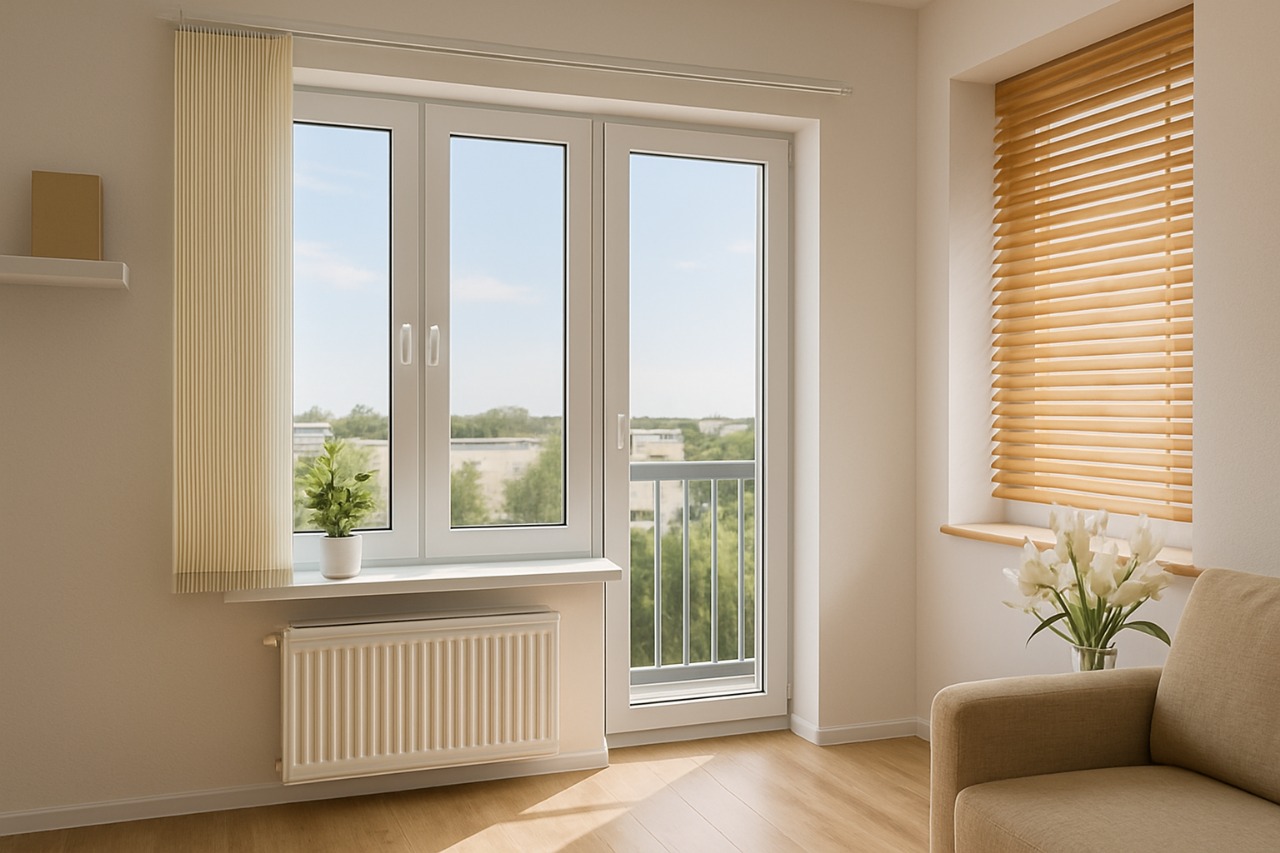
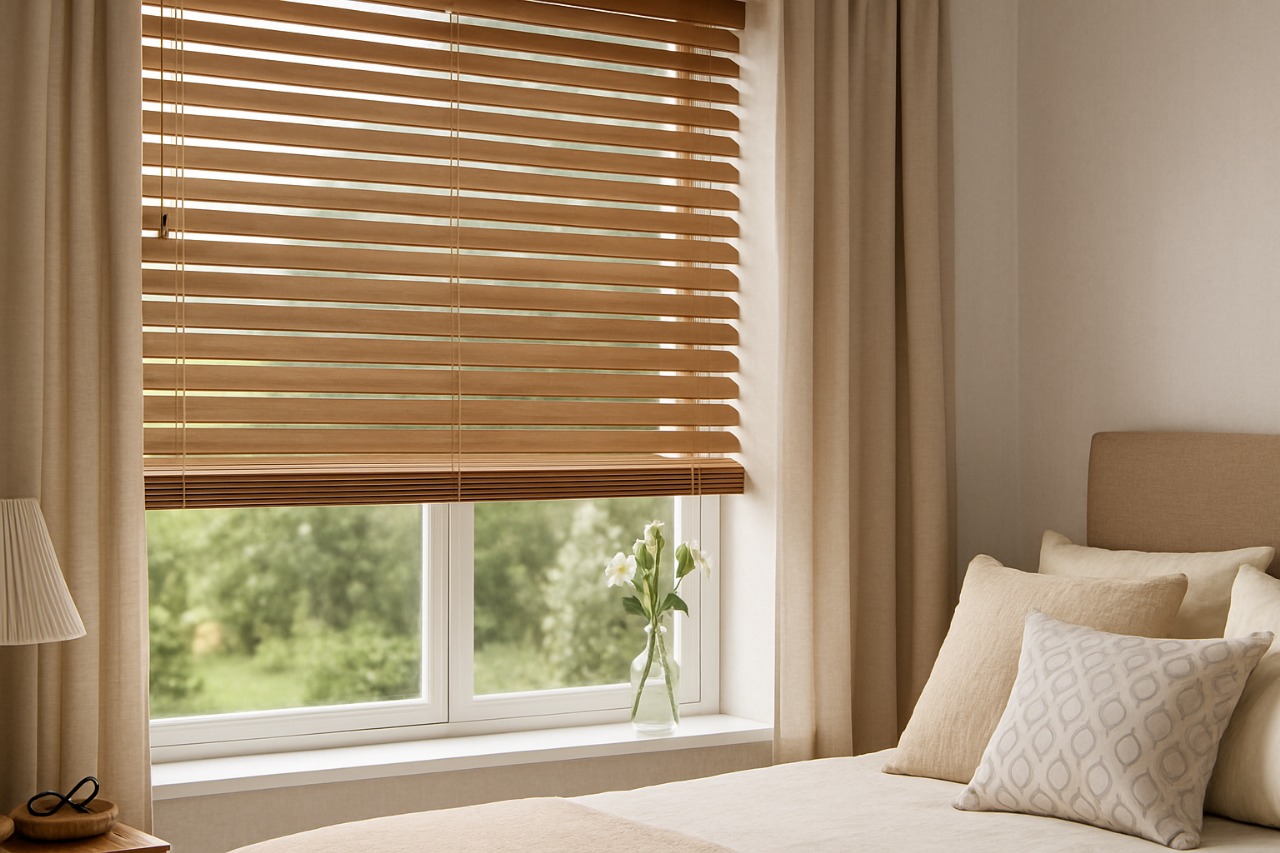
Roman blinds are fabric window coverings that fold into neat horizontal pleats when raised. Unlike roller blinds, they offer a soft textile look that enhances interior warmth while maintaining practical light regulation. They are suitable for living rooms, bedrooms, kitchens and can complement both modern and classic interiors.
Advantages of Roman blinds
- Aesthetic: elegant, smooth folds and a wide choice of textures.
- Light control: from translucent to complete blackout fabrics.
- Thermal performance: dense fabrics reduce heat loss and drafts.
- Versatility: fit flat windows, bay windows and niches.
- Automation: can be motorized for convenience and smart-home integration.
Materials and constructions
Common materials include:
- Linen and cotton — natural texture and pleasant drape.
- Polyester blends — durable and easy to clean.
- Blackout fabrics — ideal for bedrooms and media rooms.
- Bamboo and natural weaves — textured, eco-friendly options.
Construction types: classic front-mounted systems, recessed/niche installations and cassette systems where the mechanism is hidden. You can combine roman blinds with sheers or decorative curtains for layered effects.
How to choose roman blinds
- Decide the primary function: decoration, privacy or darkening.
- Choose fabric opacity and texture according to needs.
- Select the control method: cord, chain, spring-balanced or motorized.
- Match colors and patterns to your interior palette.
Color and pattern tips
- Light hues enlarge the perceived space.
- Subtle textures add depth without overwhelming the room.
- Bold patterns work well as single accents in neutral rooms.
Measuring and mounting on PVC windows
Accurate measuring is essential. Consider the installation type:
- Face-fit (over the frame) — measure the desired coverage including overlaps.
- Recess-fit (inside the reveal) — measure the inside width and height carefully.
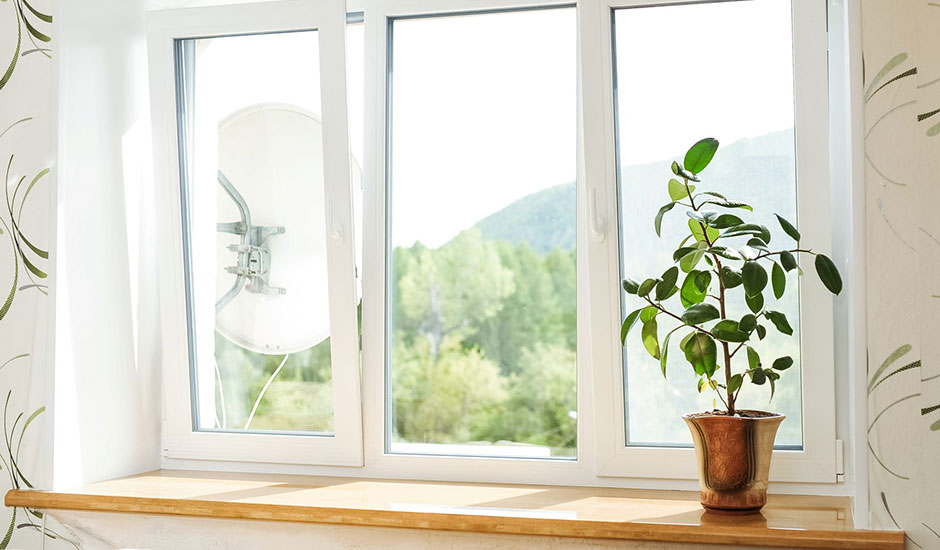
For PVC windows, face-fit mounting to the frame or wall above the opening is common. Use appropriate brackets and ensure the weight of the blind is supported; for heavier fabrics or motorized systems consult a professional fitter.
Maintenance and care
- Regular dusting with a soft brush or a low-suction vacuum.
- Spot clean with a damp cloth; follow manufacturer instructions for deeper cleaning.
- Remove and dry-clean heavy or stained fabrics if required.
- For motorized systems, check the mechanism periodically and keep the battery/charger in good condition.
Important: Do not machine wash roman blinds without removing battens and weights.
Interior ideas
- Living room: linen roman blinds in neutral tones for a calm, layered look.
- Kitchen: short roman blinds to the sill in easy-care fabrics.
- Bedroom: blackout-lined romans for improved sleep quality.
- Child's room: playful prints with cordless or child-safe systems.
FAQ
How much do roman blinds cost?
Prices vary by fabric, size and mechanism — budget to premium motorized systems.
Can I install roman blinds on PVC windows myself?
Yes for simple brackets; for recessed or hidden systems, professional installation is advised.
Do roman blinds insulate well?
Thick and lined fabrics improve thermal resistance and can help reduce heating costs.
Can I combine roman blinds with other window treatments?
Yes — pairing with sheers or curtains gives flexibility in light and privacy control.
Conclusion
Roman blinds are a stylish and practical window solution offering customization in fabric, control and installation. With the right choice of material and professional measurement, they improve comfort, energy efficiency and the overall look of your home.
DK-Logi blog topics and categories
Useful articles about PVC windows, blinds, and practical advice for your home.


GET A FREE WINDOW COST ESTIMATE!
Leave a request, and we will contact you to arrange a free measurement and provide a full cost estimate.
Your name
Your phone number *
Your e-mail
File
Choose file
Comment (e.g., window sizes, quantity, preferred profiles)
2025 © All rights reserved