WINDOWS


Date added: 10.05.26
The role of hardware in the durability of plastic windows
The role of hardware in the durability of plastic windows
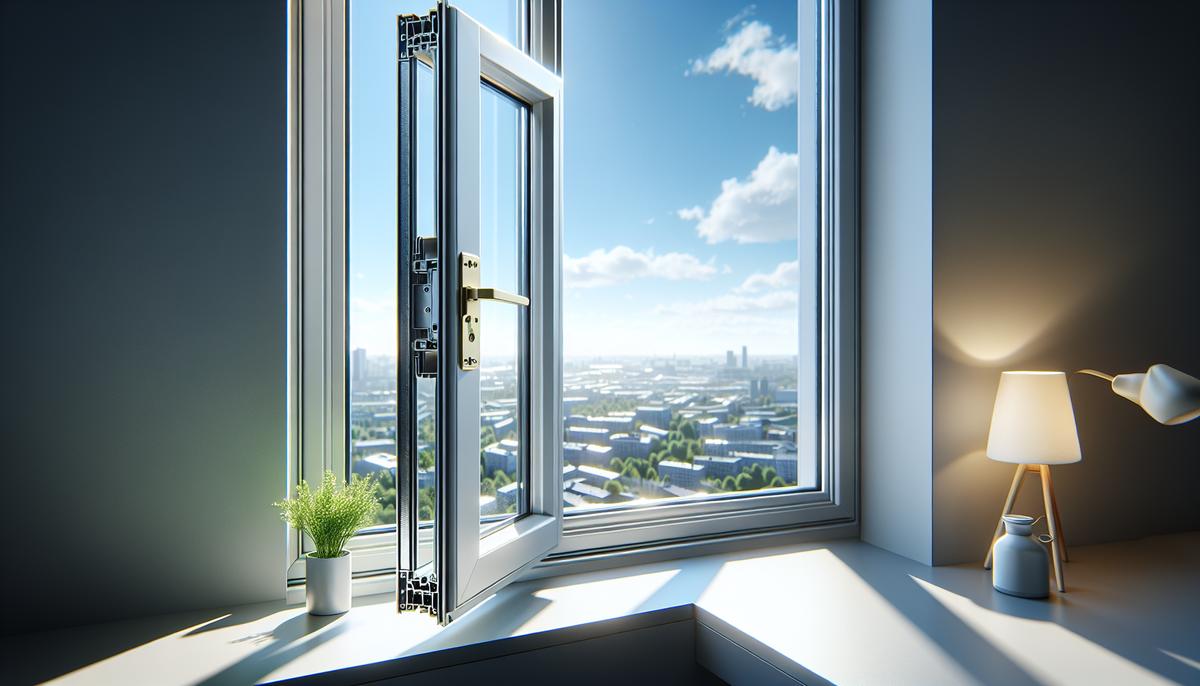
High-quality window hardware is one of the main factors that determine the service life of a plastic (PVC) window. Even the best profile and insulated glass unit cannot ensure reliable performance if the opening, locking and adjustment mechanisms are weak or improperly installed.
What is window hardware?
Window hardware includes metal and plastic parts: hinges, handles, locking cams, strike plates, friction stays, restrictors, micro-ventilation elements and anti-burglary components that enable safe and comfortable operation of the sash.
Key hardware components and their functions
- Hinges: carry the sash weight and affect smooth movement.
- Handles: provide ease of use and locking.
- Locking cams and strike plates: ensure an even seal and airtightness.
- Friction stays and restrictors: protect hardware from overload and premature wear.
Materials and coatings
Hardware materials — steel, brass, zinc alloys — and corrosion-resistant coatings (galvanizing, passivation, lacquer) greatly affect durability. Stainless or galvanized hardware performs better in humid or coastal conditions.
How hardware affects window lifespan
- Load and wear. Low-quality hardware loses geometry faster, causing sash sagging and misalignment.
- Airtightness. Properly operating cams and strike plates ensure uniform gasket compression and thermal performance.
- Security. High-quality locking elements increase resistance to forced entry.
- Maintenance costs. Reliable hardware needs fewer adjustments and replacements, reducing overall ownership costs.
Signs of wear and when to act
- Difficulty opening or closing the sash.
- The window squeaks or jams.
- Gaps appear between the frame and sash.
- The handle turns without engaging the locking mechanism.
- Visible corrosion or bent parts.
If you notice these signs, call a specialist for diagnosis. Sometimes lubrication and tightening are enough; other times replacement of worn parts is necessary.
Maintenance and preventive care
- Clean mechanisms from dust and debris with a soft brush regularly.
- Lubricate moving parts annually with a recommended silicone-based or molybdenum grease.
- Check handles and seals before the cold season.
- Avoid hanging heavy loads on the sash or handle.
Choosing hardware when buying windows
- Check load class and cycle resource (e.g., over 20,000 cycles for intensive use).
- Prefer brands tested to EN standards and with certificates.
- Clarify hardware warranty terms separately from the frame and glass unit warranty.
- Choose corrosion-resistant finishes for coastal or humid environments.
Installation and service
Even the best hardware will not perform if installed incorrectly. Professional installation ensures proper sash geometry, correct gasket compression and access for future maintenance. Regular service by an authorized partner will extend the life of the entire window system.
Frequently Asked Questions (FAQ)
Should I lubricate window hardware every year?
Yes. Annual lubrication is recommended for residential use. In humid climates or for heavy use, twice a year is advisable. Use lubricants recommended by the hardware manufacturer.
Can I replace hardware myself?
Some simple replacements can be DIY, but many tasks require a qualified technician: precise adjustment and airtightness testing are important to maintain warranty coverage and long-term performance.
How do I know if the handle needs repair or replacement?
If the handle turns freely without engaging the locking cams, replacement or repair of the locking assembly is usually required. Inspect for corrosion and wear to decide.
What security class should I choose?
For standard apartments, RC1N–RC2 is usually sufficient. For ground-floor or commercial premises, consider higher resistance classes.
Does hardware affect thermal insulation?
Yes. Uniform and tight compression of the sash to the gasket reduces heat loss and improves sound insulation.
Are fogged panes related to hardware?
Fogging between panes indicates a compromised insulating glass unit seal, not hardware. However, poor sash adjustment can contribute to localized condensation near corners.
How long does quality hardware last?
With proper care and correct installation, high-quality hardware can last 15–30 years, depending on usage and environmental conditions.
DK-Logi blog topics and categories
Useful articles about PVC windows, blinds, and practical advice for your home.

GET A FREE WINDOW COST ESTIMATE!
Leave a request, and we will contact you to arrange a free measurement and provide a full cost estimate.
Your name
Your phone number *
Your e-mail
File
Choose file
Comment (e.g., window sizes, quantity, preferred profiles)
2025 © All rights reserved