WINDOWS


Date added: 19.06.26
The role of seals in PVC windows
The role of seals in PVC windows
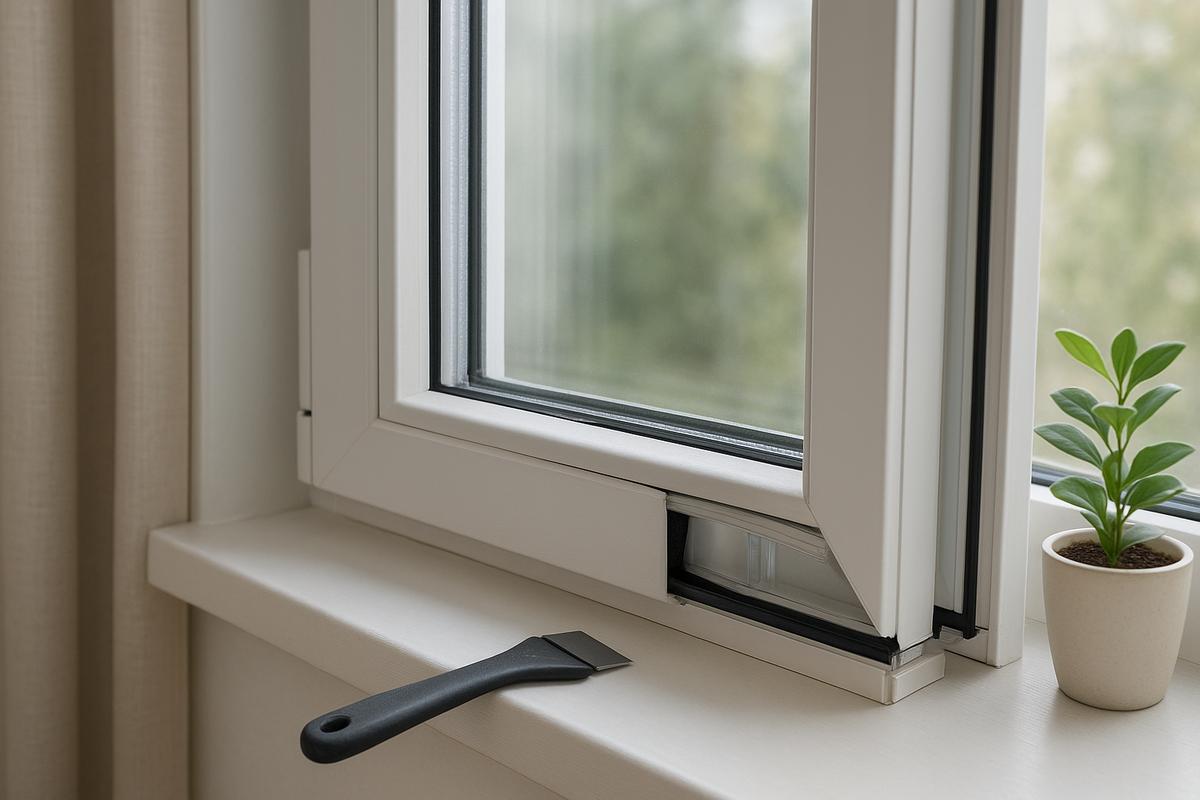
Seals (gaskets) are the unsung heroes of a PVC window. Their condition affects thermal and acoustic insulation, waterproofing, and the overall lifespan of the window. This article explains types of seals, how they work, signs of wear, maintenance tips, and when replacement is needed.
What is a seal and why it matters
A seal is an elastic strip made from rubber or elastomer placed around the sash and frame perimeter. Its primary purposes:
- Ensure airtightness and prevent drafts;
- Reduce heat loss at the sash-to-frame joint;
- Absorb vibrations and lower outside noise;
- Protect against dust, insects, and moisture.
Replacing a worn seal is often a cost-effective way to fix drafts without changing the whole window.
Types of seals
- EPDM (ethylene propylene diene monomer) — the most common and durable, resistant to UV, ozone and temperature changes; ideal for Baltic climate.
- TPE (thermoplastic elastomer) — flexible and eco-friendly, but less durable in extreme cold.
- Silicone seals — highly elastic and temperature-resistant; more expensive and used selectively.
- Foam and neoprene varieties — used in certain constructions but can degrade faster.
How seals work
When the sash is closed the seal compresses and forms a continuous barrier that prevents air and water infiltration. The right seal shape distributes pressure evenly to avoid deformation and ensure smooth closing.
Signs of seal deterioration
- Noticeable drafts around the sash;
- Increased window condensation;
- More street noise heard indoors;
- Visible cracks, flattening, or loss of elasticity;
- Water ingress during heavy rain.
If you notice any of these signs, inspect the seal and consider replacement.
Maintenance: simple steps to prolong seal life
- Inspect seals visually 1–2 times a year.
- Clean seals with a soft sponge and warm soapy water — avoid harsh solvents.
- Apply silicone-based lubricant or a dedicated care product once a year to restore elasticity and reduce freezing.
- Avoid long-term mechanical pressure from furniture or heavy items against the sash.
Replacement: when and how
- High-quality EPDM seals typically last 8–15 years depending on usage and climate.
- Replacement involves removing the old profile and fitting a new one into the mounting groove. The task requires careful work and correct profile selection.
- You can replace seals yourself if experienced, but professional installation ensures correct fit and preserves warranties.
How to choose the right seal
- Prefer EPDM for durability;
- Match the profile to the sash groove shape;
- Check color and density (usually black or gray);
- Confirm compatibility with your window model.
FAQ
How do I know it’s time to replace the seal?
If cleaning and lubrication don’t eliminate drafts or condensation, or the seal shows visible damage, it’s time to replace it.
Can I replace the seal by myself?
Yes, with tools and care. However, for warranty reasons and proper seating, professional replacement is recommended.
What does replacement cost?
Costs vary by perimeter length and material. Replacement is generally much cheaper than installing a new window and depends on local service rates in Latvia.
How often should I lubricate the seal?
Once a year — ideally before winter or after major cleaning in spring.
Will a new seal reduce street noise?
Yes — a quality seal improves acoustic insulation, especially with a good insulated glass unit and tight installation.
Conclusion
Seals are a small but critical part of the window system. Regular inspection, proper care, and timely replacement keep your home warm, quiet, and dry. If you notice wear signs, contact DK-Logi service or follow our replacement guide for a reliable result.
DK-Logi blog topics and categories
Useful articles about PVC windows, blinds, and practical advice for your home.





GET A FREE WINDOW COST ESTIMATE!
Leave a request, and we will contact you to arrange a free measurement and provide a full cost estimate.
Your name
Your phone number *
Your e-mail
File
Choose file
Comment (e.g., window sizes, quantity, preferred profiles)

2025 © All rights reserved