WINDOWS


Date added: 26.07.26
Tips for choosing PVC windows in series 119
Tips for choosing PVC windows in series 119
Choosing PVC windows for an apartment in series 119 requires attention to specific details: standardized opening sizes, mounting peculiarities in panel buildings, and energy efficiency requirements. This guide provides practical advice on profiles, glazing units, seals, installation, and accessories to help you make an informed decision.
Why the building series matters
Series 119 is a typical panel apartment layout with fixed opening dimensions and installation constraints. The wrong profile, inappropriate glazing, or poor installation will quickly lead to drafts, cold spots on the windowsill, and higher heating costs.
Key technical parameters to consider
- Profile: A 3- to 5-chamber profile balances thermal performance and cost. For series 119, a 4-chamber profile with a mounting depth of at least 70 mm is often optimal.
- Seals: At least two sealing gaskets around the sash improve airtightness and sound insulation.
- Reinforcement: Steel or galvanized reinforcement inside the frame increases strength and longevity, especially for larger openings.
- Glazing unit: Choose an energy-efficient double- or triple-glazed unit with argon fill and Low-E coating.
- Sound insulation: For noisy streets, select insulating glazing with varied glass thicknesses (e.g., 4/6/4) and gas-filled cavities.
Measuring and preparing the opening
- Accurate measurements are essential. Measure irregularities, reveals, and the windowsill.
- Allow a 10–20 mm installation gap around the perimeter for foam and compensating profiles.
Installation and insulation
- Good installation often matters more than the profile. Poor installation negates the benefits of an expensive profile.
- Use appropriate-density mounting foam and both internal and external sealing tapes: internal vapour barrier, external wind- and moisture-proof tape.
- Consider adjustable mounting brackets and anchors to compensate for settling and deformation.
Ventilation and microventilation
- Ensure a controlled supply of fresh air. Consider a sash with microventilation or integrated ventilation valves in the frame.
- Avoid completely airtight sealing without a ventilation strategy; it can increase condensation and worsen indoor air quality.
Sill and reveals
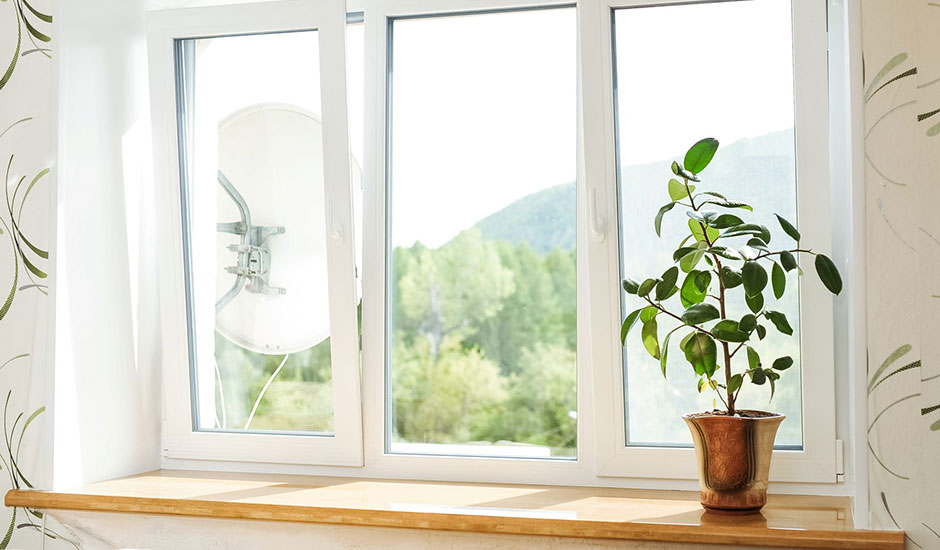
- Choose a robust, moisture-resistant windowsill. Width depends on layout and can be used as extra shelf space.
- Finish reveals with insulation and vapour barrier to prevent thermal bridges.
Blinds and sun protection
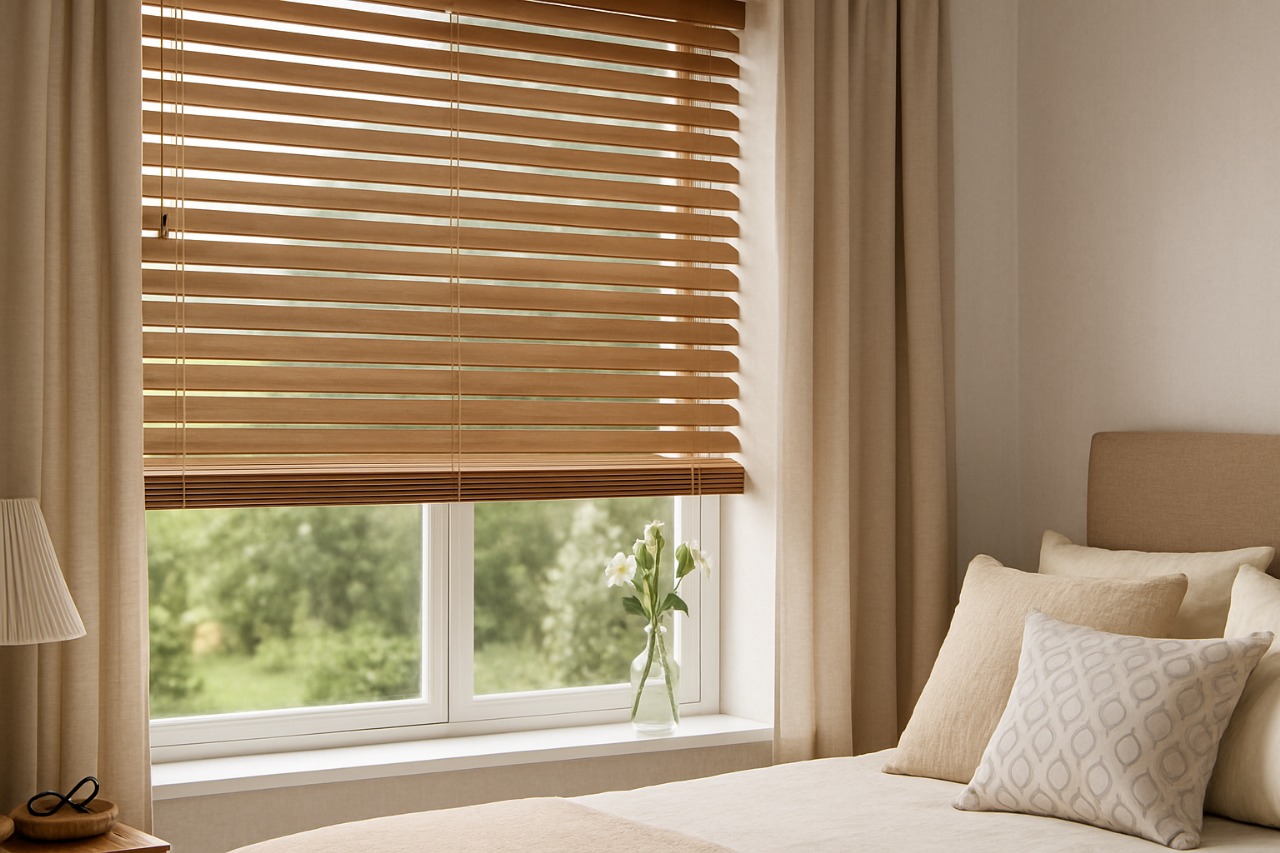
- Install interior blinds or roller shades after windows are fitted. For series 119, compact cassette roller blinds or horizontal aluminum blinds work well.
Warranty and service
- Check separate warranties for profile, fittings, and installation. A reputable installer provides a handover protocol and care instructions.
Frequently Asked Questions (FAQ)
Do I need to remove the radiator when replacing windows in series 119?
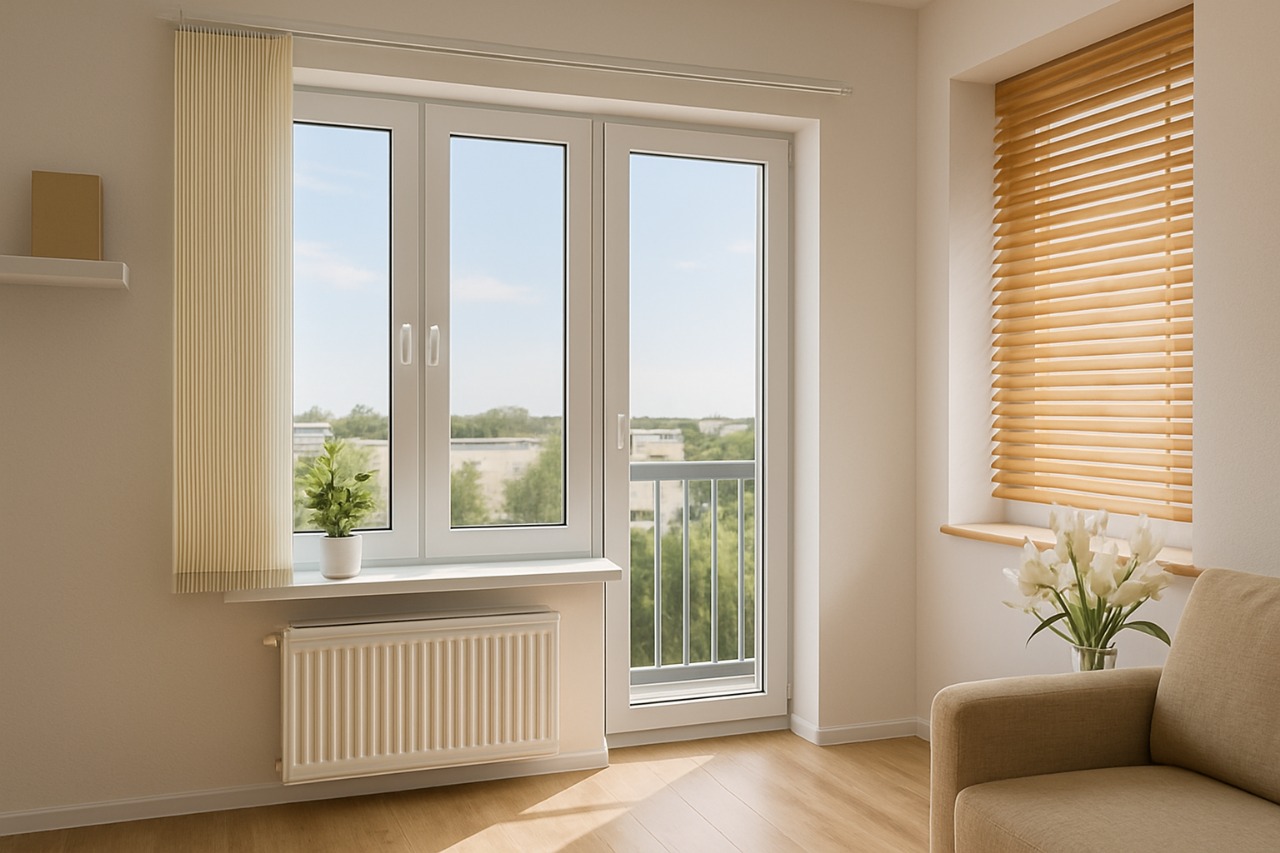
Not necessarily. It’s usually unnecessary to remove the radiator. Keep the clearance to the windowsill and ensure access to heating elements. Only adjust the radiator if required, and always by a specialist.
Should I choose a double- or triple-glazed unit?
A double-glazed energy-efficient unit with argon and Low-E coating is often sufficient in moderate climates. A triple-glazed unit provides better thermal and acoustic insulation but is more expensive.
How to tell if the installation is correct?
A proper installation shows a straight, square frame, no visible gaps, correctly functioning hardware, and proper use of sealing tapes. There should be no drafts or frame deformation.
How long does window installation take in series 119?
A standard opening typically takes 2–4 hours for installation if reveals are prepared. Full finishing of reveals and sills takes additional time.
How often should PVC windows be maintained?
Clean the frame with warm water and mild detergent 1–2 times a year. Lubricate hardware once a year and check seal integrity regularly.
Conclusion
When choosing windows for a series 119 apartment, aim for a balanced choice of profile, glazing, and professional installation. Investing in accurate measurement and quality installation pays off with long-term comfort, reduced heating costs, and fewer repairs.
DK-Logi blog topics and categories
Useful articles about PVC windows, blinds, and practical advice for your home.

GET A FREE WINDOW COST ESTIMATE!
Leave a request, and we will contact you to arrange a free measurement and provide a full cost estimate.
Your name
Your phone number *
Your e-mail
File
Choose file
Comment (e.g., window sizes, quantity, preferred profiles)
2025 © All rights reserved