WINDOWS


Date added: 12.05.26
Tips for choosing windows for a country house
Introduction
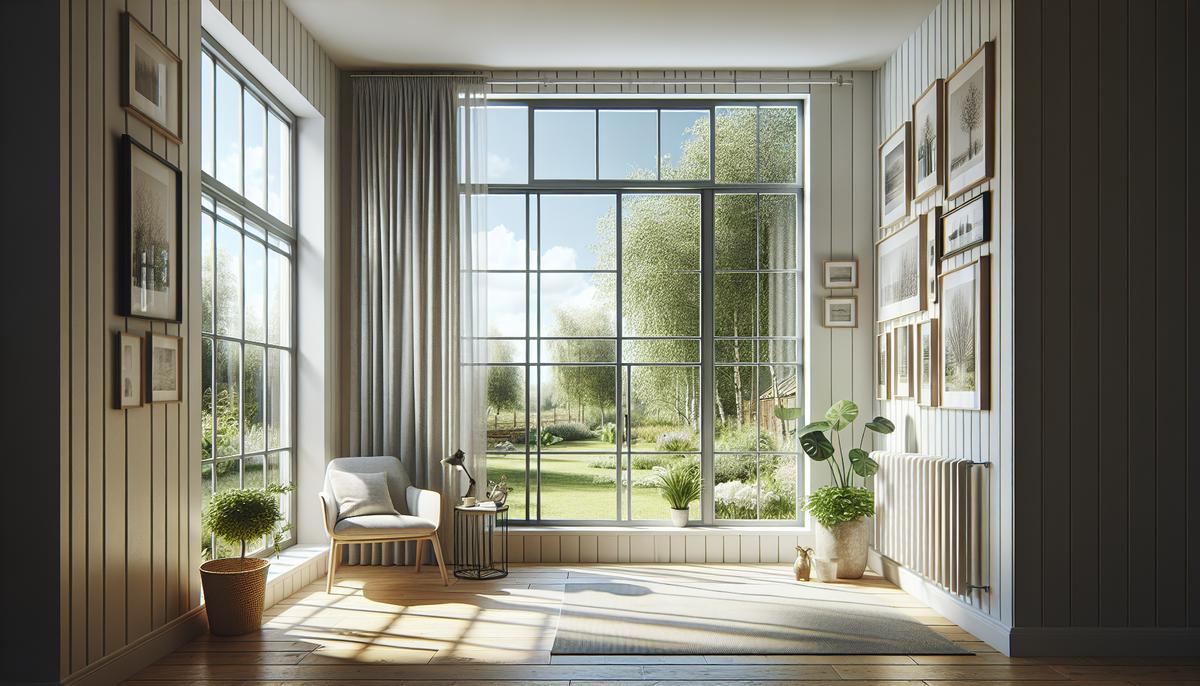
Choosing windows for a country house is a key decision that affects comfort, energy consumption, and durability. This guide covers the main factors to consider when selecting PVC windows, suitable insulating glass units, installation tips, and maintenance best practices.
Why windows matter
- Windows determine heat loss and sound insulation.
- Proper windows reduce heating bills.
- Installation quality impacts longevity and safety.
Main factors when choosing windows
Climate and house orientation
Consider your local climate: colder regions need higher thermal performance (multi-chamber profiles, double- or triple-glazed units with low-emissivity coatings). South-facing rooms require protection against overheating — consider tinted glass or solar-control glazing.
Frame (profile)
- PVC profiles come in different chamber counts: 3, 5, 6+ chambers. More chambers typically mean better thermal and acoustic insulation.
- Steel reinforcement in the profile increases structural strength.
- White frames are most common; wood-effect laminates can add a cozy look for country homes.
Insulating glass unit (IGU)
- Double- and triple-glazed units are standard for private houses.
- Low-E coatings reflect infrared heat, reducing heat loss.
- Filling the cavity with inert gas (argon, krypton) improves thermal performance.
Seals and hardware
- Durable seals (EPDM, TPE) ensure long-term airtightness.
- Hardware (hinges, handles, multi-point locks) affects usability and security. Choose reputable brands with micro-ventilation options.
Ventilation
Tightly sealed windows require supply ventilation or micro-ventilation modes. Plan for natural air exchange or install ventilation valves.
Practical recommendations for a country house
1. For cold climates
- 5- or 6-chamber profiles.
- Triple-glazed IGU with Low-E and argon fill.
- High-quality hardware and multiple sealing contours.
2. For moderate climates
- 5-chamber profile and double-glazed IGU.
- Option for light tinting or sun-control film.
3. For homes near busy roads
- Thicker IGUs with wide spacer bars and laminated or acoustic glass.
4. For traditional wooden houses
- Wood-effect PVC lamination or wooden windows with modern sealing and insulation.
- Maintain façade aesthetics while ensuring performance.
Installation and warranty
- Choose certified installers: correct installation is more important than optional upgrades.
- Check leveling of sills, proper sealing, and flashing.
- Ask for written warranties covering profile, IGU, and installation work.
Maintenance
- Clean seals regularly and lubricate hardware to extend product life.
- Inspect seals and silicone joints; renew as needed.
- Use micro-ventilation to prevent dampness and mold in humid seasons.
Purchase checklist
- Match window specifications to climate and orientation.
- Decide on profile chamber count and IGU configuration.
- Confirm Low-E and gas fill options.
- Verify hardware quality and sealing systems.
- Secure a detailed installation contract and warranty.
When choosing windows, consider long-term energy savings and comfort rather than only upfront cost.
FAQ — Common questions
Do I always need triple glazing?
Not necessarily. In moderate climates, double glazing with Low-E and argon can be sufficient. Triple glazing makes sense in very cold regions.
What frame depth is recommended?
A frame depth of 70–90 mm is typical for private houses; deeper profiles and more chambers improve insulation.
Can I install windows myself?
Professional installation is recommended. Mistakes during installation significantly reduce thermal performance.
Conclusion
Choosing the right windows for a country house requires balancing cost, energy efficiency, and aesthetics. The correct profile, IGU, and professional installation will ensure comfort and lower heating costs for years to come.
DK-Logi blog topics and categories
Useful articles about PVC windows, blinds, and practical advice for your home.

GET A FREE WINDOW COST ESTIMATE!
Leave a request, and we will contact you to arrange a free measurement and provide a full cost estimate.
Your name
Your phone number *
Your e-mail
File
Choose file
Comment (e.g., window sizes, quantity, preferred profiles)
2025 © All rights reserved