WINDOWS


Date added: 06.07.26
Tips for choosing windows for a studio
Tips for choosing windows for a studio
Choosing windows for a studio apartment requires balancing light, comfort and space efficiency. A studio is often multifunctional — sleeping, living and working happen in one room — so windows influence daylight, temperature, noise and the overall feel.
1. Set your priorities: light, heat retention or quiet?
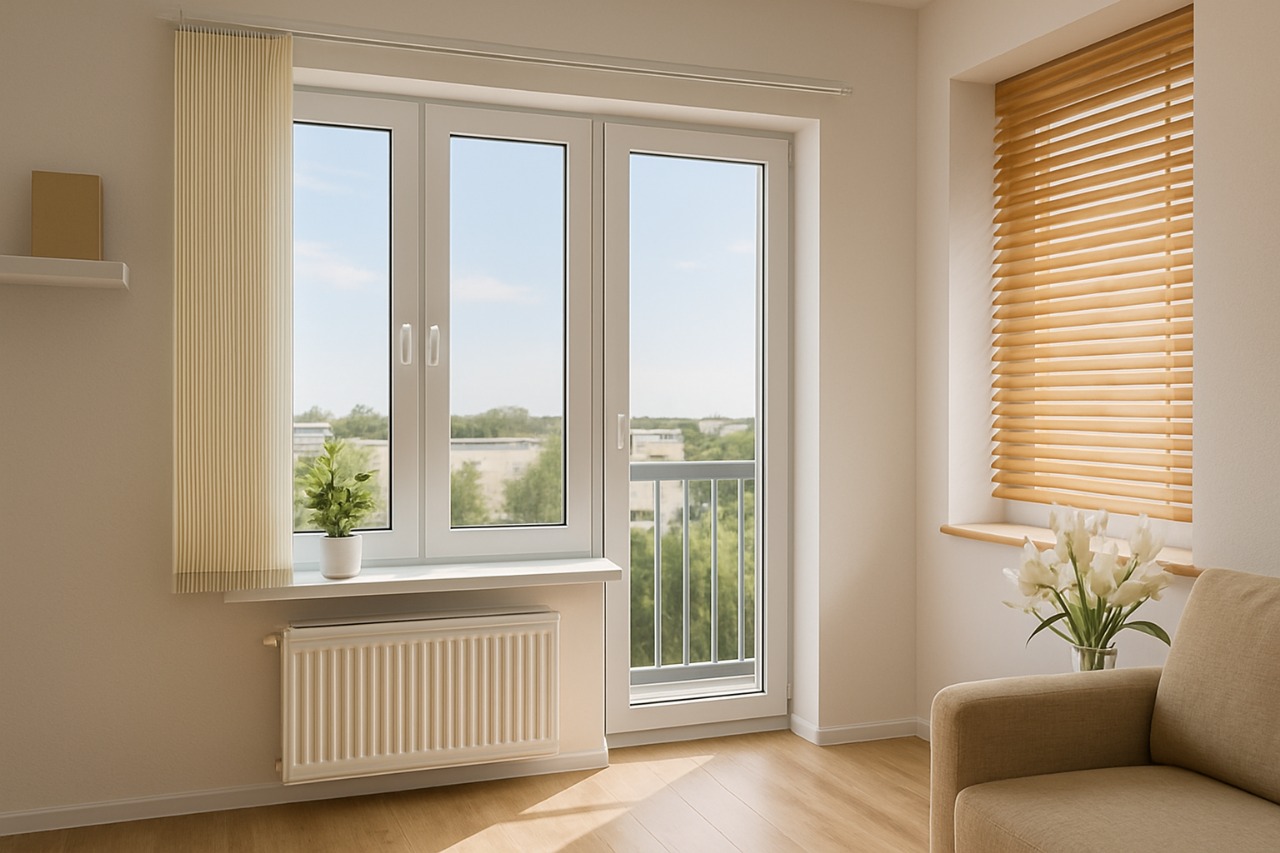
- If your studio is small, prioritize maximum natural light: larger panes, slimmer frames, and tall sashes.
- In colder climates, thermal performance matters: multi-chamber PVC profiles and energy-efficient glazing help retain heat.
- For busy streets, prioritize sound insulation: thicker glazing, larger cavity distances and quality seals.
2. Opening type — practicality and safety
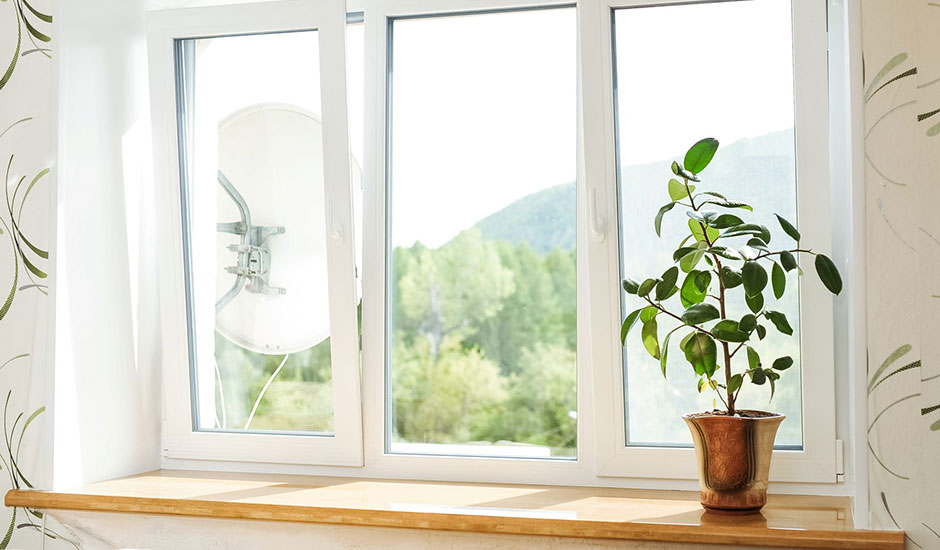
- Tilt-and-turn windows are versatile: easy to ventilate and safe for inward cleaning (if access allows).
- Casement windows are good for large openings but need space to swing outward or inward — consider furniture layout.
- Sliding systems save space near walkways and can create wide glazed surfaces, but often have slightly lower airtightness.
3. Insulating glazing units: layers and glass properties
- Double or triple glazing increases thermal and acoustic performance; two cavities are typical for harsh climates.
- Low-E coatings reduce heat loss while keeping rooms bright.
- Inert gas fills (argon, krypton) in the cavities improve insulation.
- Consider mixed glass types (clear and frosted) for privacy near kitchen or bathroom zones within the studio.
4. Frame: PVC profile features
- 5–7 chamber PVC profiles provide good insulation and durability.
- Check profile class, steel reinforcement, quality of seals and hardware — these affect airtightness and lifespan.
5. Ventilation and humidity control
- Studios need controlled fresh air supply without major heat loss. Integrated trickle vents or ventilators can help.
- Small mechanical ventilation with heat recovery is an option if you need continuous, efficient air exchange.
6. Blinds and curtains: function and look
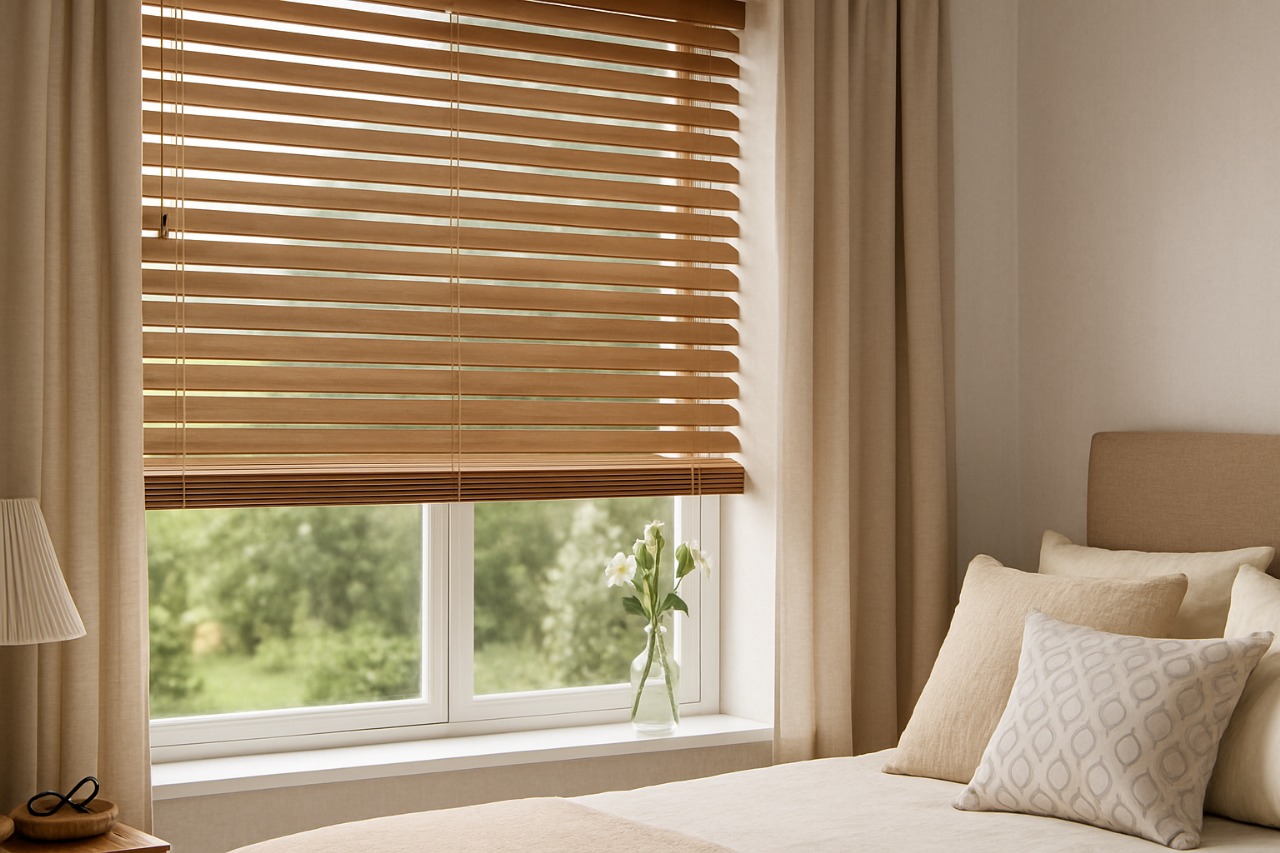
- Roller blinds and day-night systems are space-saving and ideal for studios.
- Roman shades add warmth; vertical blinds work for tall windows. Use flame-retardant fabrics near kitchen areas.
- Consider mounting options that don’t interfere with window operation.
7. Security
- For ground-floor studios use reinforced sashes or anti-burglary hardware.
- Child safety restrictors are useful if children or pets are present.
8. Size and division of glazing
- Large, uninterrupted panes visually expand space, while multiple sashes allow flexible ventilation.
- Thin frames and large glass surfaces give a modern panoramic feel but check thermal and acoustic ratings.
9. Installation and warranty
- Correct installation is more important than the lowest price. Poor installation leads to drafts, condensation and heat loss.
- Ask for acceptance reports, care instructions, and clear guarantees for both the product and installation.
10. Maintenance
- Inspect seals and hardware regularly, lubricate moving parts, and keep drainage channels clear.
- If condensation appears, check ventilation and heating before blaming the window unit.
Frequently Asked Questions (FAQ)
Q: What glazing is best for a city studio?
A: A two-cavity (triple-glazed) or high-performance double-glazed unit with Low-E coating and argon fill offers a good balance between cost, heat retention and noise reduction.
Q: Do I need blinds if my windows are large?
A: Yes. Blinds or roller shades manage daylight and privacy and protect furniture from UV fading.
Q: How to reduce street noise?
A: Use thicker glazing, larger air spaces between panes, and high-quality seals. Professional installation with proper sealing is essential.
Q: Can I measure the window myself before ordering?
A: Professional measurement is recommended. If measuring yourself, take internal opening sizes in three places (top, middle, bottom) and note wall plumbness.
Q: Can a trickle vent be added to an existing window?
A: Many vents are retrofit-friendly and can be installed in the frame or above the window in the wall—consult your installer.
Q: Which frame colors work best for studios?
A: Light tones visually expand space; wood-effect finishes add warmth. Popular modern options include white, light gray and muted pastels.
Conclusion
A well-chosen window for a studio blends thermal and acoustic performance with convenient ventilation and style. Prioritize what matters most for your lifestyle, use professional measurement and installation, and you’ll enjoy long-term comfort and efficiency.
DK-Logi blog topics and categories
Useful articles about PVC windows, blinds, and practical advice for your home.


GET A FREE WINDOW COST ESTIMATE!
Leave a request, and we will contact you to arrange a free measurement and provide a full cost estimate.
Your name
Your phone number *
Your e-mail
File
Choose file
Comment (e.g., window sizes, quantity, preferred profiles)

2025 © All rights reserved