WINDOWS


Date added: 29.11.25
Tips for choosing windows for an office
Introduction
Choosing the right windows for an office affects employee comfort, energy costs, and the company's professional image. This guide covers key factors for selecting PVC windows for workspaces — glazing, profiles, ventilation, sun protection and practical installation tips.
Main selection criteria
- Thermal performance and glazing: energy-efficient double or triple glazing with Low-E coating and argon fill reduces heat loss.
- Sound insulation: use laminated or asymmetric glazing and sound-absorbent seals for windows facing busy streets.
- Profile strength: 3–6 chamber PVC profiles provide rigidity and insulation. Consider reinforced profiles for large openings.
- Opening types: tilt-and-turn windows are practical for offices — they save space and offer secure ventilation. Consider inline windows or doors for meeting rooms and exits.
- Security: toughened or laminated glass, secure locks, and concealed hinges help protect valuable equipment.
- Ventilation: trickle vents, micro-ventilation settings, and controlled fresh-air systems maintain indoor air quality without wide-open windows.
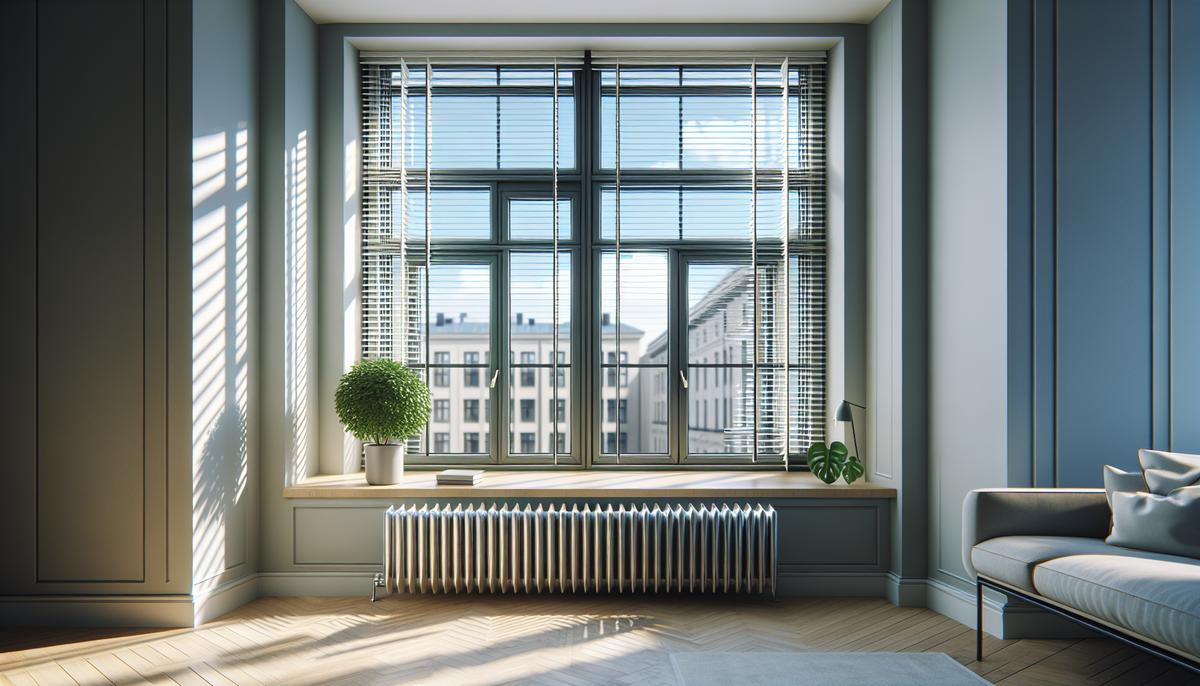
- Sun protection and blinds: internal or external blinds, roller shades, and venetian blinds control glare and heat gain.
- Maintenance and durability: choose well-known profiles and hardware with warranty and accessible service network.
Technical recommendations
- Glazing
- For standard offices, a double- or triple-glazed unit with Low-E coating and argon is recommended. It balances heat retention and sound reduction.
- For noisy façades, use glass sets with different glass thicknesses (for example 4-6-4 mm) or laminated acoustic glass.
- Profile
- 5- or 6-chamber profiles give a good balance between cost and performance. For large spans choose reinforced variants.
- Check for quality sealing gaskets and steel reinforcement inside the frame.
- Hardware and opening
- Durable hardware with micro-ventilation and tilt options ensures ease of use and longevity.
- Concealed hinges and limited opening stops are good for meeting rooms to maintain aesthetics and safety.
- Sun control
- Horizontal venetian blinds or vertical blinds work well in offices. Matte slats reduce screen glare while allowing light control.
- Built-in blinds between glass panes provide a tidy look but increase cost and complicate future replacements.
Practical checklist before ordering
- Accurately measure openings and note wall irregularities.
- Coordinate acoustic and thermal requirements with facility managers.
- Decide on sun shading type and control method (manual vs. motorized).
- Verify production and installation timelines; confirm if installation can be done during working hours.
- Request warranties for profile, glazing unit and hardware.
Budget and savings
High-quality windows reduce heating costs and improve employee productivity. If the budget is limited, prioritize a good glazing unit and robust hardware — these components affect day-to-day performance the most.
FAQ — Common questions
1. Double or triple glazing — which to choose for an office?
Double glazing with Low-E and argon works well for most offices; triple glazing suits very cold climates or where higher sound insulation is needed.
2. Is a mechanical ventilation system necessary?
Integrated vents and micro-ventilation are preferable to frequent open-window airing — they keep temperature stable and avoid drafts.
3. What blinds reduce glare best?
Matte horizontal venetian blinds are effective at reducing screen glare while preserving daylight.
4. Are blinds between panes worth it?
They look neat and require little cleaning, but they increase cost and make glass replacement more complex.
5. Which profile works for older buildings?
Reinforced profiles with good sealing and adaptable installation options are suitable for uneven openings common in older buildings.
6. Do I need landlord approval for new windows?
If leasing, always get written permission from the owner before modifying window openings.
Conclusion
Choosing office windows is a matter of balancing thermal comfort, acoustic needs and budget. Start from glazing and hardware priorities, choose suitable sun-control options, and ensure professional installation to achieve long-term savings and a comfortable working environment.
DK-Logi blog topics and categories
Useful articles about PVC windows, blinds, and practical advice for your home.



GET A FREE WINDOW COST ESTIMATE!
Leave a request, and we will contact you to arrange a free measurement and provide a full cost estimate.
Your name
Your phone number *
Your e-mail
File
Choose file
Comment (e.g., window sizes, quantity, preferred profiles)

2025 © All rights reserved