WINDOWS


Date added: 03.09.26
Tips for choosing windows for cafes and restaurants
Tips for choosing windows for cafes and restaurants
Windows play a central role in the look, comfort and energy efficiency of any café or restaurant. The right glazing improves curb appeal, controls daylight, reduces noise and helps manage indoor climate. This guide covers the main criteria for selecting windows and practical recommendations for installation and maintenance.
Why windows matter
- Appearance: windows shape the façade and can serve as an attractive display for passersby.
- Light and mood: natural light creates a welcoming atmosphere and reduces lighting costs.
- Energy efficiency: well-insulated windows lower heating and cooling bills.
- Acoustic comfort: in busy streets, sound-insulating windows are essential for a calm dining experience.
Window types and systems
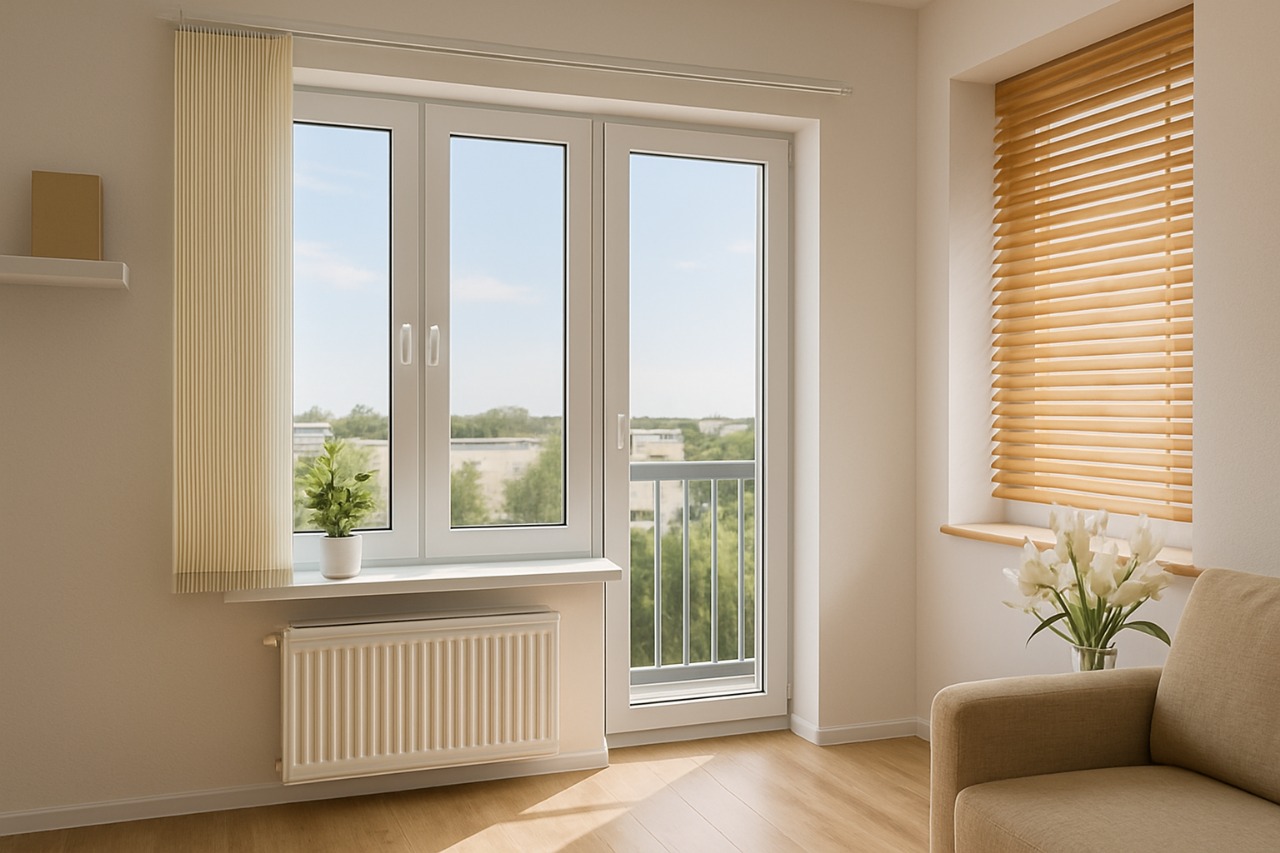
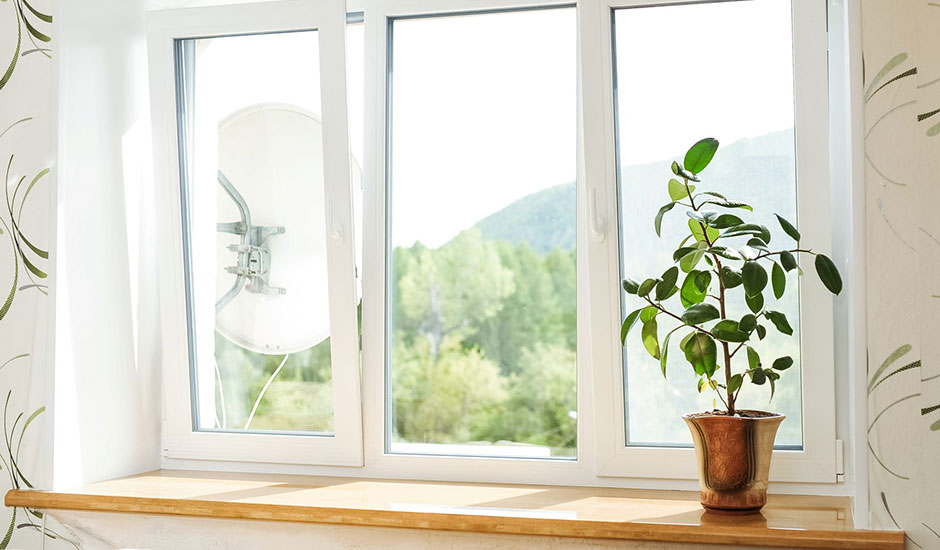
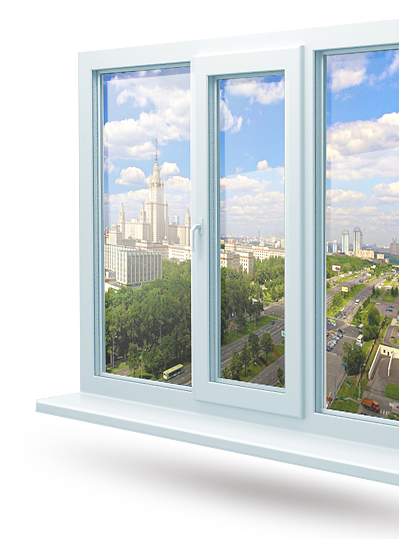
- PVC (uPVC) windows: durable, low-maintenance and cost-effective. Suitable for humid or busy environments.
- Aluminum frames: slim profiles, ideal for large storefronts and panoramic glazing. Use thermal breaks to improve insulation.
- Sliding and folding systems: perfect for summer terraces and verandas—allow flexible opening of the façade.
- Tilt-and-turn windows: practical for ventilation and easy cleaning.
Choosing the right glazing
- Double glazing is standard for most commercial spaces.
- Triple glazing gives better thermal performance when needed.
- Low-E coatings reduce heat loss and block UV rays.
- Acoustic performance improves with different glass thicknesses and inert gas fills (argon, krypton).
- Safety glass (tempered or laminated) is recommended for storefronts and high-traffic zones.
Ventilation and condensation control
Cafés and restaurants generate moisture from kitchens and dishwashing areas. Ensure:
- Adequate mechanical ventilation or windows with integrated trickle vents.
- Warm-edge spacers and high-quality seals to reduce thermal bridges and condensation.
- Easy cleaning access and maintenance plan to prevent mold.
Finishes and integration
- Choose frame colors and finishes that match the facade and interior style. PVC offers a wide range of laminations (woodgrain, metallic, solid colors).
- Use moisture-resistant window sills and trims for easy cleaning.
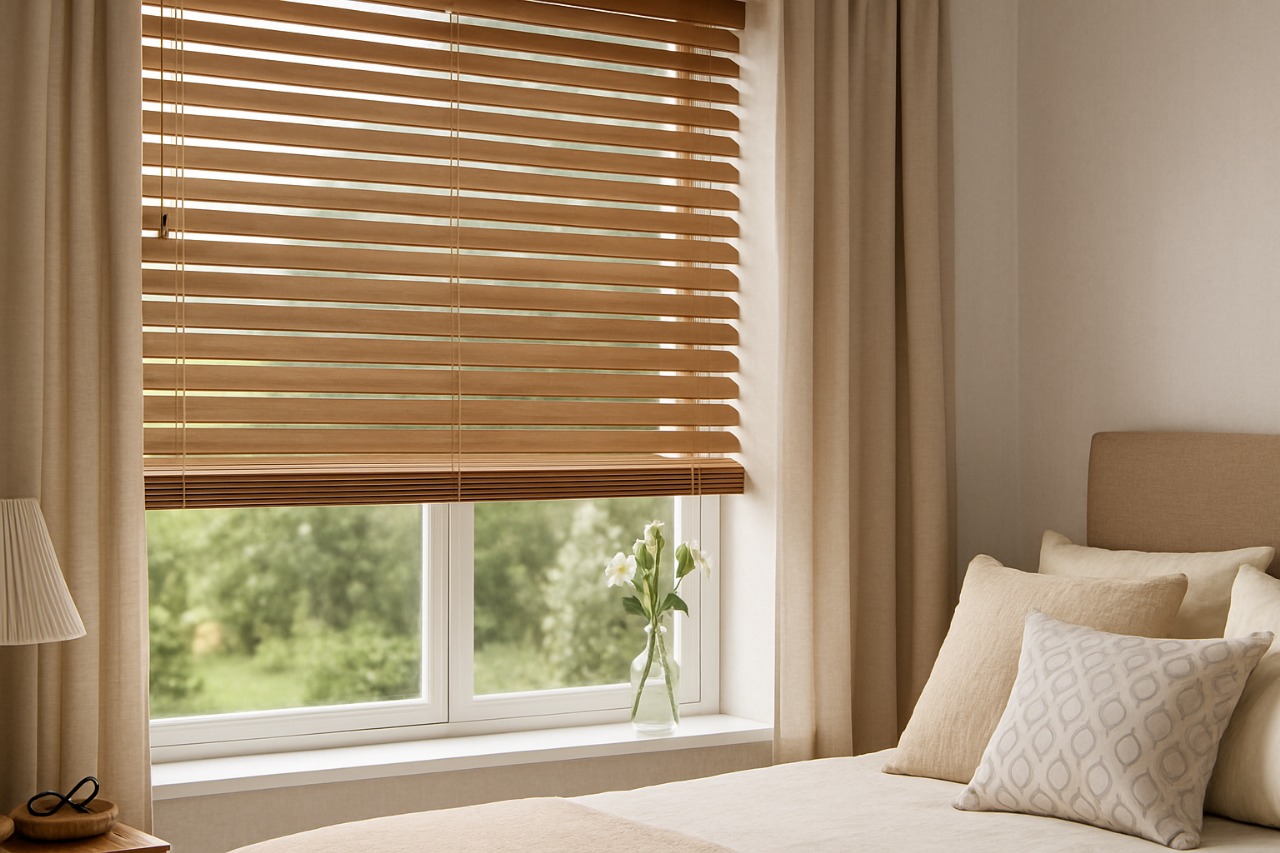
- Integrate shading: blinds, roller shades or external awnings for sun control and privacy.
Operation and maintenance
- Opt for hardware that allows quick opening for cleaning and service.
- High-quality gaskets and seals extend performance and insulation.
- Regular checks and lubrication of moving parts prevent breakdowns.
Safety and regulations
- Comply with local fire and egress rules: some premises require windows or doors with specific opening dimensions.
- For street-facing displays, consider anti-burglary glazing and locks.
Summary
- Choose materials based on window size and budget: uPVC for standard windows, aluminum for large panes.
- Prioritize acoustic glazing in noisy locations.
- Plan ventilation for humidity control in kitchens and dishwashing areas.
- Include sun protection: blinds, roller shades or awnings.
- Use safety glass for high-traffic and storefront areas.
- Select finishes that are easy to clean and resistant to moisture.
- Ensure convenient access for cleaning and maintenance.
- Check local regulations on fire safety and egress.
Frequently Asked Questions (FAQ)
What windows work best for street-facing storefronts?
Aluminum systems with thermal breaks or reinforced uPVC are ideal for large storefronts. Aluminum gives a slim, modern look and can support bigger glass panes; uPVC is cost-effective and easier to maintain.
How do I reduce street noise in a café?
Install acoustic glazing with varying glass thicknesses and an insulating gas fill. Increasing the overall depth of the glazing unit and using high-quality seals will also help.
Are ventilation vents in windows enough for a kitchen?
They can help reduce condensation but should be combined with mechanical exhaust ventilation for cooking areas to maintain air quality and safety.
Can I install sliding windows on a terrace?
Yes—sliding and folding systems are perfect for terraces and outdoor seating, allowing flexible opening and seamless transitions between indoor and outdoor areas.
Which frame color should I pick?
Choose a color that complements the façade and interior. Neutral and natural wood-tone laminations are popular for cozy cafés, while matte grays and blacks suit modern restaurants.
How to maintain windows in a food service environment?
Clean glass and frames regularly with non-abrasive detergents, inspect seals and drainage holes, and lubricate moving parts. Replace worn gaskets to preserve insulation.
If you want, we can prepare tailored window system options and a cost estimate for your specific café or restaurant—send dimensions and facade details.
DK-Logi blog topics and categories
Useful articles about PVC windows, blinds, and practical advice for your home.

GET A FREE WINDOW COST ESTIMATE!
Leave a request, and we will contact you to arrange a free measurement and provide a full cost estimate.
Your name
Your phone number *
Your e-mail
File
Choose file
Comment (e.g., window sizes, quantity, preferred profiles)
2025 © All rights reserved