WINDOWS


Date added: 20.07.26
Tips for choosing windows for series 119
Introduction
Panel apartment blocks of the 119 series are common in Latvia and other post-Soviet countries. Choosing the right PVC windows for these apartments affects insulation, ventilation, airtightness and the building's appearance. This guide provides practical tips on selecting profiles, glazing and installation methods tailored to typical 119-series flats.
Summary
- Typical features of 119-series openings
- Recommended profile types and chamber count
- Insulating glass units for energy saving and noise reduction
- Ventilation solutions for airtight windows
- Proper mounting, sealing and finishing
- Window sills, external drip edges and façade considerations
Characteristics of 119-series apartments
119 series apartments usually have rectangular openings, often with deep sills and limited space for external finishing. Wall thickness is often less than in brick buildings, so airtight joints and correct anchoring of frames are essential to avoid drafts and moisture.
Recommendations are based on installers’ experience and specifics of typical 119-series flats.
Choosing a profile
- Chamber count: a 3–5 chamber profile generally provides a good balance of thermal performance and structural strength without excessively increasing frame width.
- Profile depth: 60–70 mm suits most openings. Consider 80 mm if there is room for a wider frame or if additional thermal performance is needed.
- Reinforcement: adequate steel reinforcement in larger windows is mandatory for stability.
Insulating glass units (IGUs)
- A double-glazed (two-chamber) IGU with low-emissivity coating is a universal choice for colder climates.
- Using argon gas and appropriate spacer widths increases thermal and acoustic performance.
- For windows facing busy streets, increase sound insulation with thicker glass or specialized laminated panes.
Ventilation and condensation control
Airtight PVC windows require planned ventilation:
- Install micro-ventilation hardware in the sash to allow background airflow.
- Consider a wall-mounted or frame-integrated fresh air inlet if needed.
- Ensure proper slope of the sill and drainage gap to avoid condensation accumulation.
Mounting and sealing
Installation matters as much as product choice:
- Anchor the frame per manufacturer recommendations using plates or anchors at the required spacing.
- Use a layered "warm installation" approach: PU foam inside, vapor barrier towards the living space and a weatherproof external tape.
- Never leave the installation gap unprotected — it causes drafts and moisture issues.
Window sills, drip edges and appearance
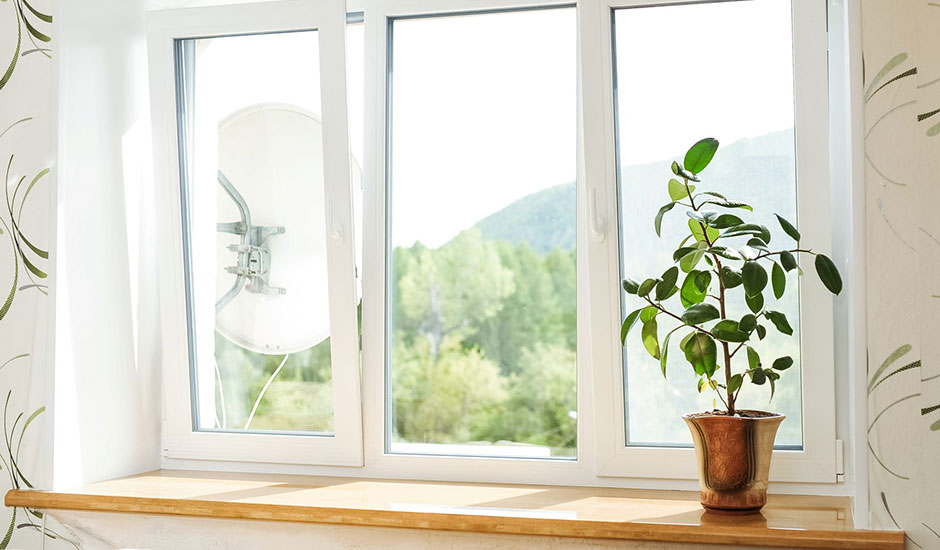
- Choose a water-resistant sill with a slight outward slope for runoff.
- The external drip edge must be sealed and fastened without gaps to prevent water ingress.
- Coordinate façade appearance with the building management when required to keep the external look consistent.
Security and optional features
- Reinforced locks and hardware for windows on lower floors or accessible façades.
- Consider safety films, laminated glass or anti-burglary fittings when needed.
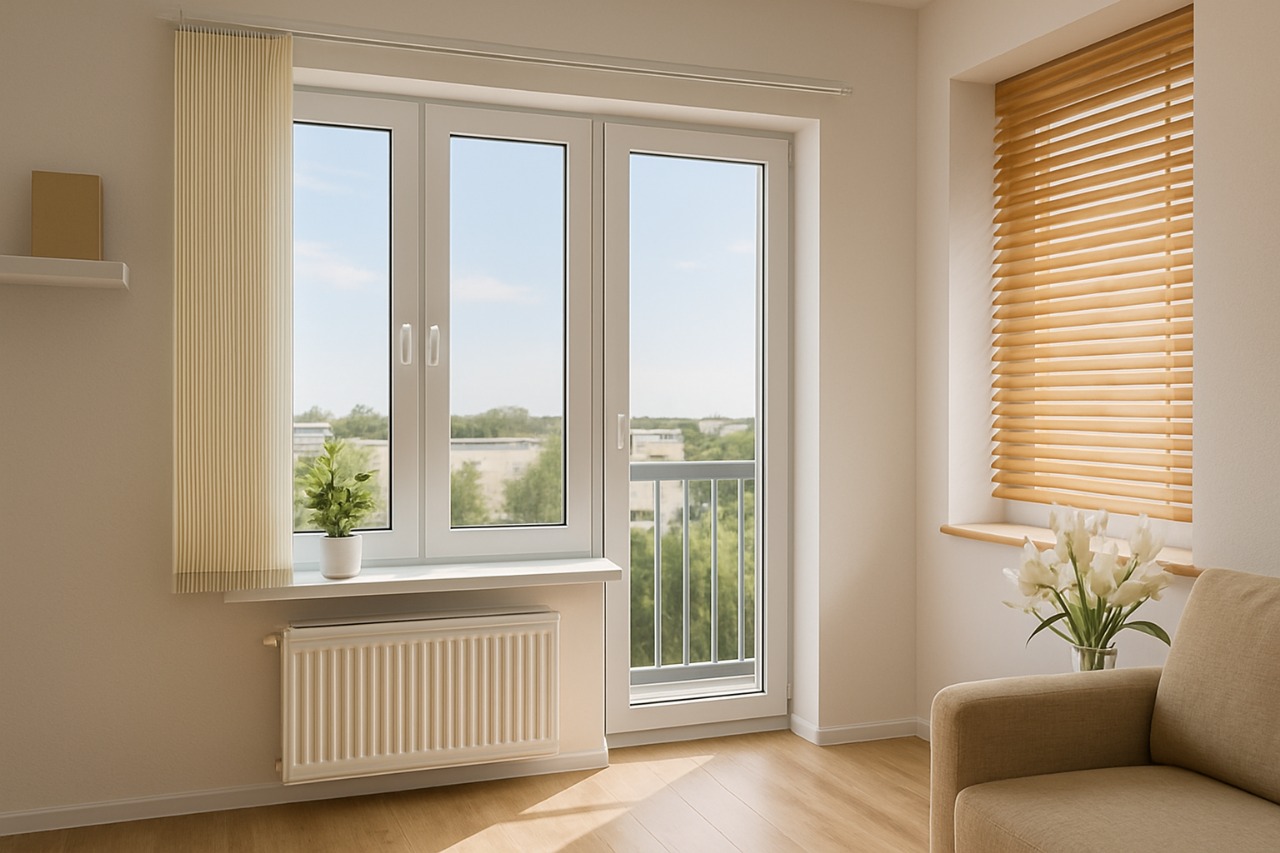
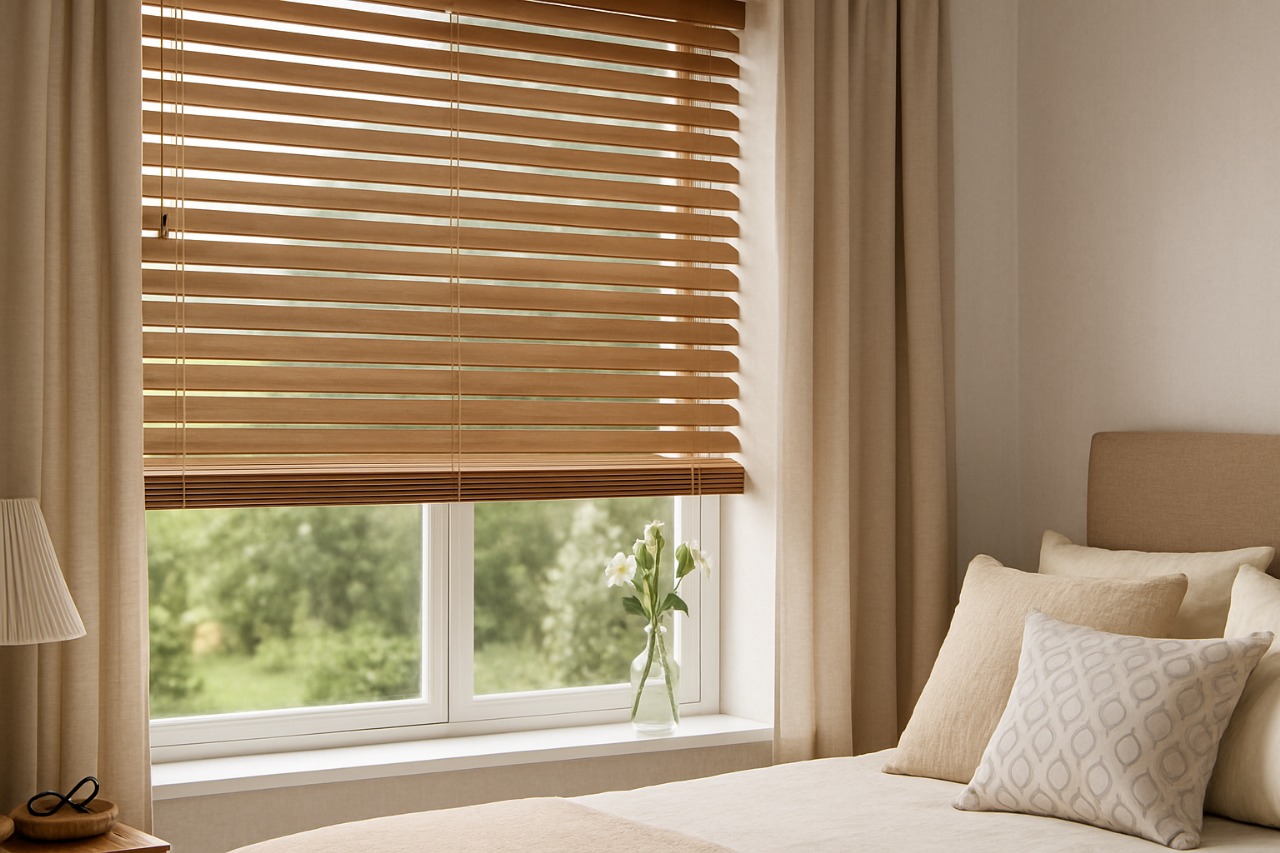
- Internal blinds, roller or Roman shades can be selected for privacy and aesthetics.
Pre-order checklist
- Accurate measurements according to the supplier’s guidelines.
- Select profile and IGU according to room orientation and noise exposure.
- Agree on external finish with building management if required.
- Clarify installation method (warm mount), anchoring, timeline and warranty terms.
FAQ — Frequently asked questions
Do I need approval to replace windows in a 119-series building?
Often, replacement that alters the external appearance requires notification or permission from the building association or management. Check local rules before ordering.
What IGU is best for cold climates?
A two-chamber IGU with low-E coating and argon filling is an effective choice for thermal comfort and energy savings.
How to ensure fresh air with airtight windows?
Install micro-ventilation in the sash or an independent fresh air inlet. This prevents humidity and stale air buildup.
Can I fit a wider profile in a narrow opening?
Yes, but it will reduce the visible glass area and may require changes to sills and finishes. Consult a measurer for the optimal solution.
Which is more important: profile or installation?
Both are crucial. Incorrect installation can negate the thermal benefits of a quality profile and IGU.
What about warranty and service?
Manufacturers typically offer multi-year warranties on profiles and glass; installation often carries a separate guarantee. Confirm durations before signing the contract.
If you want, we can prepare a tailored estimate for your 119-series opening, propose specific profiles and IGUs, and calculate installation costs and timing. Contact us to schedule a measurement and free consultation.
DK-Logi blog topics and categories
Useful articles about PVC windows, blinds, and practical advice for your home.

GET A FREE WINDOW COST ESTIMATE!
Leave a request, and we will contact you to arrange a free measurement and provide a full cost estimate.
Your name
Your phone number *
Your e-mail
File
Choose file
Comment (e.g., window sizes, quantity, preferred profiles)
2025 © All rights reserved