WINDOWS


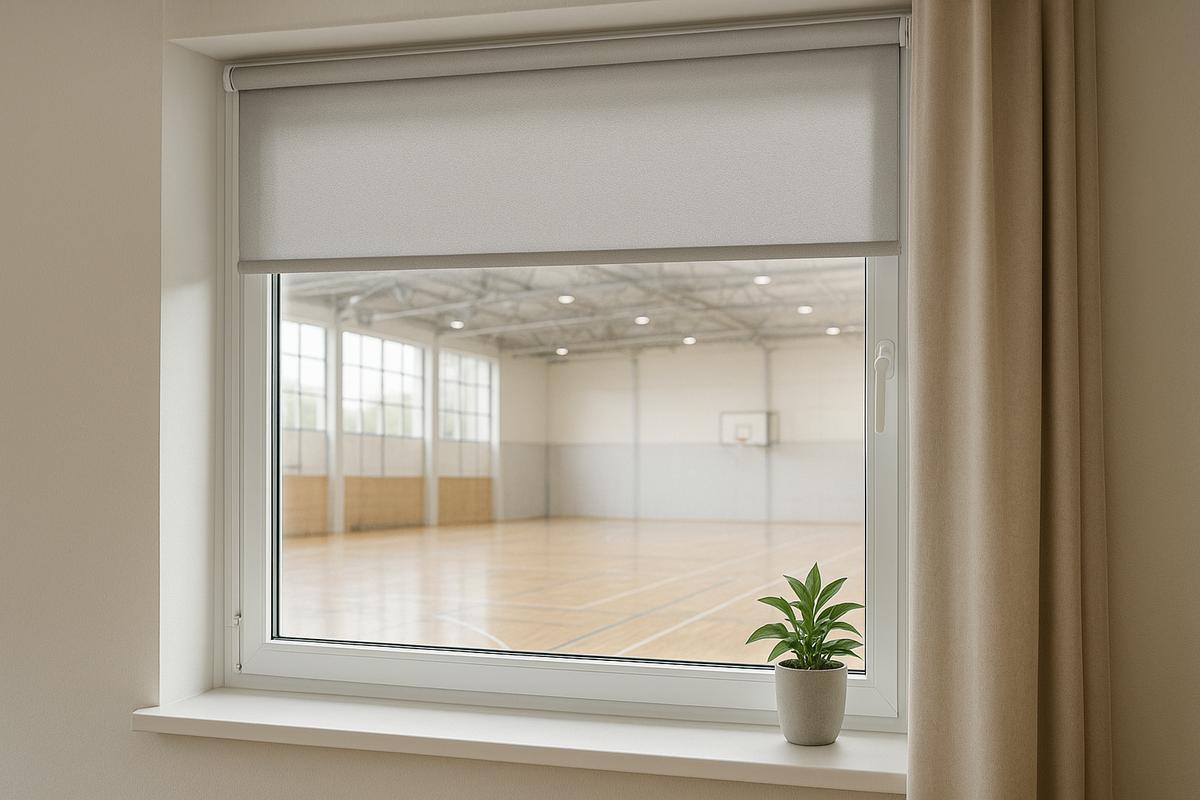
Date added: 06.09.26
Tips for choosing windows for sports halls
Introduction
Choosing windows for a sports hall involves several technical and operational considerations. The right glazing affects athlete comfort, safety, energy efficiency and long-term durability. This guide is aimed at facility managers, architects and contractors selecting PVC windows and related systems for sports facilities.
Key requirements for sports hall windows
- Strength and impact resistance: glazing and frames must withstand mechanical stress and occasional impacts.
- Safety: safe breakage behavior, no sharp fragments, resistance to forced entry where needed.
- Light control: minimize glare and manage daylight distribution.
- Ventilation and air exchange: maintain air quality during high occupancy.
- Thermal and acoustic insulation: energy savings and reduced external noise.
- Ease of maintenance: resistance to frequent cleaning and chemical agents.
Glazing: what matters
Multi-layer and impact-resistant glass
For sports halls, at least double glazing with tempered or laminated glass is recommended. Laminated glass holds fragments when broken, which is critical for injury prevention.
Solar control and anti-glare
Use glazing with Low-E coatings and options for tinting or solar control films. These reduce glare on courts and limit overheating during summer.
Sound insulation
Near busy roads or noisy areas, use glazing with varying glass thicknesses and increased cavity sizes to improve acoustic performance.
Profiles and frames: why PVC is a practical choice
PVC profiles are popular due to corrosion resistance, affordability and low maintenance. Important considerations for sports halls:
- Internal steel reinforcement for large sash sizes and extra strength.
- Resistance of the surface finish to frequent wet cleaning and detergents.
- Adequate drainage channels and external sills to prevent moisture ingress.
Opening types: fixed, tilt-and-turn and sliding
- Fixed units are ideal for high glazing where structural strength and minimal maintenance are priorities.
- Tilt-and-turn sashes permit controlled ventilation but must be protected against impact and vandalism.
- Sliding systems can cover large spans but require regular maintenance of tracks.
Ventilation and indoor climate
Consider integrating trickle vents with filtration and heat recovery into window systems when natural ventilation is insufficient. Window-mounted vents help control CO2 levels and temperature during intensive activity.
Safety and anti-vandal solutions
- Laminated or tempered safety glass.
- Protective internal guards or bump rails in high-activity zones if necessary.
- Robust hardware and concealed hinges to prevent forced removal of sashes.
Note: Any added safety measures must comply with fire safety and egress requirements.
Solar shading: blinds and curtains
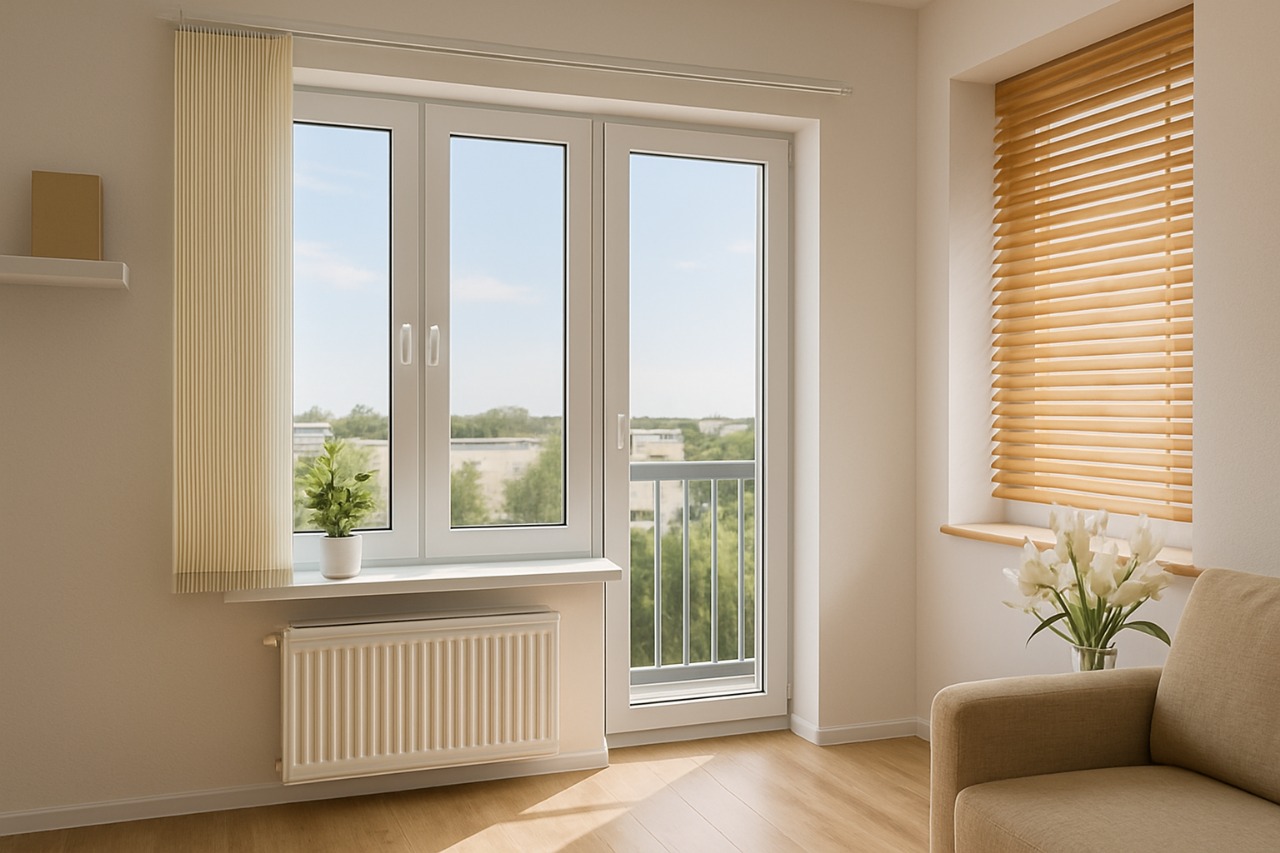
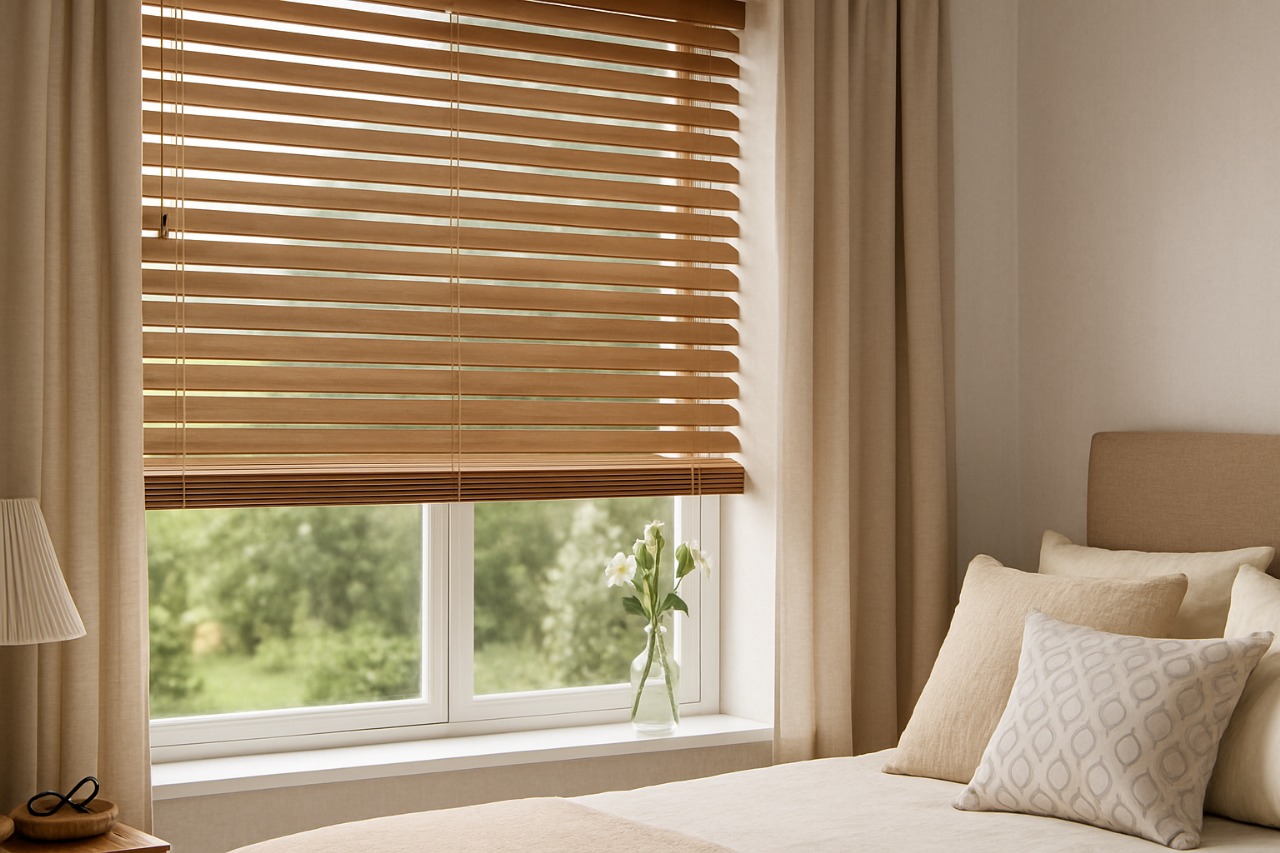
Integrated external or internal shading systems — roller blinds, vertical blinds or heavy-duty curtains — allow fast light control and glare reduction. Choose wear-resistant materials with fade protection for sports environments.
Installation, maintenance and warranty
Quality installation is crucial: correct waterproofing, thermal sealing and proper flashing. Establish a maintenance schedule: glass cleaning, checking drains, inspecting seals and hardware.
Recommendations and checklist before purchase
- Opt for laminated or tempered safety glass.
- Ensure steel reinforcement within PVC profiles.
- Consider Low-E coatings and solar control options.
- Plan for ventilation with vents or mechanical systems.
- Evaluate acoustic requirements based on surroundings.
- Align anti-vandal measures with fire safety rules.
- Secure a service plan and warranty in the contract.
FAQ — Common questions
What glazing is best for a sports hall?
A double or triple-glazed unit with tempered or laminated glass is best. Low-E coatings and solar control options help manage temperature and glare.
Are anti-vandal windows necessary?
In high-impact areas or locations with risk of vandalism, yes: laminated glass, reinforced frames and protected hardware are advised.
How to ventilate during busy sessions?
Combine window trickle vents with mechanical ventilation and heat recovery if possible to maintain CO2 levels and comfort.
How often is maintenance required?
At least once a year for preventive checks; in heavily used halls, every six months. Include drain cleaning, seal inspections and hardware lubrication.
Can blinds be fitted inside the glazing unit?
Yes — internal (between-glass) blinds exist. They are protected from dust and damage but cost more and can be more difficult to repair.
Conclusion
Choosing windows for a sports hall requires balancing durability, safety and day-to-day comfort. PVC systems with internal reinforcement, impact-resistant glazing, planned ventilation and integrated solar protection provide robust and practical solutions. Coordinate technical choices with designers and installers and document maintenance and warranty obligations.
DK-Logi blog topics and categories
Useful articles about PVC windows, blinds, and practical advice for your home.

GET A FREE WINDOW COST ESTIMATE!
Leave a request, and we will contact you to arrange a free measurement and provide a full cost estimate.
Your name
Your phone number *
Your e-mail
File
Choose file
Comment (e.g., window sizes, quantity, preferred profiles)
2025 © All rights reserved