WINDOWS


Date added: 07.09.26
Tips for choosing windows for swimming pools
Why choosing the right windows for a pool matters
Windows in pool rooms face high humidity, corrosive chemicals (chlorine), and frequent temperature swings. Poorly chosen windows can lose sealing, suffer hardware corrosion, and cause persistent condensation. This guide explains what to look for when selecting long-lasting, low-maintenance windows for indoor and poolside areas.
Key requirements for pool windows
- Corrosion resistance: hardware and fasteners must be stainless steel or have anti-corrosion coatings.
- Moisture-resistant frames: PVC profiles with moisture stabilization and UV protection.
- Proper glazing: multi-chamber insulated glass units, tempered or laminated glass where needed.
- Effective ventilation: mechanical ventilation or window micro-ventilation to reduce humidity.
- Durable seals: EPDM or similar seals resistant to chlorine and ozone.
Profiles and materials
PVC profiles are generally the best choice for indoor pool environments. Consider:
- Profile class: multi-chamber systems provide better thermal insulation.
- Moisture protection: choose profiles specifically designed for humid environments.
- Coatings and color: if opting for laminated finishes, confirm their resistance to humidity and chlorine.
Alternatives
- Aluminum with anodizing or powder coating can be used for slimmer frames — ensure anti-corrosion treatment.
- Wood is not recommended unless professionally treated and regularly maintained.
Insulated glass units and safety
Glazing choice impacts thermal performance, safety, and light transmission.
- Double or triple glazing: triple glazing improves thermal performance but increases cost.
- Tempered glass: better resistance to thermal and mechanical stress; breaks into small safe fragments.
- Laminated glass: holds together when broken — useful in high-traffic pool areas.
- Special coatings: Low-E coatings help retain heat and reduce condensation.
Hardware and accessories
- Use stainless steel hardware (grades AISI 304 or 316) where possible.
- Ensure drainage channels and water escape paths are present in the frame design.
- Thresholds and sills should be waterproof if the window serves as an access point to the pool.
Ventilation and humidity control
Even well-sealed windows won’t solve humidity without proper ventilation.
- Mechanical ventilation with heat recovery is recommended in cold climates.
- Local exhaust above the pool and controlled air supply prevent excessive moisture buildup.
- Window micro-ventilation features allow air exchange without significant heat loss.
Preventing condensation
- A warm frame and energy-efficient glazing reduce condensation risk.
- Proper spacing in the construction and adequate ventilation are critical.
- Use moisture-resistant finishes around windows.
Sun control and comfort
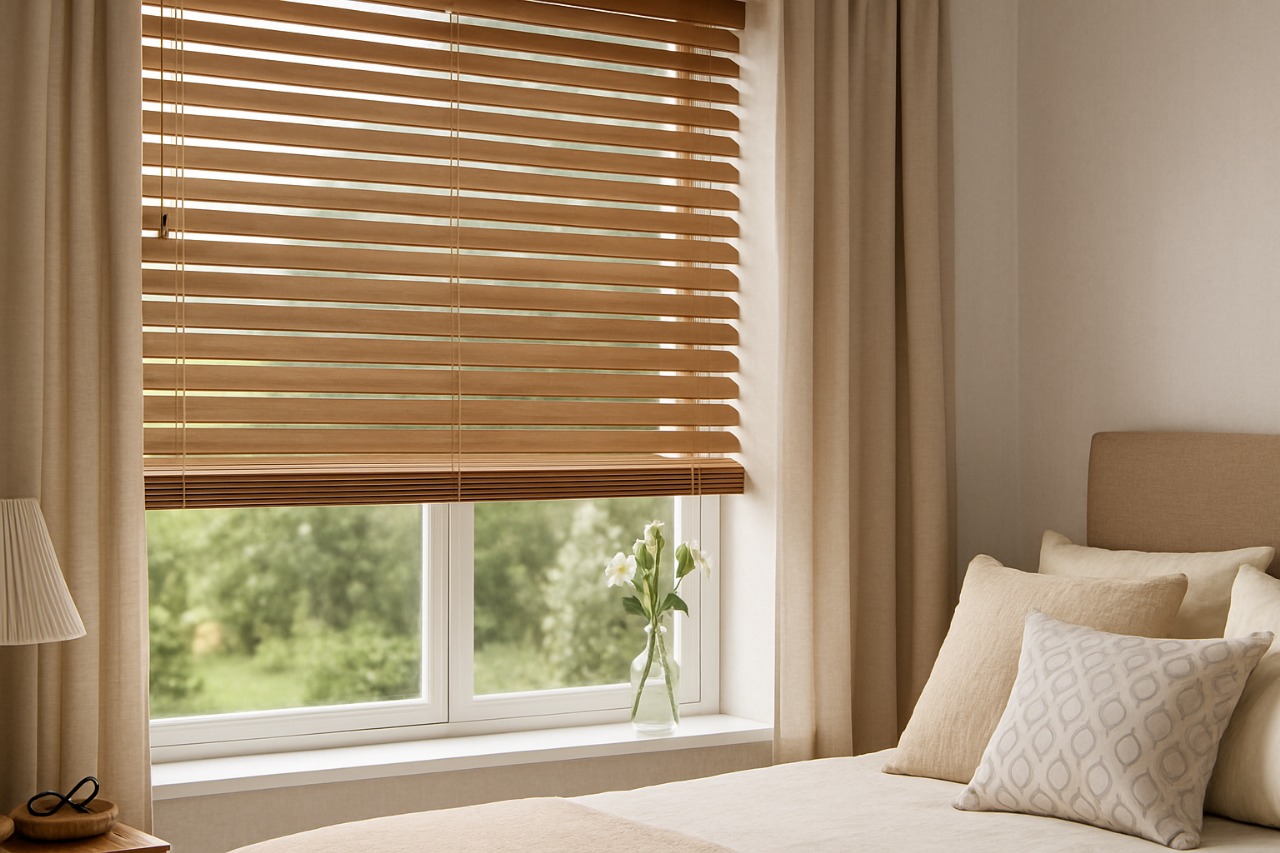
Shading solutions like blinds or roller shades manage glare and solar gain. Choose moisture-resistant materials (PVC blinds, aluminum slats) that won’t harbor mold.
Maintenance and care
- Clean frames with a mild detergent regularly.
- Inspect seals and hardware every 6–12 months.
- Avoid aggressive chlorine-based cleaners on seals and profiles.
Practical tips when ordering
- Check the pool’s water chemistry and chlorine levels — this affects hardware and seal selection.
- Order windows with stainless hardware and extra moisture protection.
- Consider triple glazing in colder climates, double glazing with Low-E in milder regions.
- Coordinate ventilation planning together with the window specification.
- Ask the manufacturer for documented resistance tests for chlorine and humidity.
FAQ — Common questions
Do I need tempered glass for pool windows?
Yes. Tempered glass is safer under thermal stress and mechanical impact.
Can I use standard hardware?
It's not recommended. Standard hardware corrodes faster; opt for stainless or specially coated parts.
How to minimize chlorine-related corrosion?
Ensure good ventilation, choose corrosion-resistant materials, and prevent direct contact between chemicals and frames.
Are blinds necessary?
Blinds provide light control and privacy; choose moisture- and mold-resistant types.
Conclusion
Choosing windows for pool environments requires balancing moisture resistance, chemical durability, thermal performance, and practicality. Investing in appropriate profiles, glazing, hardware, and ventilation pays off with reduced maintenance and longer service life.
DK-Logi blog topics and categories
Useful articles about PVC windows, blinds, and practical advice for your home.


GET A FREE WINDOW COST ESTIMATE!
Leave a request, and we will contact you to arrange a free measurement and provide a full cost estimate.
Your name
Your phone number *
Your e-mail
File
Choose file
Comment (e.g., window sizes, quantity, preferred profiles)

2025 © All rights reserved