WINDOWS


Date added: 15.09.26
Tips for choosing windows for top floors
Tips for choosing windows for top floors
Choosing windows for top-floor apartments needs attention to wind loads, sun exposure, cleaning access and safety. Below are practical recommendations on profiles, insulating glass units, fittings, sun protection and installation details.
Why a specific approach matters
Top floors are exposed to stronger winds, higher solar radiation and larger temperature swings. Poor window selection may lead to drafts, overheating, condensation or seal failures.
Main selection criteria
- Profile rigidity: choose 5– or 6‑chamber PVC profiles with steel reinforcements when the façade faces strong winds.
- IGUs (insulating glass units): double or triple glazing with warm edge spacers and argon fill is recommended; consider Low‑E coatings in sunny exposures.
- Fittings and anchors: reinforced, corrosion‑resistant fittings and strong hinges are essential. Check load class and endurance cycles.
- Installation and drainage: correct water drainage and reliable vapor/water sealing at joints and reveals are critical.
Opening types and ventilation
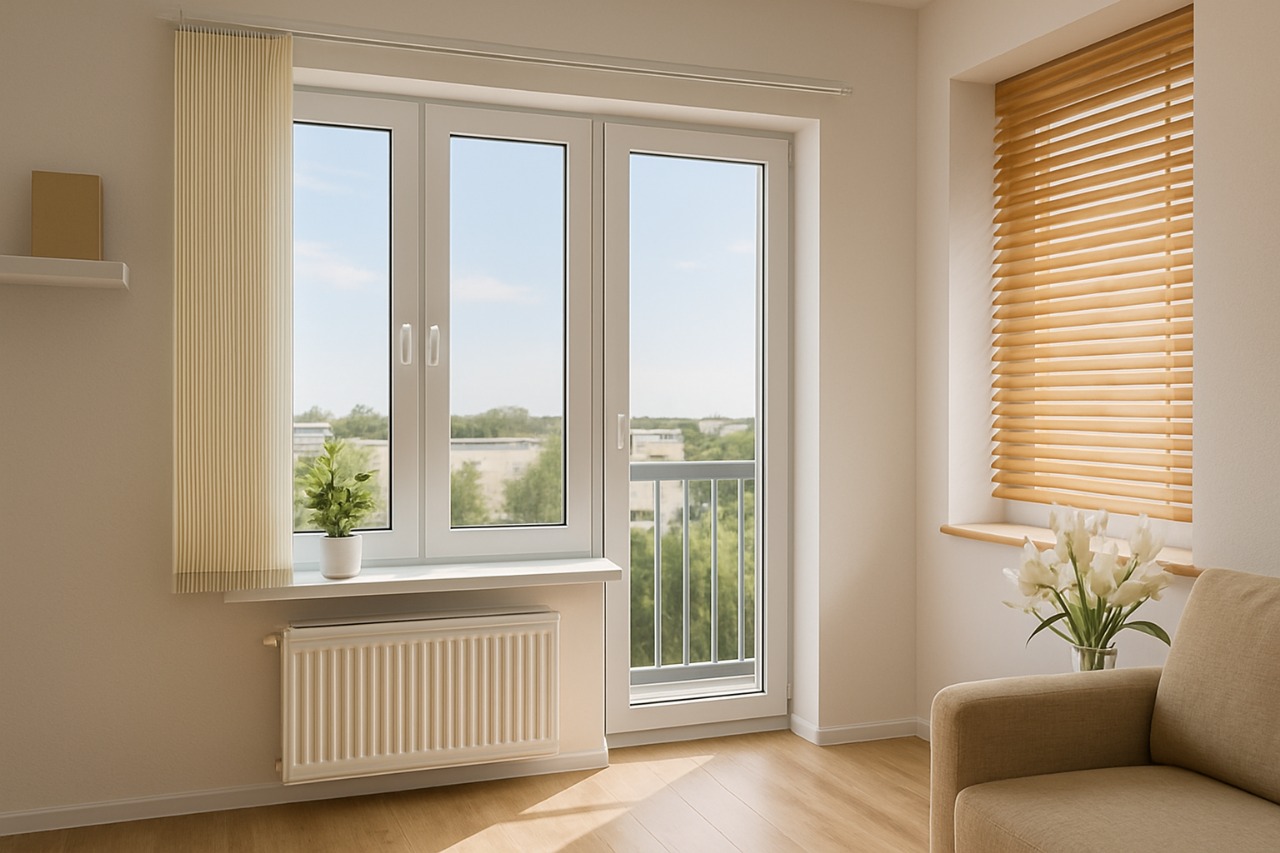
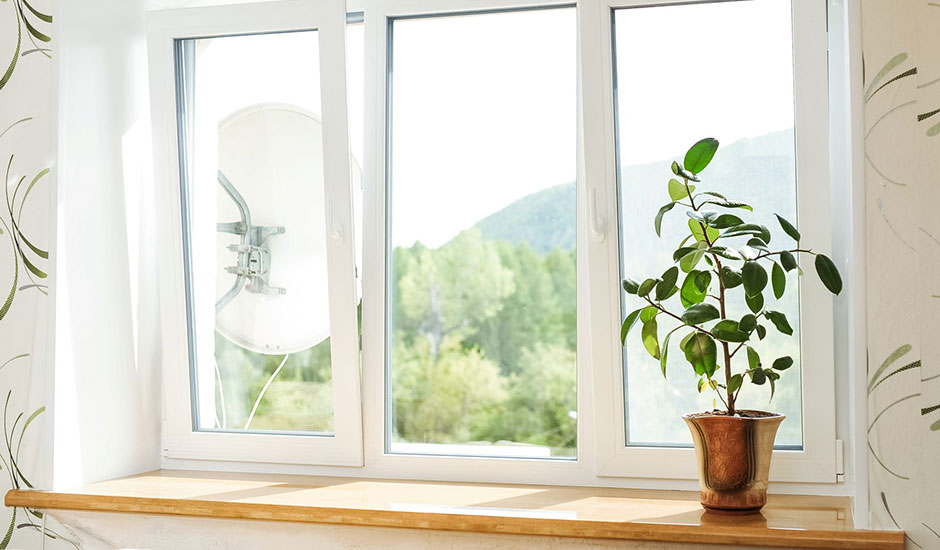
- Tilt-and-turn windows provide safe ventilation and make interior cleaning easier — a practical choice for high floors.
- Micro‑ventilation and tilt modes allow fresh air without fully opening the sash and reduce the impact of gusts.
- If the apartment is very airtight, consider supply ventilation or window vents with filtration.
Protection against wind and precipitation
- Multiple sealing gaskets (2–3) will reduce drafts and prevent water ingress under wind pressure.
- The frame drainage system must handle intense water flow and prevent backflow.
Thermal and acoustic insulation
- Warm edge spacers and argon filling improve thermal performance.
- For urban noise, use IGUs with unequal glass thicknesses and aim for Rw 32–42 dB depending on the noise level.
Sun protection and overheating prevention
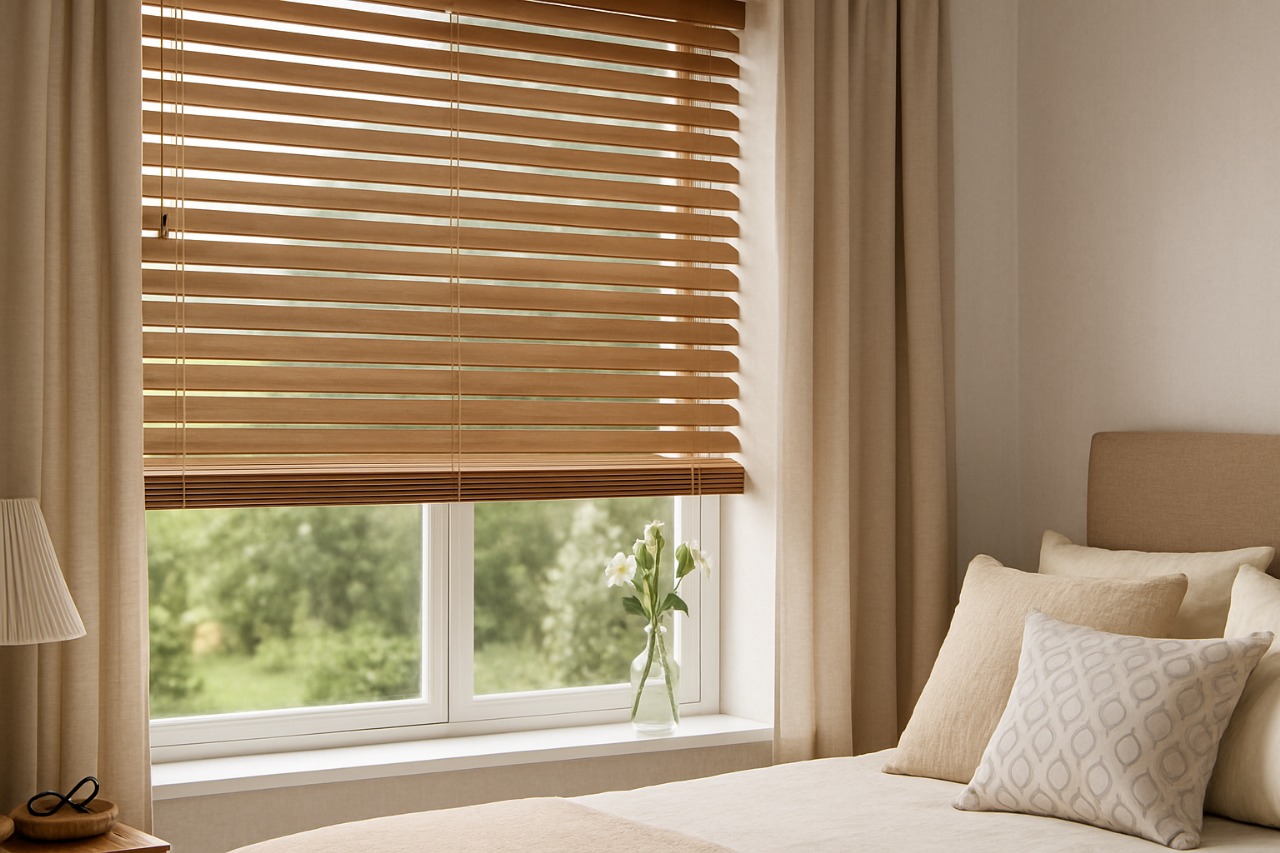
- Exterior sun protection (blinds, shutters, awnings) is more effective than interior solutions.
- For top floors choose external roller or vertical blinds with remote control, or sealed built‑in blinds between panes if wind is an issue.
Safety and fall protection
- Use opening restrictors and anti‑burglary fittings; laminated glass is advisable when a fall risk exists.
- For homes with small children, install child locks and limiters to prevent full opening.
Maintenance and cleaning
- Select window systems that rotate or tilt for safe interior cleaning.
- When external access is limited, consider self‑cleaning glass or professional window cleaning services.
Recommendations when ordering and installing
- Use certified installers and request an installation report, waterproofing details and guarantees.
- Discuss reinforcement anchoring, external sills and water runoff details with the contractor.
- Verify compatibility of sun protection devices with wind loads and mounting options.
FAQ — frequently asked questions
Do I need triple glazing for a top‑floor apartment?
Triple glazing improves thermal and acoustic insulation but increases sash weight and requires stronger profiles and fittings. It makes sense in cold climates or very noisy locations; otherwise a high‑quality double glazing with Low‑E may be sufficient.
How to protect windows from strong summer sun?
Exterior blinds and awnings are the most effective. Interior curtains reduce glare but do not prevent glass heating as well as exterior shading.
Are blinds between glass panes a good option?
Yes: they are protected from wind and dirt, but they are more expensive and require precise ordering as they are integrated into the IGU.
Is anti‑corrosion hardware important?
Absolutely. Top‑floor fittings face wind and humidity. Choose fittings with protective coatings and a high endurance rating.
How to deal with exterior cleaning when there is no balcony?
Tilt-and-turn sashes let you clean from the inside. Otherwise, professional window cleaners or rope access might be required.
What to check before final payment?
Check sash alignment, micro‑ventilation functionality, absence of drafts and correct drainage openings. Ask for an installation acceptance certificate and care instructions.
If you need a tailored specification for your building, measurement support or a commercial offer — our specialists can prepare a solution adapted to wind loads, sunlight and safety requirements.
DK-Logi blog topics and categories
Useful articles about PVC windows, blinds, and practical advice for your home.


GET A FREE WINDOW COST ESTIMATE!
Leave a request, and we will contact you to arrange a free measurement and provide a full cost estimate.
Your name
Your phone number *
Your e-mail
File
Choose file
Comment (e.g., window sizes, quantity, preferred profiles)

2025 © All rights reserved