WINDOWS


Date added: 05.08.26
Tips for choosing windows for upper floors
Tips for choosing windows for upper floors
Choosing windows for upper floors requires special attention to safety, wind resistance, insulation and ease of maintenance. This guide gives practical recommendations for apartment owners and building managers: which profiles and glazing to choose, which opening types are best for height, and how to ensure a reliable installation.
Key factors to consider
- Safety and fall prevention: laminated glass, opening restrictors, locking handles.
- Wind load and airtightness: reinforced profiles, proper anchoring, professional sealing.
- Thermal and sound insulation: multi-chamber profiles, double or triple glazed units, argon fill.
- Opening type: tilt-and-turn, casement, sliding — consider access for cleaning and ventilation.
- Maintenance: easy access for cleaning, durable hardware and seals.
1. Safety first
Upper floors pose greater risks for falling objects or accidental falls. Recommended measures:
- Use laminated (PVB) or laminated safety glass (triplex) — it stays in place when broken.
- Install opening restrictors and childproof handles to prevent full outward opening.
- For homes with children, position handles with locks or mount them out of reach.
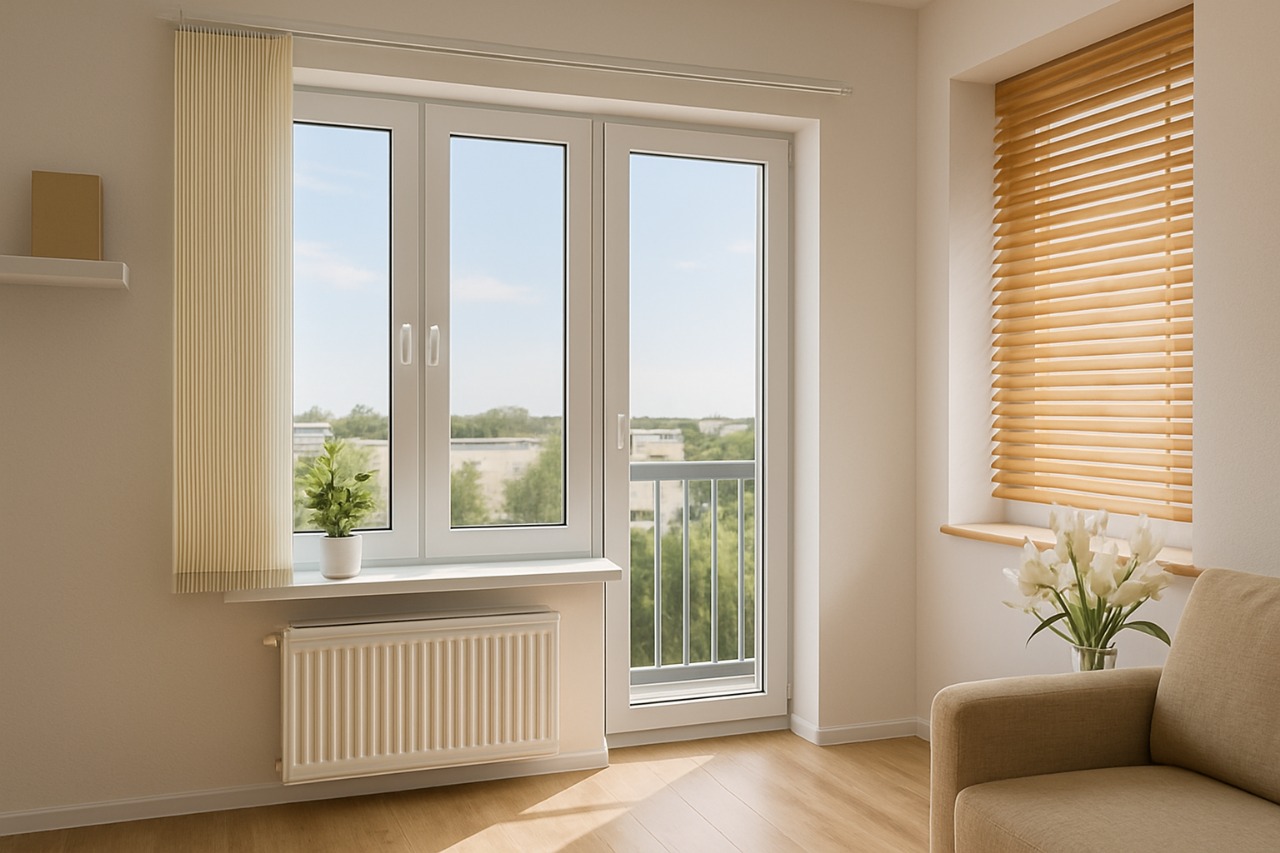
Laminated insulated glass units combine safety and clarity — ideal for balcony or French windows.
2. Wind load and structural strength
Wind impact increases with height. Important measures include:
- Profiles with steel reinforcement or reinforced composite inserts.
- Secure anchoring: anchors, foam and sealing tapes appropriate for wind-exposed joints.
- Checking the window's classification for wind resistance when ordering.
3. Thermal and acoustic insulation
Upper floors can be noisy and exposed to temperature swings. Recommended solutions:
- Triple-glazed insulated glass units with argon for improved thermal performance.
- Acoustic glazing options with laminated layers and varied glass thickness.
- High-quality multi-contour seals for airtightness.
4. Opening types: cleaning and ventilation convenience
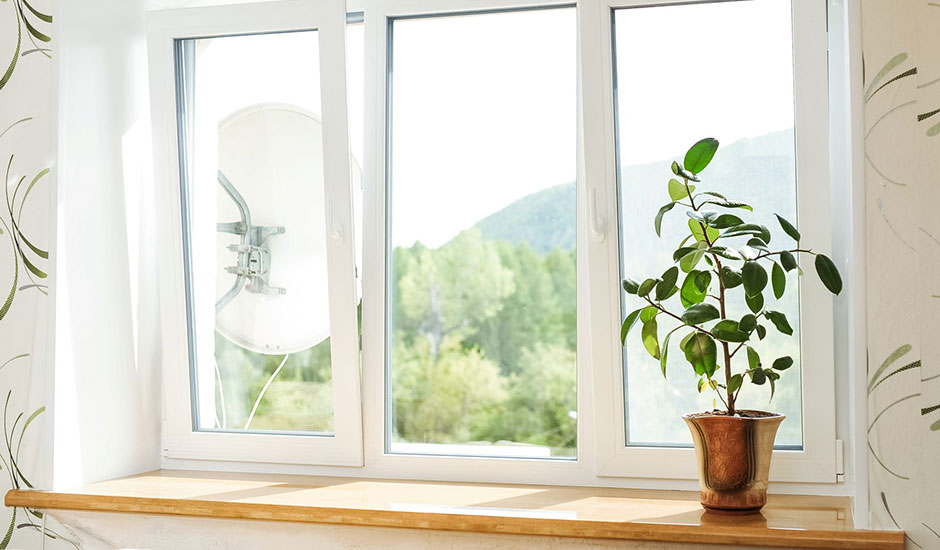
- Tilt-and-turn windows are often the best choice: secure ventilation and easy cleaning from inside.
- Casement windows suit narrow openings but external cleaning can be harder.
- Sliding systems work for loggias but may lack the same airtightness and are more complex to install at height.
5. Blinds and sun protection for upper floors
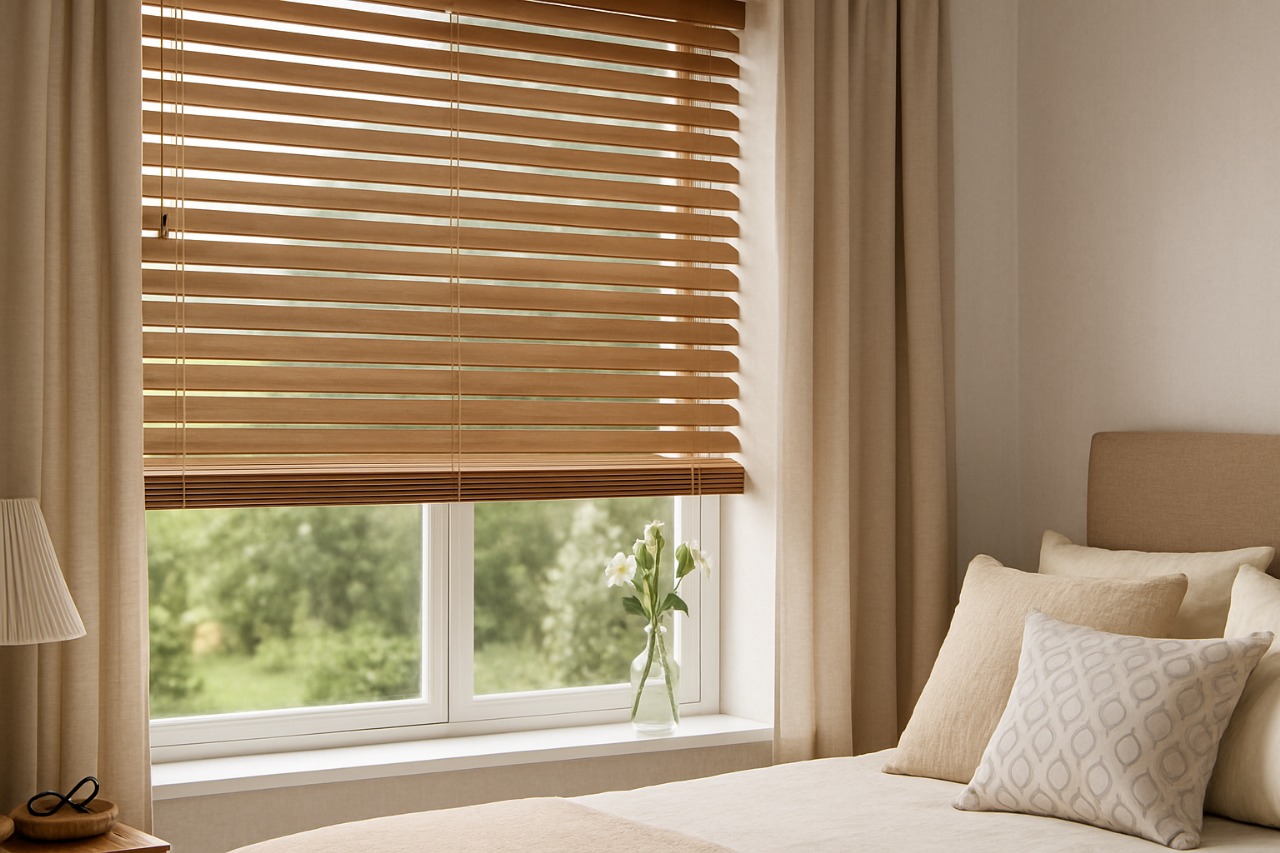
For upper floors, cassette external roller blinds or reinforced external shutters offer sun protection and privacy. Internal solutions like Roman blinds or horizontal slats are stylish and low-maintenance. Consider wind load ratings for any external shading.
6. Installation and anchoring
Proper installation is more important than profile alone. On upper floors consider:
- Anchoring into the structural wall with appropriate-length anchors and fixings.
- Proper sealing of the installation gap: internal vapor barrier, thermal break, external waterproofing.
- Checking the opening geometry and compensating for any settlement.
7. Maintenance and service
- Choose hardware with anticorrosion finishes (important for exposed facades and humid climates).
- Regular lubrication of moving parts and inspection of seals extend service life.
- Use soft detergents and extension poles for cleaning the outer glass if external access is limited.
Frequently Asked Questions (FAQ)
Do profiles need reinforcement for upper floors?
Yes. Increased steel reinforcement and stronger frame construction are necessary to resist wind loads and to keep sash geometry stable.
Which glazing is better: double or triple glazed?
Triple glazed units with argon are often recommended for upper floors — they improve thermal insulation and reduce noise.
What type of blinds are suitable for a balcony on a high floor?
External cassette roller blinds with wind fixation or reinforced external shutters. Internal blinds are good for sun control but cannot withstand strong winds outdoors.
How to ensure safe window cleaning?
Tilt-and-turn windows allow cleaning the outer side from inside. For large facades, use restrictors and safety systems designed for maintenance.
Is additional ventilation necessary?
Yes. Upper floors benefit from controlled ventilation — micro-ventilation or trickle vents provide fresh air without creating drafts.
Description: Practical advice for choosing and installing windows on upper floors: safety, wind resistance, insulation, opening types, installation and blinds.
DK-Logi blog topics and categories
Useful articles about PVC windows, blinds, and practical advice for your home.

GET A FREE WINDOW COST ESTIMATE!
Leave a request, and we will contact you to arrange a free measurement and provide a full cost estimate.
Your name
Your phone number *
Your e-mail
File
Choose file
Comment (e.g., window sizes, quantity, preferred profiles)
2025 © All rights reserved