WINDOWS


Date added: 28.08.26
Tips for choosing windows for verandas
Tips for choosing windows for verandas
A veranda is a transitional space between the house and outdoors — used for relaxation, greenhouse plants, or extra living space. Choosing the right windows makes the veranda comfortable, energy-efficient and functional. The wrong choice can negate these benefits.
Summary
- Decide whether the veranda will be heated or seasonal.
- Choose frame and insulated glass based on U-value needs.
- Pick opening types for ventilation and convenience.
- Pay attention to seals and moisture protection.
- Plan sun protection: blinds, roller shades, or tinting.
- Ensure proper installation and warranty terms.
1. Define the veranda's purpose
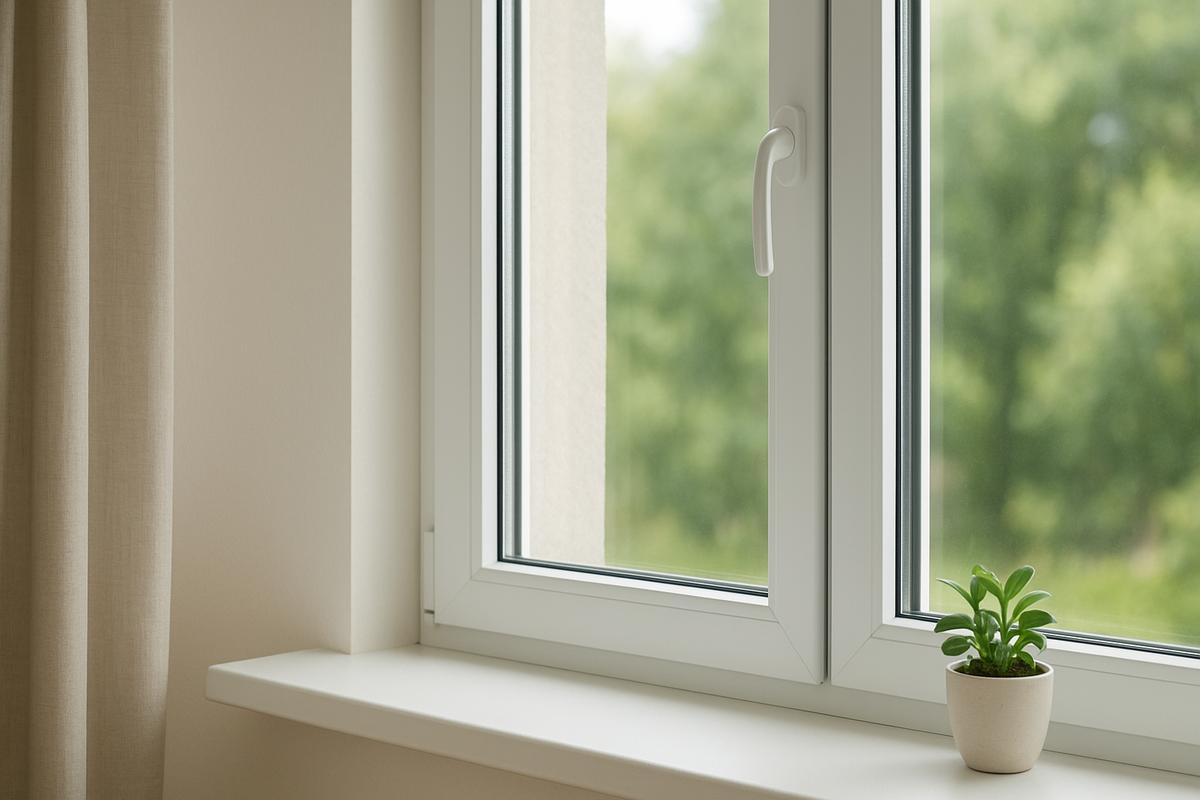
Start by determining whether the veranda will be heated year-round or only used seasonally. Heated verandas require warmer solutions: a 3-chamber PVC profile and double- or triple-glazed insulated units with low-E coatings. Seasonal spaces can use simpler, lighter options.
2. Frame and insulated glass: what matters
- Frame: opt for reputable PVC systems with at least three chambers, strong reinforcement, and reliable sealing. Reinforced steel inside the profile is important for large openings.
- Insulated glass units: single, double or triple panes. More chambers mean lower heat loss but higher weight and cost. Low-E coatings and inert gas fills (argon, krypton) significantly improve insulation.
3. Opening types and ventilation
Common choices for verandas:
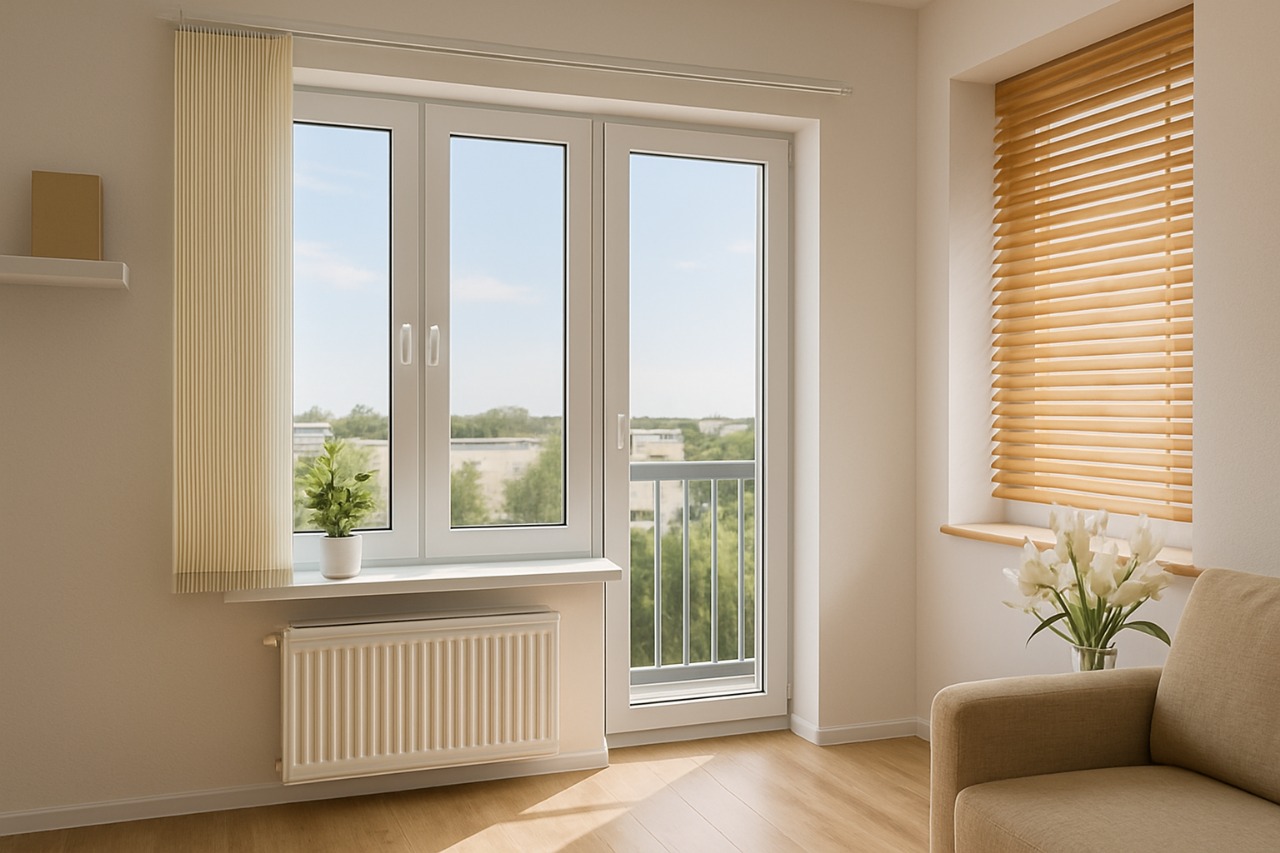
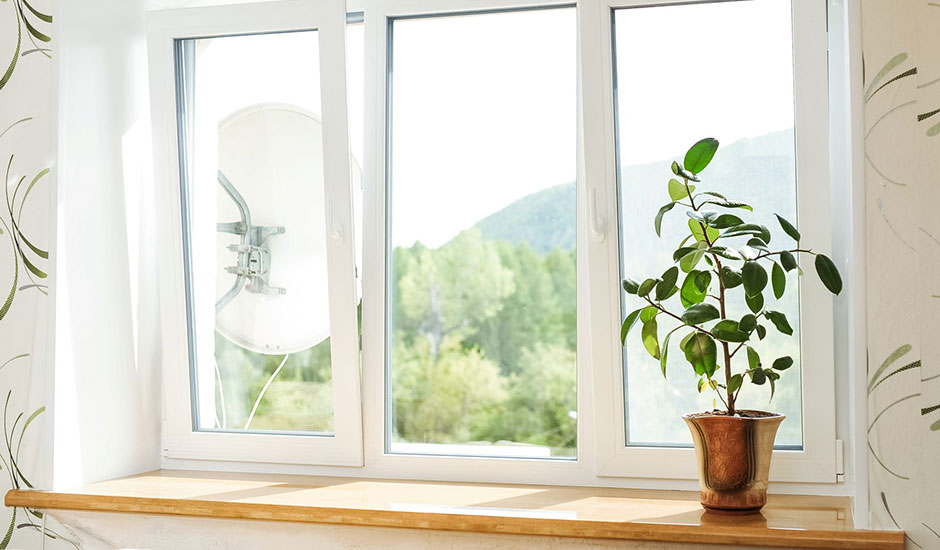
- Tilt-and-turn windows — versatile for ventilation and cleaning.
- Sliding systems — save space and work well for panoramic openings but can be harder to seal.
- Fixed panes — great for insulation but require a ventilation system.
Include mechanical or micro-ventilation to prevent dampness and condensation.
4. Insulation and moisture protection
Proper sealing and installation are crucial:
- Provide proper water drainage and external sills.
- Use vapor barrier on the room side and waterproofing on the exterior.
- Install durable seals and moisture-resistant foam.
Insulate floors and thresholds if the veranda is at ground level.
5. Sun control and light management
Sun-exposed verandas need sun control measures:
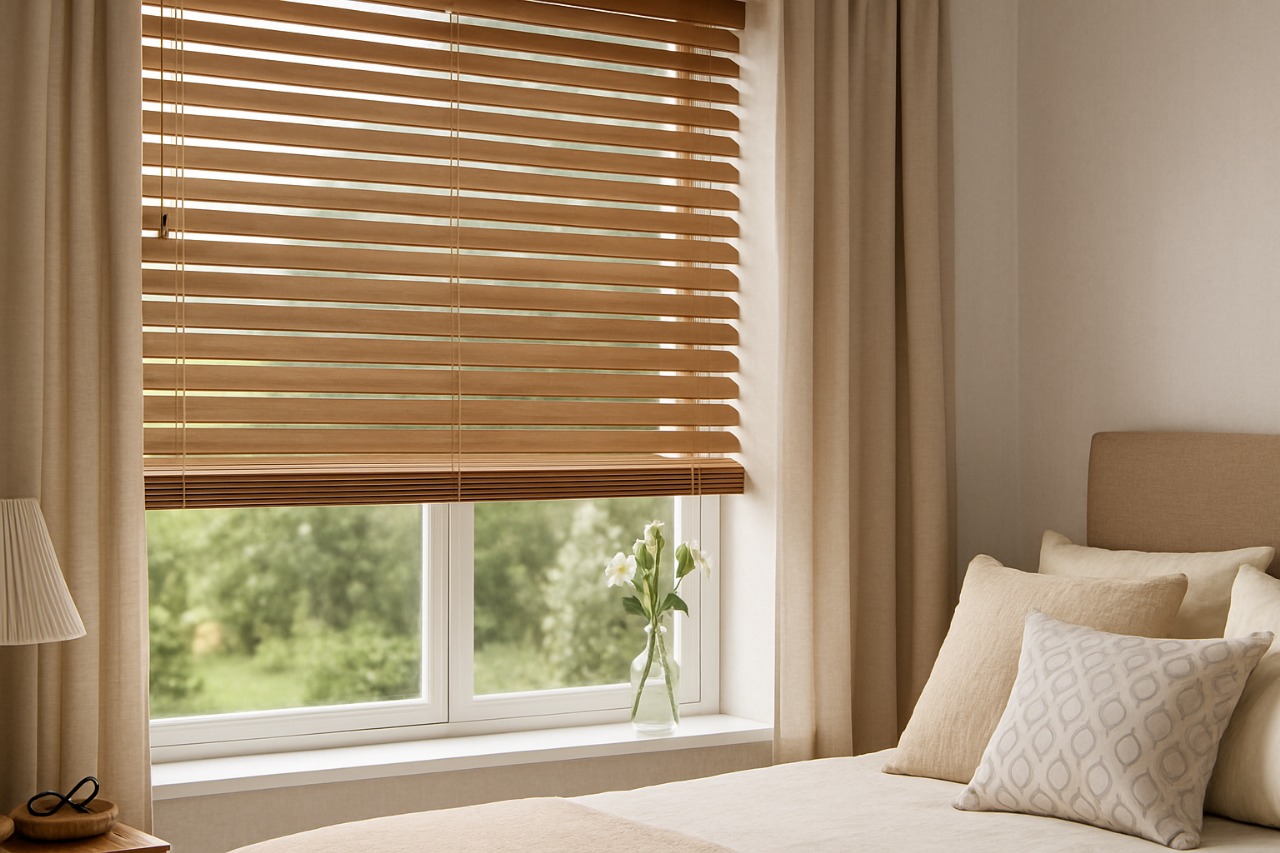
- Interior blinds or roller shades are convenient and affordable.
- Exterior awnings or shutters provide better thermal protection but cost more.
- Tinted or selective glass reduces heat while preserving visibility.
6. Security and sound insulation
If the veranda faces a noisy street or needs extra security, choose thicker IGUs, laminated or tempered glass, and reinforced profiles. Acoustic glass and multi-chamber profiles reduce noise transfer.
7. Installation and quality checks
Professional installation matters more than small price differences. During installation, check:
- Exact dimensions and squareness of the opening.
- Proper leveling and absence of gaps.
- Correct installation of sills and external finishing.
After installation, test all sashes, seals and drainage.
8. Maintenance and warranty
Regular cleaning of seals and tracks prolongs service life. Keep warranty documents — reliable manufacturers typically offer 5–10 years on profiles and hardware.
Frequently Asked Questions (FAQ)
What windows are suitable for an unheated veranda?
For an unheated veranda you can choose lighter profiles and single- or double-pane insulated units. Ensure good drainage and moisture protection to avoid rot and drafts.
Is underfloor heating necessary with warm windows?
Warm windows reduce heat loss, but if you plan to use the veranda in winter you may need floor heating or a heating system for comfort.
Which blinds are better — interior or exterior?
Interior blinds are economical and easy to install; exterior blinds/awnings are more effective at reducing solar gain. Choose according to budget and building rules.
How to prevent condensation on glass?
Improve ventilation and control indoor humidity. Low-E glass and proper installation lower condensation risk.
What to look for in hardware?
Hardware should be corrosion-resistant (important near the coast) and adjustable. Known European brands usually offer better longevity and spare parts.
Any extra options worth considering?
Laminated or tempered safety glass, insect screens, blinds integrated between glass panes, and reinforced reinforcement for large openings.
Send measurements and photos of your veranda for a personalized recommendation and an estimate.
DK-Logi blog topics and categories
Useful articles about PVC windows, blinds, and practical advice for your home.

GET A FREE WINDOW COST ESTIMATE!
Leave a request, and we will contact you to arrange a free measurement and provide a full cost estimate.
Your name
Your phone number *
Your e-mail
File
Choose file
Comment (e.g., window sizes, quantity, preferred profiles)
2025 © All rights reserved