WINDOWS


Date added: 28.07.26
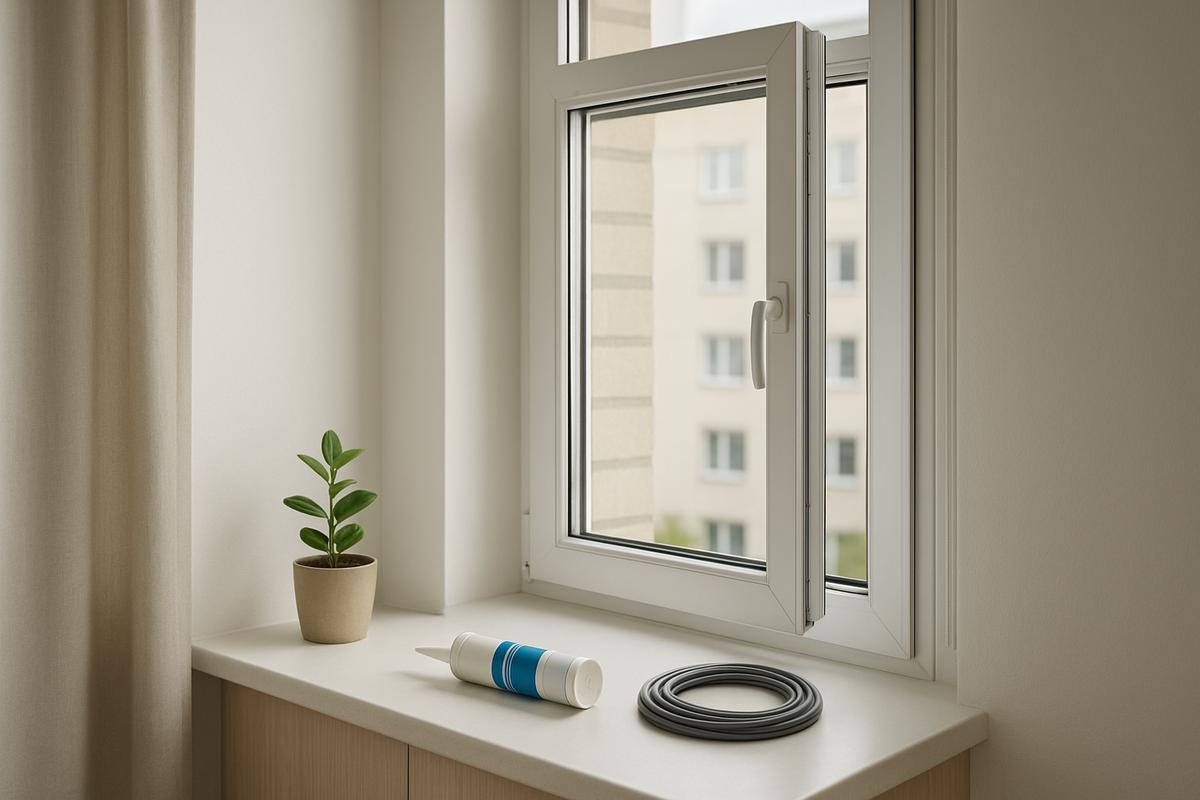
Tips for installing windows in series 103
Introduction
Installing PVC windows in series 103 buildings needs attention to typical panel house features and the condition of the window opening. This guide gives practical steps for measuring, mounting, insulating and sealing so the new window performs well, keeps heat in and avoids ventilation issues.
Work plan
- Measurements and tool preparation
- Removal of the old frame and cleaning the opening
- Aligning and anchoring the new frame
- Thermal and moisture insulation
- Installing the sill and slopes
- Hardware adjustment and final checks
Preparation and measurements
Accurate measuring is the foundation of successful installation. Measure the width and height in three points each (top, middle, bottom for width; left, center, right for height). Allow installation gaps for foam and anchors — typically 10–20 mm per side, but for series 103 where openings may be uneven, leave 15–25 mm for fitting and leveling.
Tip: order the window with allowances for external and internal finishing so the sill and slopes fit neatly.
Removing the old window and preparing the opening
- Carefully remove sashes and the old frame without damaging the wall.
- Clean the opening from old mortar, dust and debris.
- Inspect concrete and reinforcement: panel houses of series 103 can have nonstandard anchors or protrusions that should be removed.
- Check horizontals and verticals: significant deviations require leveling with foam and additional shims.
Aligning and fastening the new frame
- Place the frame on temporary supports and shims. Check levels on all planes.
- Fasten the frame with anchors or mounting plates, following recommended spacing (usually 700–900 mm).
- Keep installation gaps for foam and compensators — avoid rigidly filling the entire gap to preserve expansion clearance.
Tip: use reinforced fastenings in corner zones and above the opening if there are signs of settlement or cracks.
Thermal and moisture insulation
Correct insulation order is key to dry walls and good thermal performance:
- Exterior: vapor-permeable but water-resistant tape or outer seal to protect from precipitation while allowing micro-ventilation.
- Middle: professional PU foam to fill the gap. Apply moderately to avoid over-expansion; trim excess after curing.
- Interior: vapor barrier tape or sealant to prevent moist indoor air penetrating the foam layer.
Important: the exterior seal must be elastic and UV-resistant, the interior seal must be vapor-impermeable.
Moisture drainage and sill slope
Provide a slight exterior slope of the sill (about 5–7 degrees) for water runoff. This is crucial in panel houses where walls can draw moisture by capillarity.
Hardware adjustment and quality checks
- Check sash compression around the perimeter.
- Adjust hardware to eliminate sticking and misalignment.
- Verify ventilation modes and micro-ventilation settings.
Tools and materials
- Spirit level, plumb, tape measure
- Mounting shims and wedges
- Drill, screwdriver, drill bits
- Professional PU foam
- Vapor and water-proof tapes
- Silicone and elastic sealants
- Anchors, mounting plates
Common mistakes
- Using foam without vapor barrier leads to damp slopes
- Rigid anchoring without compensation deforms the frame
- No exterior protection lets water into the joint
- Incorrect sill slope prevents proper drainage
Frequently asked questions
Is pre-restoration of slopes necessary
Yes. If slopes have cracks, loose mortar or weak concrete, repair them before installing the new frame to ensure an even bearing surface and a tight joint.
What gap should I leave for installation
Recommended 15–25 mm around the frame for foam filling and adjustment. In cold climates, leave a bit more for additional insulation inserts.
Can the joint be fully sealed with sealant
No. Sealant is a secondary and finishing element. Primary sealing must be made with foam and a correct tape sequence for exterior and interior layers.
How long to wait before finishing slopes
Allow foam to fully cure — at least 24–48 hours, depending on temperature and humidity. Only then trim foam and apply tapes and slopes.
Should I install advanced hardware in old frames
It is better to fit new quality hardware with a new frame. This reduces the risk of leaks and simplifies later adjustments.
Conclusion
Installing windows in series 103 requires careful measurements, correct insulation layering and proper anchor selection. When in doubt hire professionals, but by following these recommendations you will secure comfort, dryness and long service life of your windows in a typical apartment of series 103.
DK-Logi blog topics and categories
Useful articles about PVC windows, blinds, and practical advice for your home.

GET A FREE WINDOW COST ESTIMATE!
Leave a request, and we will contact you to arrange a free measurement and provide a full cost estimate.
Your name
Your phone number *
Your e-mail
File
Choose file
Comment (e.g., window sizes, quantity, preferred profiles)
2025 © All rights reserved